Abuja Flooding Triggers Master Plan Review as FCT Tackles Drainage and Waste Challenges
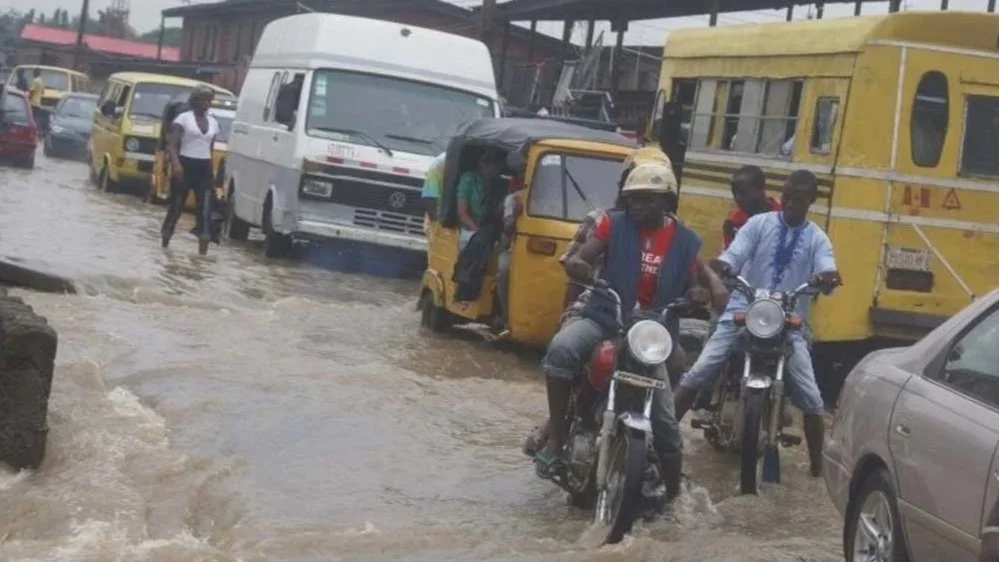
Abuja flooding renews focus on urban planning and drainage
The Federal Capital Territory Administration is reviewing the 1979 Abuja Master Plan following renewed flooding in parts of the capital, while the FCT Minister, Nyesom Wike, has blamed the activities of scavengers for damaging drainage infrastructure and worsening blockages.
/ You Might Also Like /




The latest flooding followed heavy rainfall that affected several parts of Abuja. The FCT Administration said the incident highlights the pressure that rapid urban expansion is placing on existing drainage, waste-management and planning infrastructure.
Rapid urban growth puts pressure on infrastructure
According to Lere Olayinka, Senior Special Assistant on Public Communications and Social Media to the FCT Minister, Abuja's growth has outpaced some of its existing infrastructure.
He said drainage capacity, waste management systems and enforcement of planning regulations have not expanded at the same pace as the city's population and physical development.
The FCT Administration is therefore reviewing the 1979 Abuja Master Plan to reflect current development patterns and infrastructure requirements.
The review could have significant implications for future land use, housing development, transportation infrastructure and urban expansion across the capital.
FCT blames scavengers for drainage damage
The FCT Administration also identified the activities of scavengers as one factor contributing to the flooding.
Olayinka said scavengers remove drainage covers, leaving channels exposed to refuse and other materials that can obstruct the flow of stormwater.
The administration said it is responding by introducing drainage covers designed to make them more difficult to remove.
However, the flooding challenge extends beyond drainage covers. Waste disposal, development around waterways, drainage capacity and enforcement of planning regulations all affect how effectively Abuja manages heavy rainfall.
Abuja flooding predates current administration
The FCT Administration has also rejected suggestions that the recent flooding began under the current minister.
Olayinka cited previous flooding incidents in parts of Wuse, Jabi and Lokogoma in 2019, as well as flooding recorded in Lokogoma, Efab Estate, Gudu and adjoining areas in 2022.
The administration argues that the recurring nature of flooding demonstrates a longer-standing urban infrastructure challenge rather than an issue that began with the current FCT leadership.
This distinction is important as the debate around Abuja's flooding increasingly focuses on the city's long-term planning and infrastructure capacity.
Master Plan review could reshape development
The review of the Abuja Master Plan could provide an opportunity to reassess how the capital accommodates population growth and new property development.
As Abuja expands, planning authorities face the challenge of ensuring that new residential and commercial developments have adequate access to drainage, roads, water, waste management and other essential infrastructure.
Effective planning also requires stronger enforcement of approved land-use arrangements and restrictions on development in environmentally vulnerable areas.
For developers and investors, greater clarity around land-use planning and infrastructure requirements can improve investment certainty while reducing the risks associated with poorly planned developments.
Flooding creates risks for property owners
Recurring flooding has direct implications for Abuja's property market.
Flood-prone areas can face higher maintenance costs, property damage and reduced attractiveness to prospective buyers and tenants. Persistent flooding can also affect property values where residents perceive infrastructure and environmental risks to be high.
For developers, the issue reinforces the need to assess drainage and flood-risk conditions before undertaking new projects.
It also highlights the importance of integrating stormwater management into urban development rather than treating drainage as an afterthought.
Infrastructure must keep pace with urban expansion
Abuja's experience reflects a wider challenge facing rapidly growing Nigerian cities.
Urban expansion without corresponding investment in infrastructure can increase pressure on roads, drainage systems, waste management and public utilities.
The Master Plan review therefore presents an opportunity to align future development with the infrastructure capacity required to support it.
For the housing sector, this means ensuring that new housing supply is accompanied by adequate supporting infrastructure and that planning decisions account for climate and flood risks.
Outlook
The renewed flooding has placed Abuja's urban planning framework and infrastructure capacity under scrutiny.
The FCT Administration's review of the 1979 Master Plan could provide a basis for updating development controls and infrastructure planning to reflect the capital's current population and expansion.
For Nigeria's housing and real estate sector, the outcome will be important. A more responsive planning framework, stronger drainage infrastructure and better enforcement of development regulations could reduce flood risks while supporting more sustainable growth in Abuja.
The immediate challenge will be translating the Master Plan review into enforceable planning standards and infrastructure investment capable of keeping pace with the city's continued expansion.
READ MORE