Jigawa Approves ₦3.4bn for Education, Drainage and Classroom Infrastructure
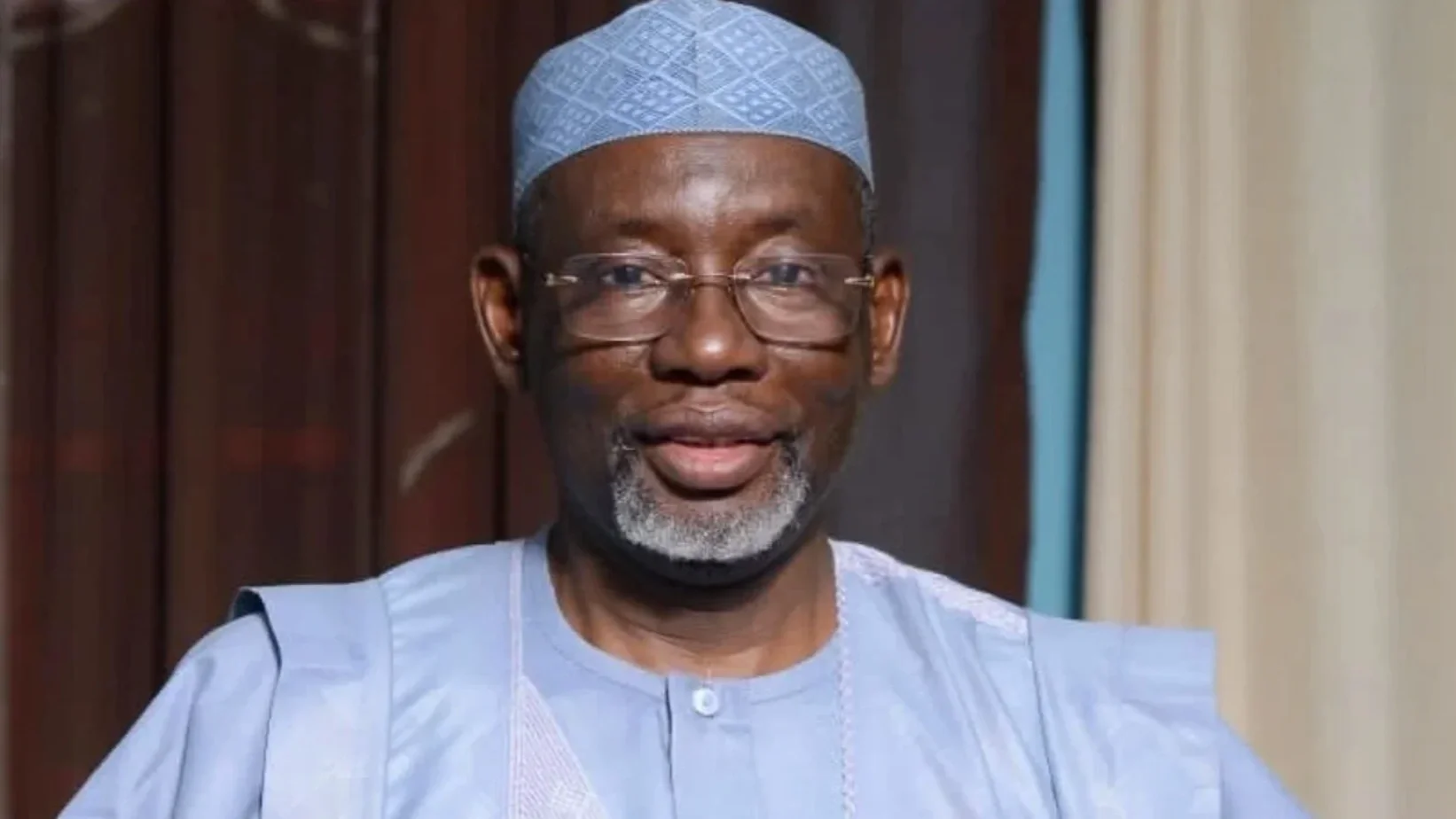
Jigawa approves new education and infrastructure projects
The Jigawa State Government has approved ₦3.4 billion for education, drainage and other infrastructure projects across the state, including ₦1.09 billion for road drainage and culvert works and ₦405 million for the renovation of dilapidated classroom blocks.
/ You Might Also Like /




The approvals were announced by the state Commissioner for Information, Youth, Sports and Culture, Sagir Musa, following a meeting of the Jigawa State Executive Council in Dutse. The spending also includes ₦892 million to support 193 Jigawa indigenes studying medical and applied medical sciences at Near East University in Cyprus and ₦1.05 billion for external examination fees.
₦1.09bn approved for drainage and culverts
The state approved ₦1.09 billion for the construction of drainage infrastructure and culverts along the Sansani–Ganau–Samai Road and Limintani–Kagadama Road in Miga and Babura Local Government Areas.
The Miga component received ₦347 million and has a 16-week completion period, while ₦749 million was approved for the Babura project. The works are intended to improve rainwater evacuation, reduce flooding and protect roads and surrounding properties.
The investment is particularly relevant to communities where inadequate drainage can damage roads, disrupt movement and expose residential properties to flooding during periods of heavy rainfall.
₦405m allocated for classroom renovation
The council also approved ₦405 million for the renovation of dilapidated classroom blocks across Jigawa under the state's 2026 Capital Development Programme.
The intervention is aimed at improving deteriorating school facilities and creating better learning environments for pupils and students.
For communities, the rehabilitation of existing educational infrastructure can improve access to functional public facilities without requiring the state to rely solely on new construction.
Government approves ₦1.05bn for examination fees
Another major component of the approval is ₦1.05 billion for registration fees for 40,210 candidates sitting the 2026 external examinations.
The beneficiaries include 32,663 candidates for the National Examinations Council (NECO), 685 candidates for the National Business and Technical Examinations Board (NABTEB), and 6,862 candidates for the National Board for Arabic and Islamic Studies (NBAIS).
The government said the intervention would prevent eligible candidates from missing the examinations because of unpaid registration fees.
₦892m education support for medical students
The state also approved ₦892 million for 193 Jigawa indigenes studying medical and applied medical sciences at Near East University in Cyprus.
According to the state government, the allocation covers tuition, administrative charges, accommodation, living allowances, resident permits, health insurance and VAT for the 2026/2027 academic session.
The government said 99 of the students had completed their 500-level courses and had been cleared for internship, while another 55 were expected to complete their outstanding courses before beginning their internships.
Infrastructure spending could support property resilience
The drainage and culvert projects have a direct infrastructure and property-development relevance because effective stormwater management can reduce the exposure of roads, buildings and surrounding communities to flooding.
For the housing sector, drainage remains a critical component of sustainable development, particularly as new residential areas expand into locations previously less exposed to intensive urban activity.
Infrastructure such as drainage, roads and culverts can also improve the long-term viability of settlements by reducing disruption and protecting public and private assets.
Human capital investment complements infrastructure
The combination of education spending and physical infrastructure reflects a broader development approach in which the state is investing in both public facilities and human capital.
The government said its sponsorship of students, particularly those studying medicine and applied medical sciences, represents an investment in skilled manpower that can contribute to the state's future development.
Jigawa's latest approval follows previous spending on scholarships. Nairametrics reported that the state government spent ₦8.1 billion on scholarships during the 2025 fiscal year, supporting nearly 35,000 students in Nigeria and abroad.
Outlook
Jigawa's ₦3.4 billion approval combines education support with infrastructure interventions targeting drainage, roads and classroom facilities.
For the state's wider development, the effectiveness of the spending will depend on timely project execution and the ability of completed infrastructure to meet the needs of growing communities.
The drainage projects will be particularly important for protecting roads and properties from flooding, while classroom rehabilitation and education funding could strengthen the human-capital base required to support Jigawa's longer-term economic and infrastructure development.
READ MORE