Lagos State projects annual electricity consumption of 22.8TWh and peak demand of 4,000MW by 2030.
Lagos State expects annual electricity consumption to reach 22.8 terawatt-hours (TWh) by 2030, with peak demand projected at 4,000 megawatts (MW), as population growth and expanding economic activity increase the energy requirements of Nigeria's commercial centre.
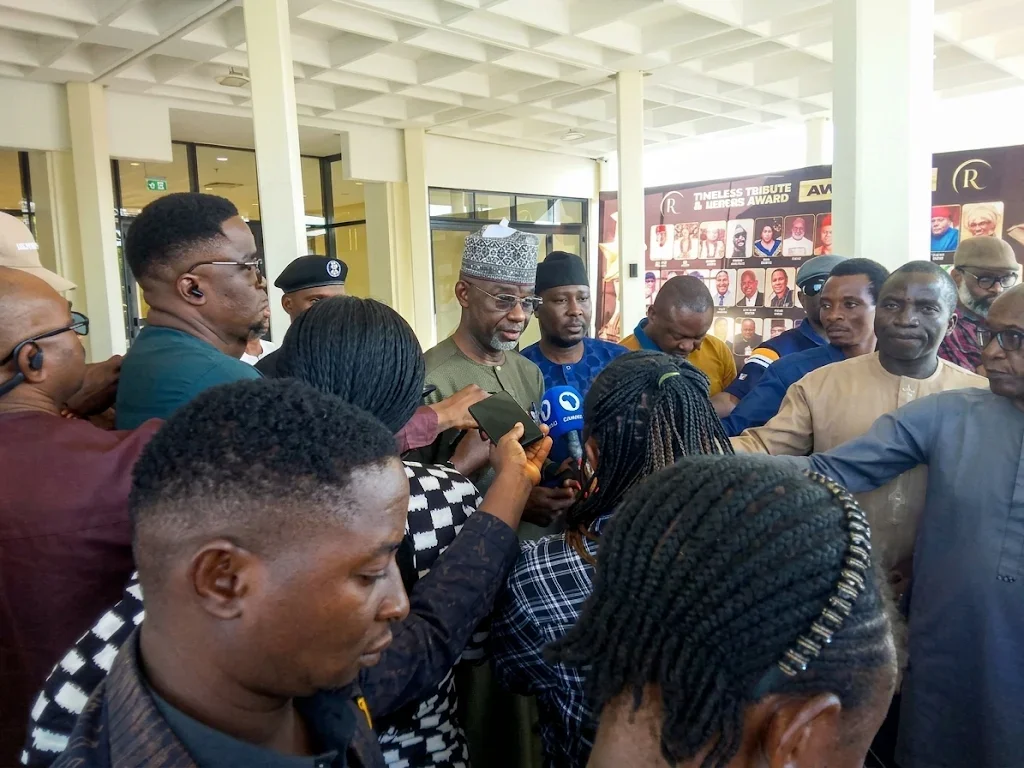
The projections, presented by the Permanent Secretary of the Lagos State Ministry of Energy and Mineral Resources, Ibilola Kasunmu, at the Lagos Energy Summit 2026, form part of the state's medium-term energy outlook covering 2028 to 2030.
/ You Might Also Like /




The forecast identifies the scale of electricity that Lagos may need to support its expanding population, manufacturing activities, transport systems and urban infrastructure over the next four years.
Population Growth to Increase Pressure on Urban Infrastructure
Lagos' population is projected to reach approximately 24 million by 2030, according to the presentation. Its economy is also expected to expand to ₦106.3 trillion by 2028.
The combination of population and economic growth is expected to increase electricity requirements across residential neighbourhoods, commercial districts and industrial locations.
Manufacturing, port operations, financial services, digital businesses, transportation, healthcare and water infrastructure were identified as major sources of future electricity demand.
These activities require dependable power not only for daily operations but also for expansion. As businesses increase production and urban areas accommodate more residents, electricity consumption is likely to become a more important consideration in decisions about where to locate new developments.
For the property market, this creates a direct connection between energy planning and the capacity of residential and commercial districts to accommodate further growth.
Long-Term Forecast Points to Even Greater Energy Requirements
The state's presentation also outlined a longer-term electricity outlook extending beyond 2030.
Between 2040 and 2052, annual electricity consumption could reach 39.4TWh, while peak demand is projected to rise to 6.9 gigawatts (GW). Lagos also has a longer-term ambition of approximately 100TWh in annual electricity consumption.
The projections reflect the anticipated expansion of the state's population and economic activity over the coming decades.
Lagos' population could exceed 32 million by 2052, while its economy is projected to reach $520 billion, according to the presentation.
These longer-term estimates point to the need for electricity planning that considers future urban expansion rather than responding only to existing consumption patterns.
Electricity Demand Becomes a Factor in Property and Industrial Location Decisions
The projected increase in electricity consumption has implications for how Lagos accommodates new homes, commercial buildings and industrial developments.
For residential developers, access to dependable electricity affects the cost of operating estates, maintaining shared facilities and providing essential services to residents. Where public electricity supply remains unreliable, developers and property managers may have to provide alternative power arrangements, adding to capital and recurring operating expenses.
Commercial property operators face similar considerations. Office buildings, shopping centres, hotels, hospitals and data-intensive businesses depend on electricity to maintain services and equipment. Industrial facilities also require sufficient and reliable power to sustain production.
Consequently, electricity availability can influence the attractiveness of different locations to property investors and occupiers. Areas with stronger energy infrastructure may have an advantage when competing for businesses that require dependable power.
The forecast therefore places energy capacity among the infrastructure considerations that will shape Lagos' future urban and property development.
Infrastructure Planning Must Keep Pace with Economic Expansion
The demand projections also raise questions about whether the state's electricity infrastructure can accommodate the anticipated growth.
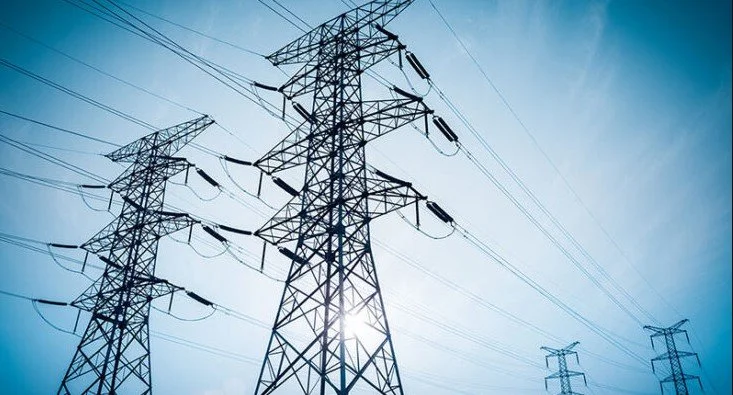
The presentation identified generation capacity, transmission infrastructure, distribution networks, gas availability and electricity-market liquidity as important constraints affecting the sector.
It also highlighted the importance of strengthening the 132kV transmission backbone, improving distribution feeders, expanding metering and adopting better systems for monitoring electricity delivery.
One important distinction in the presentation is that Lagos currently receives less than 1,000MW from the national grid, against estimated electricity demand exceeding 6,000MW. The separate 4,000MW figure represents the state's projected 2030 peak demand in its medium-term outlook. The presentation does not fully explain the difference between these demand estimates, so they should not be treated as directly comparable measurements.
The state's longer-term energy outlook will depend on whether infrastructure planning, investment and electricity-market reforms can keep pace with changing consumption requirements.
For property developers and investors, the central issue is not simply how much electricity Lagos expects to consume by 2030, but whether the infrastructure serving individual districts can support the additional homes, businesses and industrial facilities expected to emerge.
The 22.8TWh forecast provides an indication of the scale of future demand. Its significance will ultimately depend on how effectively the state translates those projections into infrastructure capable of supporting Lagos' continued urban and economic expansion
READ MORE