Abuja will host the maiden General Assembly of the African Asset Recovery Practitioners
Representatives from 54 African countries are expected to participate in the maiden General Assembly of the African Asset Recovery Practitioners’ Forum (AARP-F), scheduled to take place in Abuja from November 17 to 20, 2026, as governments seek stronger cooperation to recover assets lost to corruption and illicit financial activities.
/ You Might Also Like /




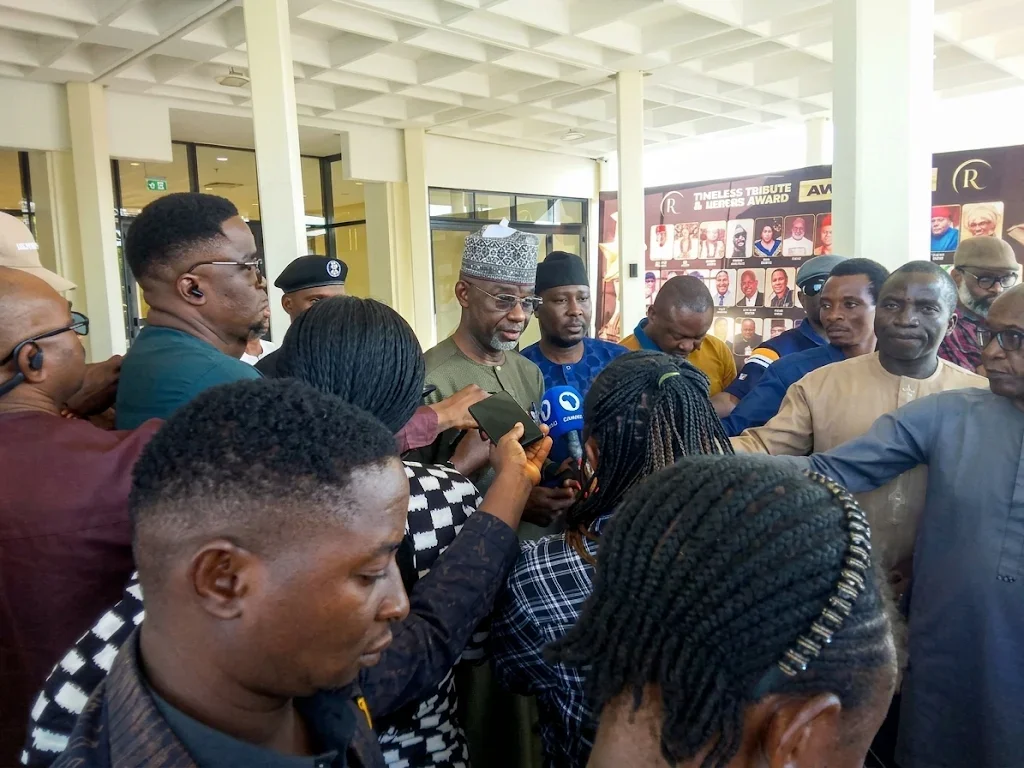
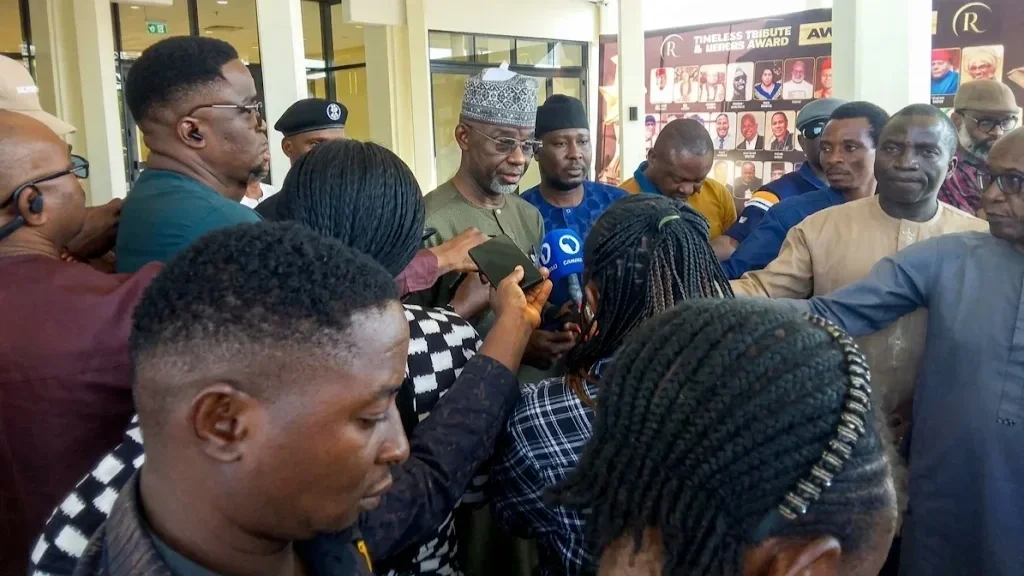
The Chairman of the Local Organising Committee, Prince Hassan Mohamed, disclosed the plans at a pre-conference media briefing in Abuja. Mohamed, who is also the Director of Special Services at the Independent Corrupt Practices and Other Related Offences Commission (ICPC), said the gathering would bring together anti-corruption agencies, asset recovery practitioners, financial intelligence institutions and international development partners.
The assembly will focus on improving collaboration among African countries to trace, freeze, confiscate and recover proceeds of crime, particularly assets transferred across national borders.
Forum to Strengthen Cross-Border Asset Recovery
The four-day meeting will provide a platform for participating countries to share experiences, review existing recovery mechanisms and develop common strategies for tackling illicit financial flows.
Mohamed said no single country could effectively address transnational financial crimes without cooperation from other jurisdictions. He called for stronger partnerships, better information exchange and more coordinated enforcement among African institutions.
The forum was established in Nairobi, Kenya, in April 2025, to strengthen cooperation among practitioners and advance the implementation of the Common African Position on Asset Recovery (CAPAR).
Its work is anchored on the need to ensure that African governments can more effectively identify, trace and recover public assets taken out of their countries through corruption and other financial crimes.
Assembly to Focus on Turning Policy Commitments into Action
The meeting will operate under the theme, “From Commitment to Action – Enhancing Africa’s Asset Recovery Architecture through Effective Implementation of the Common African Position on Asset Recovery”.
Participants are expected to review progress in implementing the continental framework, examine challenges facing asset recovery institutions and consider governance instruments and strategic action plans.
Mohamed said the objective was to move beyond policy declarations and establish practical measures that participating countries could implement at national and regional levels.
The African Union adopted CAPAR in February 2020 as a framework for strengthening efforts to recover assets acquired through corruption and other illicit activities. The framework also recognises the importance of ensuring that recovered assets benefit the citizens and communities from which public resources were taken.
Nigeria Seeks Greater Accountability in the Use of Recovered Assets
Hosting the assembly gives Nigeria an opportunity to contribute to continental discussions on asset recovery and demonstrate its approach to managing recovered public resources.
Mohamed said recovered assets could help governments improve public service delivery, strengthen institutions and rebuild public confidence when authorities manage them transparently.
He also stressed that recovering stolen assets was only part of the process. Governments must ensure that recovered resources are properly accounted for and used in ways that benefit citizens.
The organising committee said the assembly would include engagements with relevant institutions and visits to selected locations to show delegates how recovered assets are being used in Nigeria.
However, Mohamed did not provide figures on the number or value of assets Nigeria had recovered that could be presented at the assembly.
Recovered Public Assets Could Support Development Priorities
The recovery of stolen public funds has implications beyond anti-corruption enforcement. When governments successfully recover and transparently manage public assets, the resources can potentially support infrastructure, healthcare, education, housing and other development priorities.
For countries facing significant infrastructure and financing gaps, effective asset recovery could provide an additional source of public resources. However, the recovery of an asset does not automatically translate into funds available for government spending. Legal proceedings, ownership disputes, repatriation arrangements and the management of recovered property can affect when and how governments use those assets.
The Abuja assembly is therefore expected to address not only the recovery process but also the institutional arrangements needed to ensure accountability after assets have been returned.
The outcome will depend on whether participating countries translate the proposed strategies and commitments into stronger national enforcement systems and sustained cross-border cooperation.
READ MORE