Nigerians Can Apply for Up to ₦50m Home Loans as FG Opens Mortgage Portal
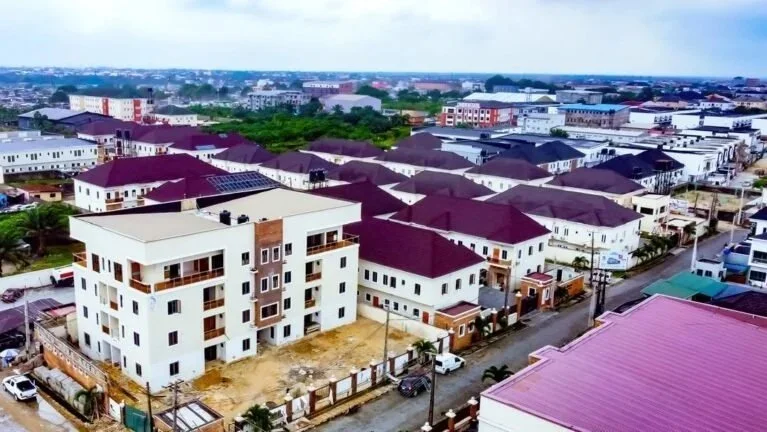
FG opens portal for up to ₦50m home loans
The Federal Government has opened an application portal for Nigerians seeking access to home loans of up to ₦50 million, providing another financing channel for prospective homeowners amid persistent affordability challenges in the housing market.
/ You Might Also Like /




The initiative is linked to the Federal Government’s broader effort to expand access to mortgage finance and reduce the financing barrier to homeownership. The development comes as housing costs and mortgage affordability remain major constraints for households seeking to buy or build homes in Nigeria.
FG expands access to mortgage financing
The opening of the portal gives eligible Nigerians a digital channel through which they can begin the process of applying for housing finance.
The ₦50 million ceiling is significant because it places the facility within the range required to finance the purchase or construction of homes in several Nigerian markets, although the actual amount available to each applicant will depend on eligibility and the value of the property.
The initiative reflects the growing emphasis on mortgage-backed housing finance as a means of addressing Nigeria’s housing affordability challenge.
Mortgage affordability remains a major barrier
Access to finance remains one of the biggest obstacles facing prospective homeowners in Nigeria.
High property prices, rising construction costs and limited availability of long-term mortgages have made outright home purchases increasingly difficult for many households.
Mortgage financing can spread the cost of homeownership over a longer period, allowing households to acquire properties without meeting the entire purchase price upfront.
However, the effectiveness of any mortgage programme will depend not only on the maximum loan amount but also on interest rates, repayment periods, equity requirements, property eligibility and household income thresholds.
₦50m ceiling could support housing demand
A maximum loan amount of ₦50 million could improve access to financing for households targeting modest and mid-market properties, particularly outside Nigeria's most expensive property markets.
For developers, greater mortgage availability could also strengthen effective demand for completed housing units.
This is important because limited purchasing power can leave developers with completed properties that take longer to sell. A functioning mortgage market can connect developers with qualified buyers and improve the flow of capital through the housing supply chain.
Financing must reach underserved households
The expansion of mortgage access will have the greatest housing-market impact if it reaches households that are currently excluded from conventional mortgage products.
Many low- and middle-income earners struggle to meet conventional lending requirements because of irregular income, insufficient equity contributions, limited formal credit histories or difficulties providing acceptable property documentation.
The design and administration of the new portal will therefore be important in determining how inclusive the programme becomes.
Housing finance needs long-term capital
The initiative comes as Nigeria continues to develop institutional sources of long-term housing finance.
The MOFI Real Estate Investment Fund (MREIF), for example, has been expanding its mortgage portfolio and was recently reported to have recorded an 86% increase in mortgage exposure during the first half of 2026. This reflects the wider policy push to mobilise institutional capital into housing finance.
The development of more sustainable mortgage funding channels could help reduce the dependence of housing finance on short-term and relatively expensive bank funding.
Implications for developers and the property market
Improved access to mortgage finance could have implications across the housing value chain.
For homebuyers, longer-term financing can make property acquisition more manageable by spreading repayments over several years.
For developers, mortgage availability can increase the pool of financially qualified buyers and improve the prospects of selling completed units.
For lenders and investors, a deeper mortgage market could create opportunities for mortgage-backed investment products and other forms of housing finance.
However, these benefits depend on the ability of the programme to generate actual mortgage disbursements rather than simply applications.
Property documentation remains critical
The expansion of mortgage finance also highlights the importance of efficient land administration and property documentation.
Mortgage lenders require clear and enforceable security before committing long-term capital. Delays in obtaining titles, registering transactions or perfecting property documentation can therefore restrict the flow of mortgage credit.
Strengthening land administration alongside mortgage programmes would make it easier for lenders to assess properties and for borrowers to use them as security.
Outlook
The opening of the Federal Government's mortgage application portal provides another opportunity to expand access to housing finance in Nigeria.
The ₦50 million ceiling could support prospective homeowners seeking to purchase or construct properties, while increased mortgage availability could also strengthen demand for housing delivered by developers.
The key test, however, will be implementation. The programme's impact will ultimately depend on how quickly eligible applicants can access funding, the affordability of repayment terms and whether the facility reaches households that have traditionally struggled to obtain mortgage finance.
If these conditions are met, wider mortgage access could support homeownership, improve housing-market liquidity and strengthen the connection between housing finance and new residential development.
READ MORE