Taraba Government Dismisses N1.2tn Debt Claim, Says Actual Debt Is N85.51bn
Taraba Government clarifies debt position
The Taraba State Government has rejected claims that it accumulated N1.2 trillion in debt over the past three years, describing the figure as inaccurate and misleading.
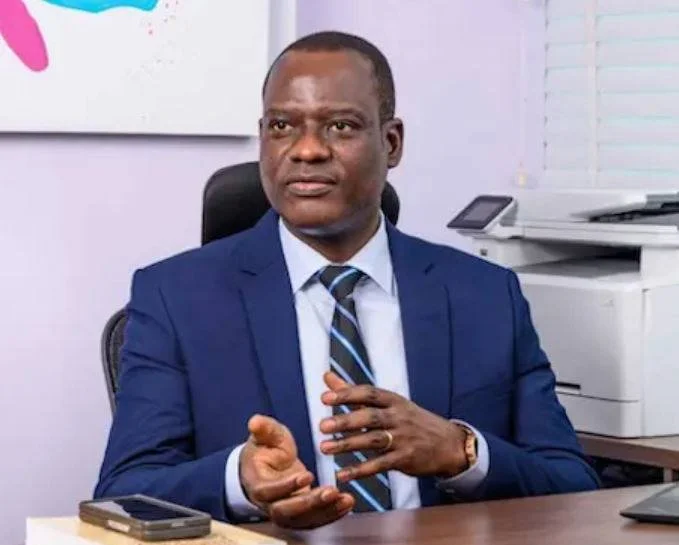
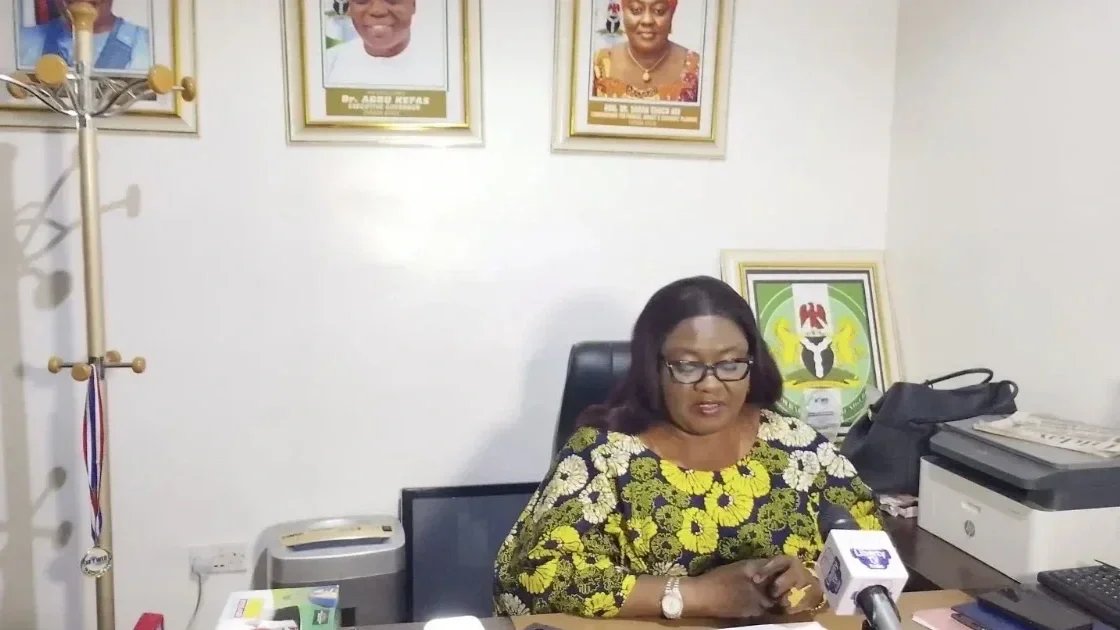
Commissioner for Finance Sarah Adi said the latest available Debt Management Office (DMO) data showed that Taraba’s domestic debt stood at N85.51 billion as of December 31, 2025. She made the clarification while addressing journalists in Jalingo, according to the News Agency of Nigeria (NAN).
/ You Might Also Like /




Taraba domestic debt falls to N85.51bn
Adi said Taraba’s domestic debt had actually declined by about N2.45 billion from the N87.96 billion recorded in DMO data available before Governor Agbu Kefas assumed office.
She also clarified that the DMO publication released in March 2023 reflected the state’s debt position as of September 30, 2022, rather than its position at the time the publication was issued.
On external debt, the commissioner said Taraba’s obligations increased from approximately $46.47 million as of December 31, 2022, to about $48 million by December 31, 2025.
She described the increase as relatively modest but acknowledged that exchange-rate movements could affect the naira value of the state’s external obligations.
Government clarifies N206.78bn bank facility
The state government also addressed a N206.78 billion commercial bank financing facility approved by the Taraba State House of Assembly in 2023.
The facilities involved Zenith Bank, United Bank for Africa, Fidelity Bank and Keystone Bank and were backed by designated revenue streams.
Adi stressed that the original approved value of a credit facility should not automatically be treated as the current outstanding debt.
According to the commissioner, the actual liability depends on the amount drawn, repayments already made, any restructuring and the current outstanding balances on the facilities.
The distinction is important because approved borrowing limits and actual debt obligations represent different stages of a financing arrangement.
N350bn capital-market programme not yet received
The commissioner also rejected claims that Taraba had already received N350 billion through a proposed capital-market financing programme.
She said the programme remains subject to regulatory, statutory, market and disclosure requirements and is structured to raise funds in stages.
An initial tranche of about N35 billion was under consideration, meaning the full N350 billion programme size should not be treated as money already received or as an existing drawn liability.
$268m EBID facilities remain subject to conditions
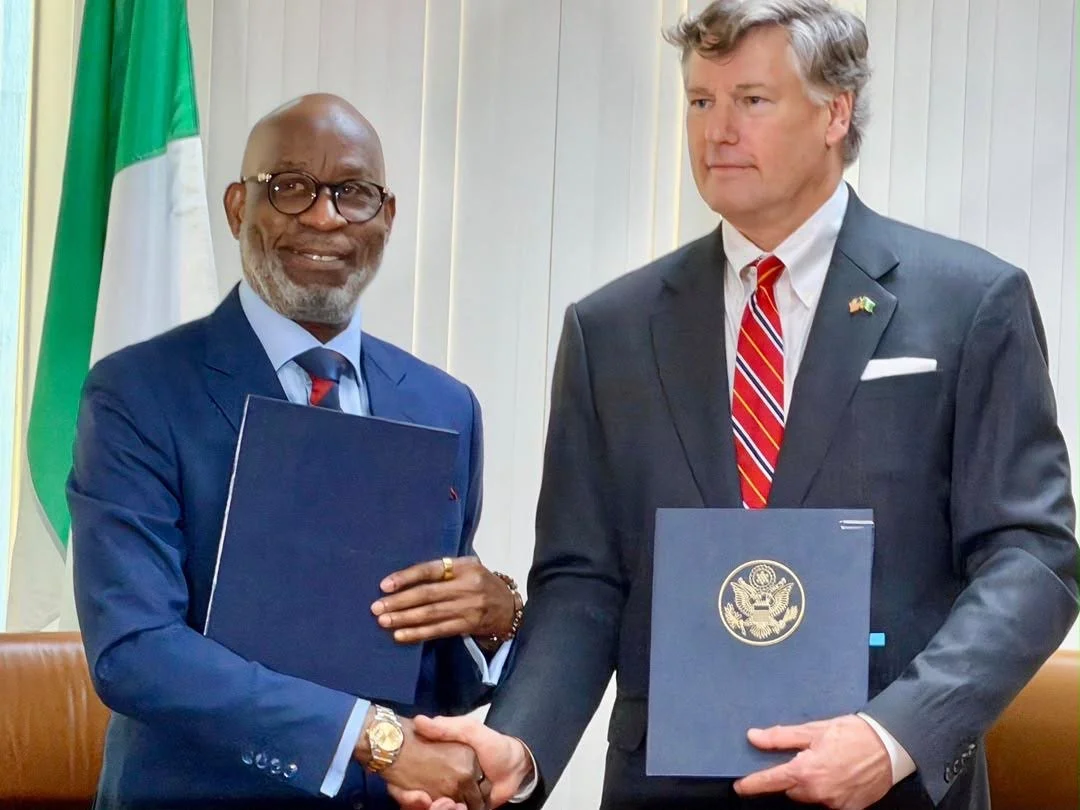
Taraba also clarified the status of three financing agreements worth about $268 million signed with the ECOWAS Bank for Investment and Development (EBID) on June 26, 2026.
The facilities are intended to finance an integrated industrial park, irrigated rice production and processing, and a 50-megawatt solar power project.
However, the government said the signing of the agreements did not mean that the funds had already been disbursed. The facilities remain subject to conditions precedent, regulatory procedures and statutory approvals before drawdown.
Government distinguishes debt from approved financing
The Taraba government said four separate categories should be considered when assessing the state’s financial position: existing debt stock, approved facilities, outstanding balances, and proposed or undisbursed financing.
It warned that simply adding the headline figures attached to each category would create a misleading picture of the state’s actual debt burden.
The clarification comes amid broader scrutiny of state borrowing as Nigerian governments seek additional financing for infrastructure, economic development and public services.
Borrowing linked to development projects
The government said the Kefas administration’s borrowing policy is guided by development needs, repayment capacity, transparency and accountability.
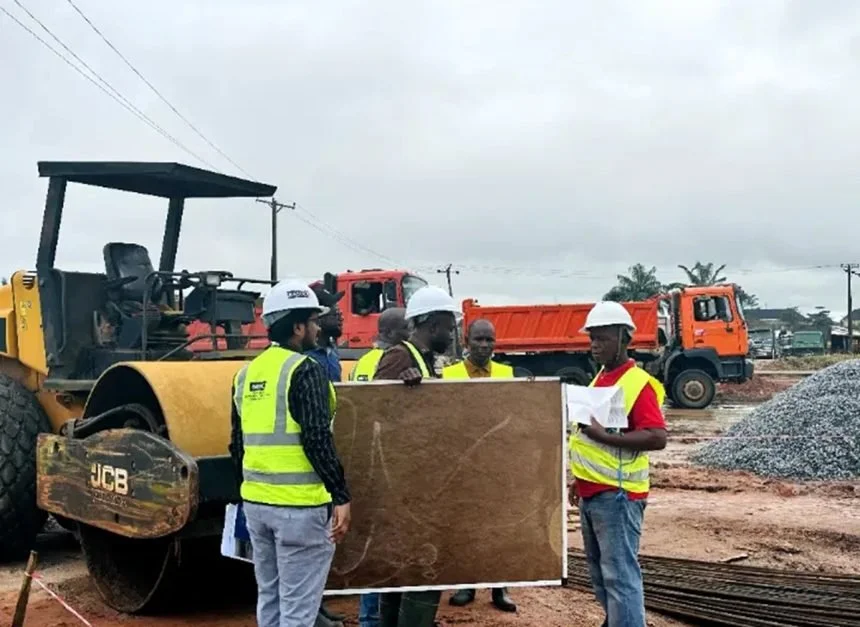
The $268 million EBID facilities, for example, are linked to projects involving industrial development, agriculture and renewable energy. If implemented as planned, such projects could have implications for industrial land demand, logistics, employment and supporting infrastructure in Taraba.
For the property and construction sectors, the distinction between approved financing and actual drawdown is also significant. Financing commitments do not necessarily translate into immediate construction activity until funds become available and projects move into implementation.
Debt scrutiny remains important for investors
The dispute highlights the importance of distinguishing between a government’s headline financing commitments and its actual outstanding obligations.
For investors and financial institutions, the key indicators include current debt stock, actual disbursements, repayment schedules, interest costs, revenue available for debt servicing and the economic returns expected from financed projects.
Transparent reporting of these figures is particularly important when states use future revenues or dedicated revenue streams to support borrowing arrangements.
Outlook
Taraba State has rejected the N1.2 trillion debt claim, maintaining that official DMO data put its domestic debt at N85.51 billion as of December 31, 2025.
The government’s clarification also shows that approved bank facilities, proposed capital-market financing and undisbursed development loans should not automatically be counted as existing debt.
For policymakers and investors, the key issue will be how Taraba manages its confirmed liabilities and converts development financing into productive projects while maintaining sufficient capacity to meet future repayment obligations.
READ MORE