NECA Warns Lagos Industrial Shutdown Puts Jobs and Billions in Investment at Risk
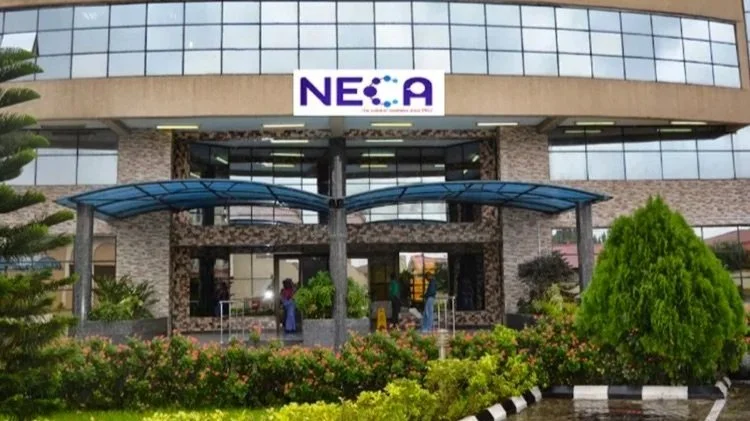
NECA Warns of Risks to Jobs and Manufacturing
The Nigeria Employers’ Consultative Association (NECA) has called for urgent intervention over the continued shutdown of manufacturing and commercial facilities in Lagos’ Dopemu industrial corridor, warning that prolonged closures could threaten thousands of jobs, billions of naira in investment and Nigeria’s industrial recovery.
/ You Might Also Like /




The shutdown followed the enforcement of a Lagos State High Court warrant of possession by the Sheriff’s Department on July 30, 2026, in connection with a longstanding land dispute affecting businesses operating within the industrial corridor.
NECA seeks government intervention
NECA urged the Federal Government and Lagos State Government to urgently bring the parties involved in the dispute together to explore a lawful interim arrangement that would allow legitimate businesses to continue operating while the legal process proceeds.
The employers’ association said it respects the independence of the judiciary and the rule of law but argued that the economic consequences of prolonged factory closures require immediate attention.
NECA Director-General Adewale-Smatt Oyerinde said the association was not seeking to interfere with the court proceedings but wanted government to protect jobs and productive investments from prolonged disruption.
The association specifically called on the Nigerian Investment Promotion Commission and the Federal Ministry of Industry, Trade and Investment, alongside the Lagos State Government, to facilitate discussions among the affected stakeholders.
Industrial corridor linked to wider manufacturing activity
According to NECA, the affected Dopemu corridor forms part of the Lagos-Ogun industrial axis, which the association says accounts for more than 50% of Nigeria’s industrial output.
The employers’ body warned that the effects of the shutdown extend beyond individual factories. Workers, suppliers, transport operators, consumers and government revenue could all face consequences if businesses remain unable to operate.
NECA said every additional day of closure could result in lost production, reduced worker incomes, disrupted supply chains and lower government revenue.
Manufacturers already face high operating costs
The industrial shutdown comes at a challenging period for manufacturers operating in Nigeria.
NECA said businesses are already dealing with high energy costs, foreign exchange volatility, elevated borrowing costs and weak consumer demand.
Additional operational disruption could therefore further increase the financial pressure on companies and make it more difficult for affected businesses to maintain production, retain workers and meet supply commitments.
The association warned that prolonged factory closures could undermine efforts to strengthen local manufacturing, reduce import dependence, attract investment and create sustainable employment.
Land disputes create wider economic risks
The Dopemu situation also highlights the economic consequences that can arise when disputes over land and property rights affect established industrial operations.
Industrial facilities require substantial capital investment in buildings, machinery, utilities and supporting infrastructure. When access to such facilities becomes disrupted, companies can face losses that extend beyond the underlying property dispute.
For investors, certainty around land ownership, tenure and the enforcement of property rights remains an important consideration when assessing industrial and commercial projects.
The situation also demonstrates the need for efficient mechanisms that can resolve property disputes while limiting unnecessary disruption to productive economic activity, subject to the authority of the courts.
Potential implications for Lagos property market
The shutdown has implications for Lagos’ broader industrial and commercial property market.
Industrial corridors attract manufacturers, logistics companies, warehouses, workers and supporting businesses. Disruption within established locations can affect demand for industrial property and influence investment decisions about where new facilities should be developed.
For developers and investors, the incident reinforces the importance of conducting thorough title and land due diligence before committing capital to industrial property.
A stable property-rights environment can also improve investor confidence and support long-term development of industrial clusters.
NECA warns of impact on investor confidence
NECA said prolonged operational disruption could weaken investor confidence at a time when Nigeria is seeking to attract fresh domestic and foreign investment.
The association argued that investors need confidence that legitimate businesses can operate without avoidable economic dislocation while disputes are being resolved through established legal channels.
Oyerinde described the issue as one that extends beyond individual companies because of its potential effect on productive capacity, employment and the wider investment environment.
Government faces balancing role
The dispute places government in a difficult position between protecting the authority of the courts and limiting the wider economic consequences of business closures.
NECA's position is that both objectives can be pursued through a lawful interim arrangement that protects productive activities without undermining judicial proceedings.
The association urged the Federal and Lagos State governments to work with all relevant stakeholders to find a solution that protects jobs, manufacturing activity and investor confidence while respecting due process.
Outlook
The continued shutdown of businesses in Lagos’ Dopemu industrial corridor has raised concerns about the wider economic cost of prolonged property-related disputes.
For Nigeria’s industrial and property sectors, the immediate priority is finding a lawful resolution that allows productive activity to resume where possible. The longer-term lesson for investors and policymakers is the importance of secure property rights, efficient dispute resolution and a predictable operating environment for industrial development.
READ MORE