Rising Rent and Agency Charges Deepen Nigeria's Housing Affordability Crisis
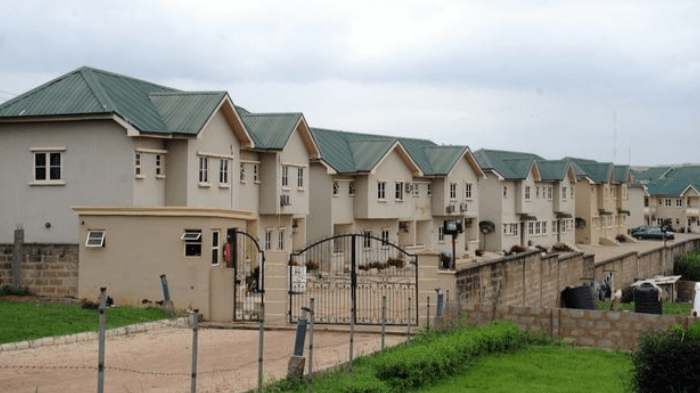
Calls Grow for Regulation of Rent and Agency Fees in Nigeria
Growing concerns over rising house rents and agency fees have renewed calls for reforms in Nigeria's housing sector, as tenants continue to face increasing financial pressure in securing accommodation. Housing stakeholders argue that escalating rental costs, combined with multiple charges imposed by agents and property managers, have worsened affordability challenges across major urban centres.
/ You Might Also Like /




The issue has become particularly pronounced in cities such as Lagos, Abuja, Port Harcourt, and other rapidly growing urban areas where demand for housing continues to outpace supply. Many prospective tenants report facing substantial upfront costs that extend beyond annual rent payments to include agency fees, legal charges, caution fees, and other administrative costs.
Housing Deficit Continues to Drive Rental Pressure
Experts attribute much of the pressure in the rental market to Nigeria's persistent housing deficit. Rapid urbanisation, population growth, and inadequate housing supply have intensified competition for available residential units, giving landlords and agents greater leverage in determining rental terms.
Industry observers note that the shortage of affordable housing remains one of the most significant challenges confronting the sector. As demand continues to exceed supply, rental prices have risen steadily, placing additional strain on household incomes already affected by broader economic pressures.
Concerns Over Agency and Ancillary Charges
Beyond rent increases, stakeholders have raised concerns about the growing number of fees imposed during rental transactions. Prospective tenants often face agency commissions, agreement fees, inspection charges, and other costs that significantly increase the total amount required to secure accommodation.
Consumer advocates argue that some of these charges lack transparency and contribute to barriers to housing access, particularly for low- and middle-income households. Calls have intensified for clearer regulations and improved oversight of property brokerage practices to ensure fairness and accountability within the rental market.
Implications for Housing Affordability
Rising rental costs have become a major affordability issue for many Nigerians, especially in urban centres where accommodation expenses account for a significant portion of household income. Housing experts warn that sustained increases in rents and associated charges could further widen the gap between housing demand and affordability.
The situation has also renewed discussions around the need for greater investment in affordable housing projects, rental housing schemes, and policies that encourage increased housing supply.
Stakeholders Call for Policy Intervention
Housing professionals and advocacy groups have urged policymakers to strengthen tenant protection measures while addressing structural issues affecting housing delivery. Recommendations include expanding affordable housing programmes, improving access to housing finance, enhancing regulation of estate agency practices, and encouraging private sector investment in residential development.
Many stakeholders argue that addressing affordability challenges requires a combination of supply-side interventions and regulatory reforms that create a more transparent and efficient rental market.
Why the Story Matters for NHM Readers
For policymakers, developers, investors, and housing professionals, the debate surrounding rent and agency charges highlights broader issues within Nigeria's housing ecosystem. Affordability remains central to efforts aimed at reducing the housing deficit, improving living standards, and supporting sustainable urban development.
The discussion also underscores the need for coordinated action across government, the private sector, and industry regulators to create a housing market that balances investor returns with accessibility for residents.
Conclusion
The growing concern over rising rents and agency charges reflects deeper challenges within Nigeria's housing market. As urban populations expand and housing demand continues to rise, stakeholders are calling for reforms that improve affordability, increase transparency, and expand housing supply. The outcome of these discussions could shape the future of rental housing and housing accessibility across the country.
READ MORE