Experts Call for Scalable Solutions to Meet Nigeria's Rising Housing Demand
Industry Leaders Call for Scalable Housing Delivery Across Nigeria
Nigeria's growing housing deficit requires scalable, technology-driven and financially sustainable housing delivery models, according to real estate experts who say conventional development approaches are no longer sufficient to meet the country's rapidly increasing housing demand. The call comes amid widening affordability challenges, rising construction costs and accelerating urbanisation, which continue to place pressure on the nation's housing market.
/ You Might Also Like /




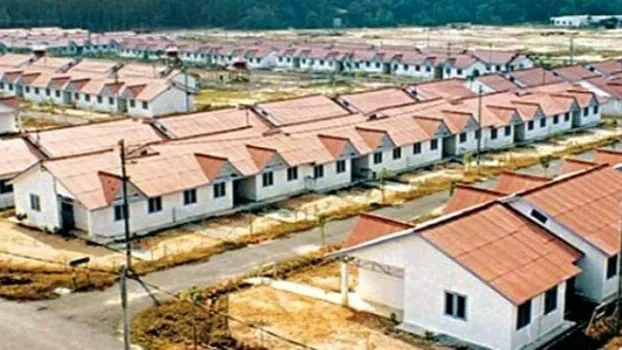
Industry stakeholders argue that addressing Nigeria's housing shortage will require a shift from isolated estate developments to integrated housing systems capable of delivering large volumes of affordable homes efficiently. They maintain that collaboration between government, developers, financial institutions and technology providers is essential to closing the housing gap while improving access to quality housing for low- and middle-income households.
Housing Delivery Must Move Beyond Traditional Models
Speaking on the country's housing challenges, industry experts noted that Nigeria's current pace of housing delivery is insufficient to keep up with population growth and increasing urban migration.
They stressed that developers must adopt scalable construction methods capable of reducing project timelines, lowering development costs and improving efficiency. This includes embracing modern building technologies, industrialised construction techniques and digital project management systems to increase housing output without compromising quality.
According to the stakeholders, expanding housing supply through scalable models would help ease affordability pressures while supporting broader economic development.
Affordable Housing Requires Stronger Public-Private Collaboration
Experts also highlighted the importance of stronger partnerships between government and the private sector to unlock large-scale housing investment.
They observed that while private developers possess the expertise and capital to deliver housing projects, government support remains critical in areas such as land administration, infrastructure provision, planning approvals and housing finance.
A coordinated policy framework, they argued, would create an enabling environment for developers while improving access to affordable homes for Nigerians across different income groups.
Innovation and Housing Finance Key to Scaling Supply
Stakeholders identified housing finance as one of the biggest constraints to expanding residential development.
They called for wider access to affordable mortgage products, innovative financing mechanisms and increased investment in long-term housing finance institutions. Improving access to finance, they said, would stimulate both housing demand and private sector investment in residential construction.
Experts also encouraged developers to leverage technology, data-driven planning and alternative construction methods to improve productivity and reduce overall development costs.
Building Sustainable Housing Systems
Industry leaders maintained that sustainable housing delivery extends beyond constructing residential estates.
Instead, they advocated for comprehensive housing systems that integrate supporting infrastructure, transportation, utilities, community services and effective urban planning. Such an approach, they said, would create more resilient communities while ensuring long-term economic and social sustainability.
They added that adopting scalable housing systems would strengthen investor confidence by creating predictable development frameworks and improving project viability.
Outlook
As Nigeria continues to experience rapid population growth and urban expansion, housing experts believe scalable housing solutions will be central to addressing the country's affordability and supply challenges.
Achieving this objective will require sustained policy reforms, increased private investment, improved housing finance, faster land administration and wider adoption of innovative construction technologies. Together, these measures could accelerate housing delivery, improve affordability and support the development of more resilient urban communities.
READ MORE