Lagos Needs ₦6tn in Annual Housing Investment to Bridge 3.4m Unit Deficit
Lagos Faces ₦6tn Annual Housing Capital Gap as Deficit Hits 3.4m Units
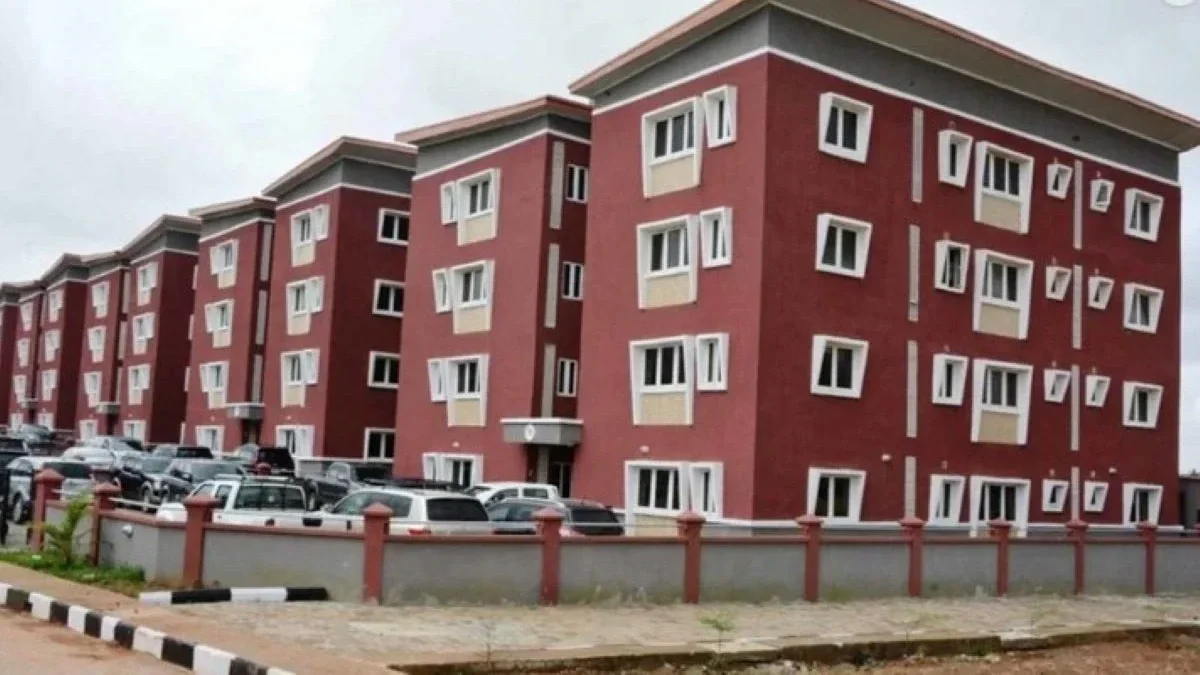
Lagos requires approximately ₦6 trillion annually to bridge its housing capital gap as the state’s housing deficit reaches 3.4 million units, according to findings presented by GTI Capital Research at a housing and capital forum in Lagos.
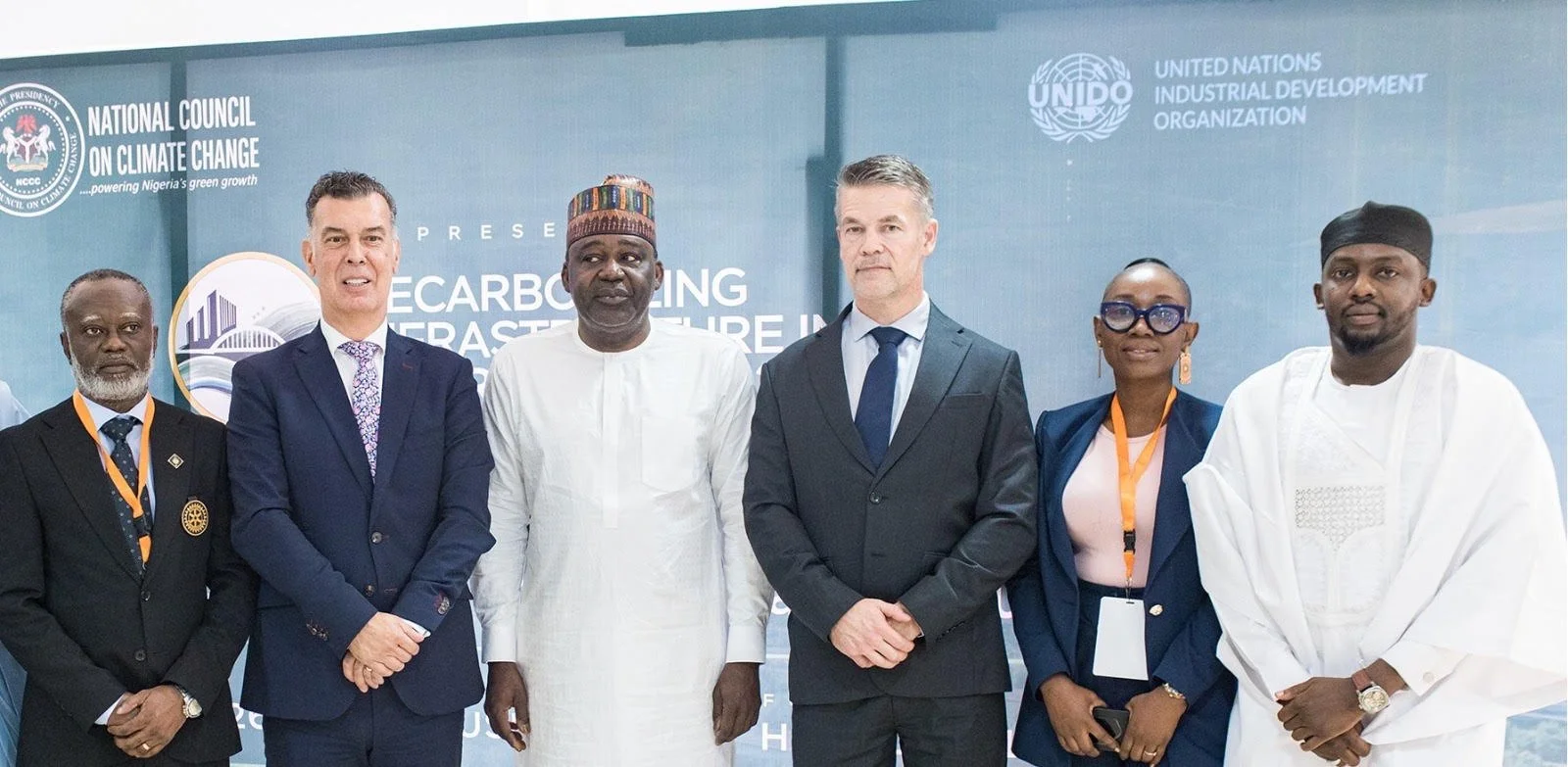
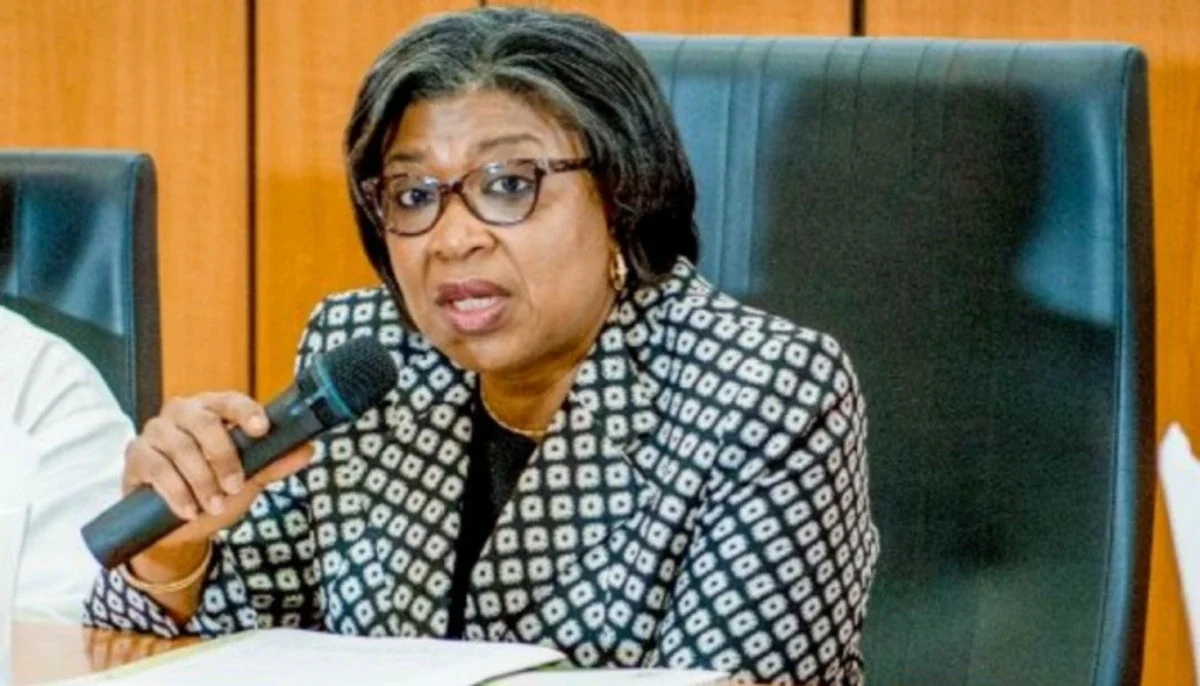
The research, presented by Prof. Timothy G. Nubi, Founding Director of the University of Lagos Centre for Housing and Sustainable Development, shows that the state needs about 227,576 additional homes each year to keep pace with population growth and rising demand.
/ You Might Also Like /




Lagos Housing Deficit Rises to 3.4 Million Units
According to the research, Lagos’ housing deficit increased from 2.95 million units in 2016 to 3.4 million units in 2025, representing a 15% increase over nine years.
Nubi said Lagos’ economic importance has not translated into sufficient affordable housing supply, leaving households increasingly exposed to rising rents and property prices.
The state requires approximately 227,576 new housing units annually to keep pace with population growth and migration, according to the presentation.
Housing Capital Gap Reaches ₦6tn Annually
GTI Capital Research estimates Lagos’ annual housing capital gap at approximately ₦6 trillion.
The figure represents the estimated cost of delivering the housing supply that formal development currently fails to provide each year. GTI Research noted that the gap is almost three times Lagos State’s 2026 capital expenditure budget of ₦2.337 trillion.
The scale of the financing requirement suggests that public expenditure alone cannot address the housing shortage.
Instead, the research points to greater mobilisation of private capital, mortgage finance, institutional investment and capital-market instruments.
Housing Costs Rising Faster Than Wages
The research also highlighted the growing affordability pressure facing Lagos households.
According to GTI Research, rents across Lagos increased by between 80% and 120% from 2024 to 2026, while wages grew by only 7% to 9% over the same period.
This widening gap between income growth and housing costs has increased the financial burden on renters and reduced the number of households able to transition from renting to homeownership.
Lagos Property Market Remains Severely Unaffordable
GTI Capital Research placed Lagos’ property price-to-income ratio at 19.2 times, significantly above the 5.0-times threshold regarded as severely unaffordable.
The research also found substantial differences in rental costs across Lagos.
In Ikoyi, annual rent for a two-bedroom apartment was estimated at between ₦8 million and ₦70 million, with an average field-survey figure of about ₦30 million. Victoria Island recorded rents ranging from ₦3 million to more than ₦50 million, with an average of approximately ₦18 million.
Yaba, Surulere and Ikeja recorded estimated two-bedroom rents between ₦1.5 million and ₦12 million, with average figures of roughly ₦4.75 million to ₦5 million, while Lekki Phase 1 recorded rents ranging from ₦1 million to ₦40 million, with an average of about ₦15 million.
Infrastructure Driving Property Values
GTI Capital Research identified infrastructure as the biggest factor determining property prices across the 15 Lagos zones analysed.
This highlights the strong relationship between public infrastructure and property values.
Roads, public transportation, drainage, electricity and other infrastructure can improve accessibility and increase the attractiveness of locations to households and businesses. However, infrastructure-led increases in land values can also make housing less affordable if new supply does not keep pace with demand.
For policymakers, this makes infrastructure planning an important component of housing affordability strategies.
Pension Funds Could Provide More Housing Capital
The research identified Nigeria’s pension industry as one potential source of additional housing finance.
Nigeria’s pension funds hold approximately ₦30 trillion in assets and are permitted to allocate up to 30% to instruments including Real Estate Investment Trusts, mortgages and asset-backed securities. However, actual allocation to housing-related instruments remains around 5%, according to Nubi’s presentation.
Increasing institutional participation could provide a substantial pool of long-term capital for housing development if suitable investment structures, risk frameworks and affordable projects are available.
Housing Needs to Become an Investment Asset
Nubi argued that Nigeria cannot rely on government-funded construction alone to close the housing gap.
He called for housing to be treated increasingly as an institutional investment asset that can attract capital through REITs, bonds, asset-backed securities, crowdfunding and mortgage innovations.
Such mechanisms could provide developers with access to longer-term funding while allowing institutional and retail investors to participate in the housing market.
GTI Proposes Alternative Financing Models
GTI Research has also proposed mechanisms aimed at unlocking capital tied up in Lagos’ land and property market.
Among the proposals is a Micro-Title Regularisation Window designed to convert informal land occupation into mortgageable titles using satellite imagery and drone mapping.
Another proposal involves creating a Lagos Infrastructure Value Capture Authority to capture part of the increase in land values generated by public infrastructure investment and use the proceeds to support infrastructure financing.
GTI Research estimates that its proposed financing instruments could mobilise between ₦2.75 trillion and ₦3.85 trillion annually, potentially addressing 45% to 65% of the estimated housing capital gap.
Implications for Developers and Investors
The size of Lagos’ housing deficit points to significant unmet demand across the residential property market.
However, the research also highlights the need for developers to focus on affordability rather than simply increasing high-end housing supply.
For investors, opportunities may exist in affordable and middle-income housing, rental developments, student accommodation and other segments where demand remains strong.
Access to suitable financing will remain critical. High interest rates and construction costs can make projects difficult to structure at prices that ordinary households can afford.
Housing Crisis Requires Coordinated Policy
Closing Lagos’ housing gap will require coordination between government, developers, financial institutions, pension funds and capital-market operators.
Government can support the market through land reforms, infrastructure provision, faster approvals and policies that reduce development costs. Financial institutions can expand mortgage and construction finance, while institutional investors can provide longer-term capital.
Developers, meanwhile, need to increase supply in locations where households can afford both housing and the associated cost of transportation and essential services.
Outlook
Lagos’ estimated ₦6 trillion annual housing capital gap demonstrates the scale of the financing challenge facing the state's property market. With the housing deficit reaching 3.4 million units and demand continuing to outpace supply, government spending alone is unlikely to close the gap.
The findings strengthen the case for deeper participation by institutional investors, pension funds, mortgage providers and private developers. For Lagos, the central challenge is no longer simply how to build more homes, but how to mobilise sufficient long-term capital to deliver homes that households can actually afford.
READ MORE