Lagos Housing Crisis Deepens as Deputy Governor Urges Residents to Share Rent

High Housing Costs Force Fresh Debate Over Affordable Living in Lagos
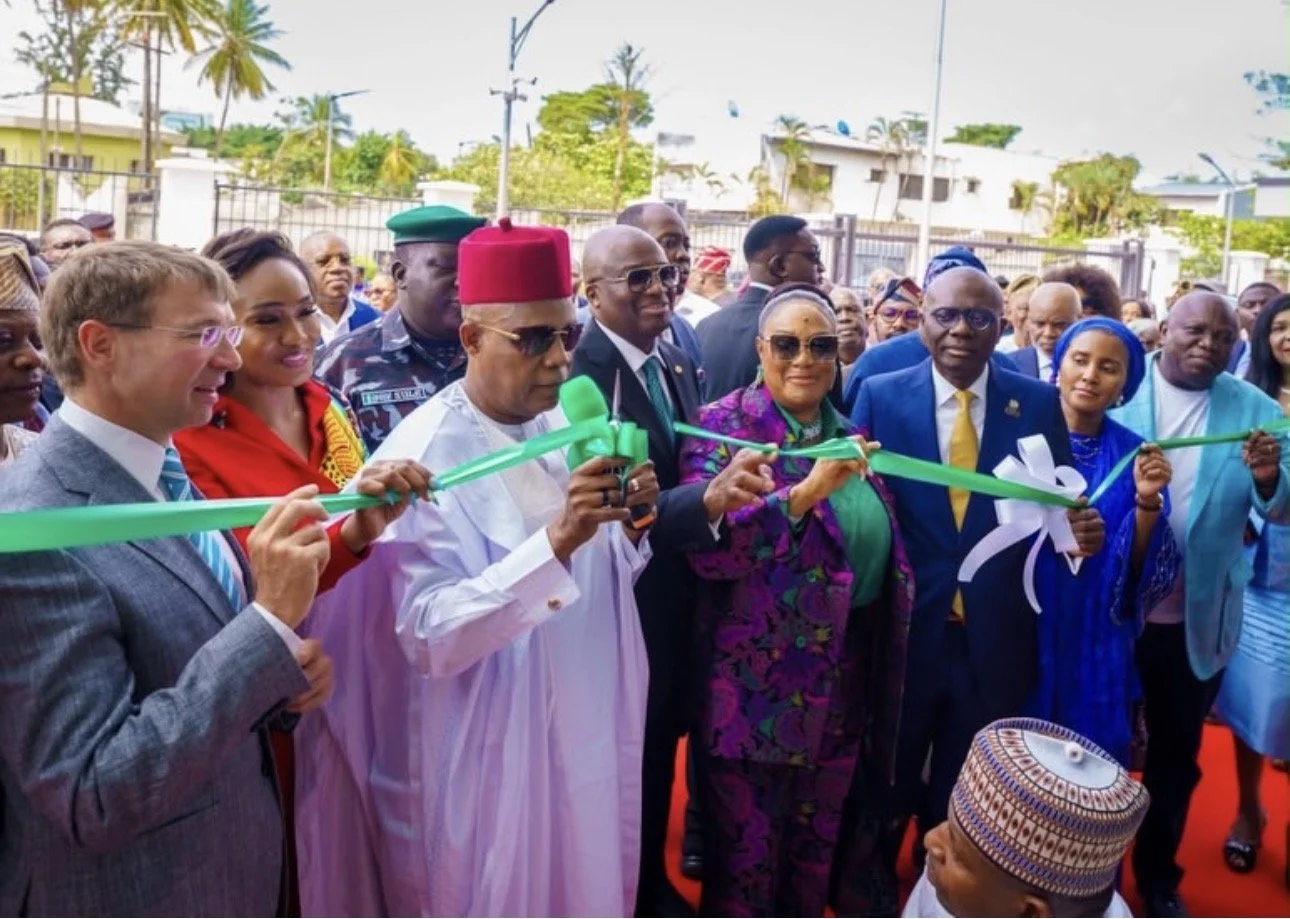
Lagos Deputy Governor Obafemi Hamzat has called on residents facing rising accommodation costs to consider sharing rent or living with their parents, as the state's housing affordability challenge continues to place pressure on households.
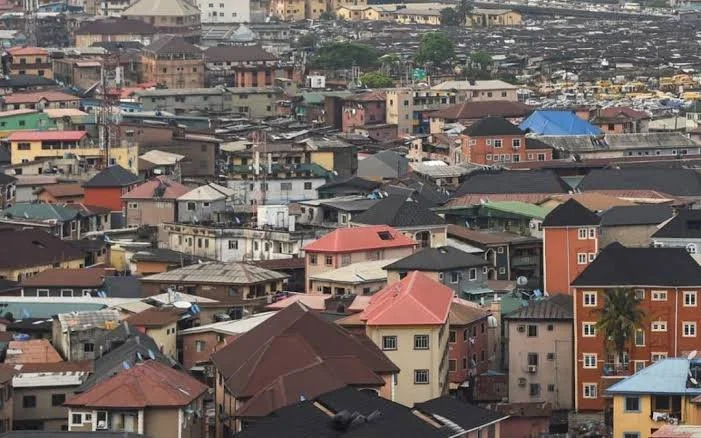
Hamzat made the comments while addressing the broader housing challenges confronting Lagos, where strong population growth, limited affordable supply and high construction and land costs continue to influence rents and property prices. The remarks have brought renewed attention to the affordability pressures facing residents across the state's rental market.
/ You Might Also Like /




Rising Housing Costs Put Pressure on Households
Housing affordability remains one of the major challenges facing Lagos residents.
The city's large population and continued economic activity sustain strong demand for residential accommodation, while the cost of land, construction materials, financing and property development adds to the overall cost of housing.
For many households, the challenge extends beyond finding available accommodation. Rent payments, agency fees, legal charges, service costs and transportation expenses can combine to create a significant financial burden.
The deputy governor's recommendation to share rent reflects the extent of the pressure facing households as they search for ways to reduce their accommodation expenses.
Shared Housing Offers Short-Term Relief
Sharing accommodation can reduce the immediate financial burden on individuals and families by spreading rent and other household expenses among multiple occupants.
For young workers, students and other residents at the early stages of their careers, shared accommodation can provide an alternative to taking on the full cost of a housing unit alone.
However, shared housing is primarily a coping mechanism rather than a long-term solution to Lagos' housing shortage.
The underlying challenge remains the need to increase the supply of decent and affordable homes in locations with access to employment, transport and essential services.
Housing Affordability Goes Beyond Rent
The cost of housing in Lagos cannot be assessed solely by looking at monthly or annual rent.
A relatively cheaper property located far from a resident's workplace may generate higher transportation expenses and longer commuting times. Similarly, homes with lower rents but inadequate access to electricity, water, roads and other infrastructure can impose additional costs on households.
This makes the concept of housing affordability broader than the price of a housing unit.
For policymakers and developers, the focus needs to include the total cost of living associated with different residential locations.
Construction Costs Remain a Major Challenge
The cost of delivering new housing is another factor affecting affordability.
Developers face high costs for land, cement, steel, labour, transportation, financing and other construction inputs. These costs eventually influence the prices or rents required to make housing projects financially viable.
Reducing the cost of housing therefore requires interventions across the development chain.
Measures that improve access to affordable land, reduce infrastructure costs, support local production of building materials and expand affordable housing finance could help make new homes more accessible.
Affordable Housing Supply Needs Greater Attention
Lagos requires sustained investment in housing supply to address the structural causes of its affordability challenge.
Government housing programmes can contribute to supply, but the scale of demand means private developers and institutional investors also have an important role to play.
Public-private partnerships could help mobilise capital for affordable and middle-income housing, particularly where government provides land, infrastructure or other forms of project support.
The location of such developments will also be important. Affordable housing that lacks adequate transport connections or essential infrastructure may fail to provide meaningful relief to households.
Transport Costs Add to Housing Pressure
Housing and transportation are closely connected in Lagos.
As property prices rise in established urban areas, households often move towards peripheral communities where rents or land prices are comparatively lower. However, longer journeys to employment centres can increase transportation costs and reduce the financial advantage of cheaper housing.
This creates a situation in which households may pay less in rent but more to commute.
Better integration between housing development and public transportation could therefore improve the overall affordability of living in Lagos.
Developers Need Clearer Affordable Housing Incentives
For the private sector, affordable housing can be difficult to deliver when development costs remain high and financing is expensive.
Government incentives could help improve the economics of affordable housing projects.
These could include access to serviced land, infrastructure support, faster approval processes, targeted tax incentives and financing mechanisms that reduce the cost of capital.
Such measures could encourage developers to increase supply while maintaining commercially viable projects.
Long-Term Solution Requires More Housing Supply
While shared accommodation and multigenerational living can provide temporary solutions for households facing high housing costs, they cannot substitute for adequate housing supply.
Lagos needs a sustained pipeline of housing across different income categories, supported by infrastructure and efficient urban planning.
The state also needs to ensure that new developments can accommodate population growth without placing excessive pressure on existing infrastructure.
Outlook
The deputy governor's comments highlight the severity of housing affordability pressures in Lagos, but the underlying challenge requires structural solutions beyond household adjustments.
Expanding affordable housing supply, reducing development costs, improving infrastructure and integrating housing with transport planning will be critical to easing pressure on residents.
For investors and developers, the persistent affordability gap also points to significant unmet demand in Lagos' residential market. The opportunity lies in developing housing that matches household incomes while providing reliable access to transportation and essential services.
Until that supply gap narrows, shared accommodation and living with family may remain practical coping strategies for many Lagos residents, rather than solutions to the state's wider housing affordability challenge.
READ MORE