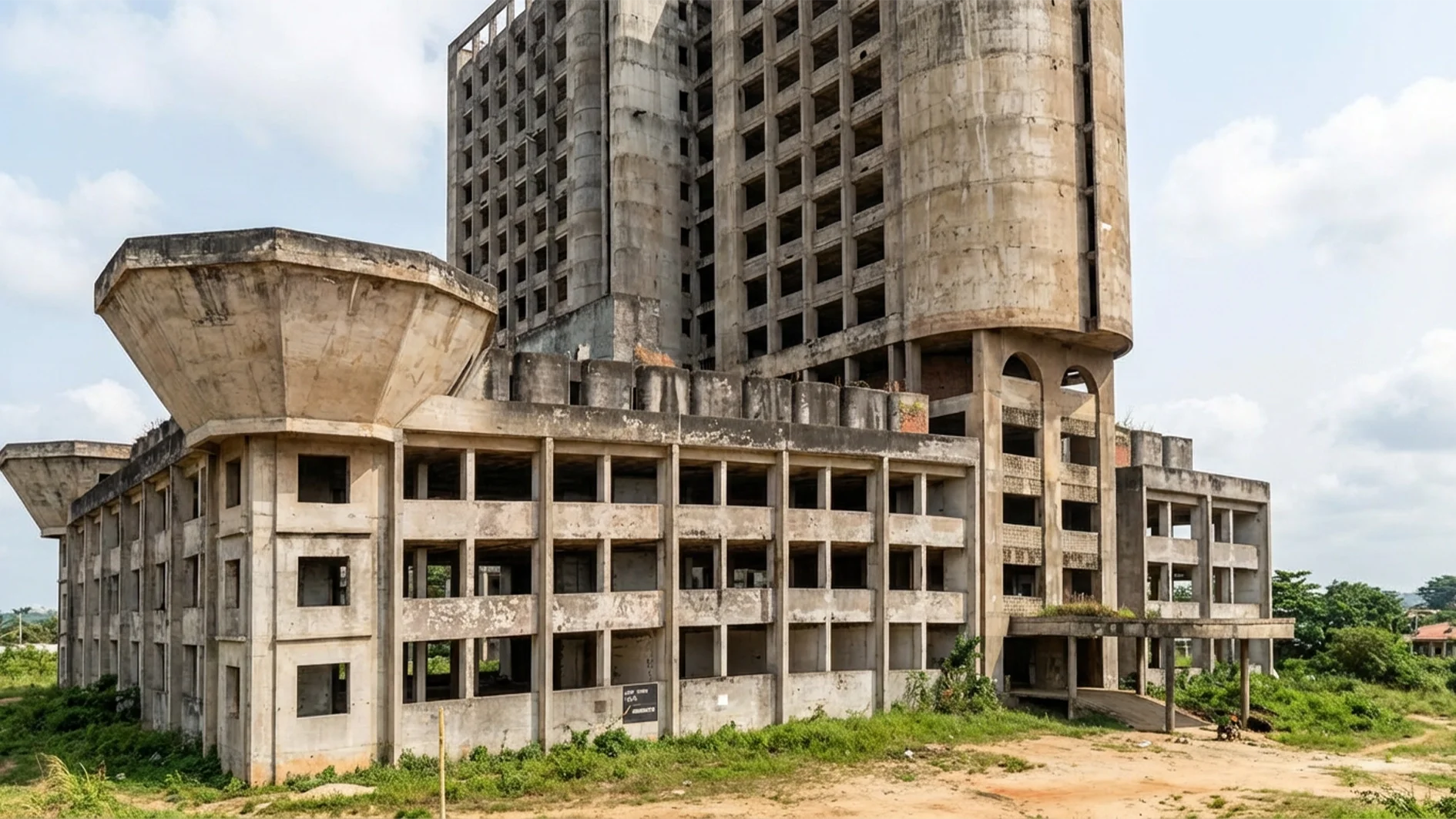
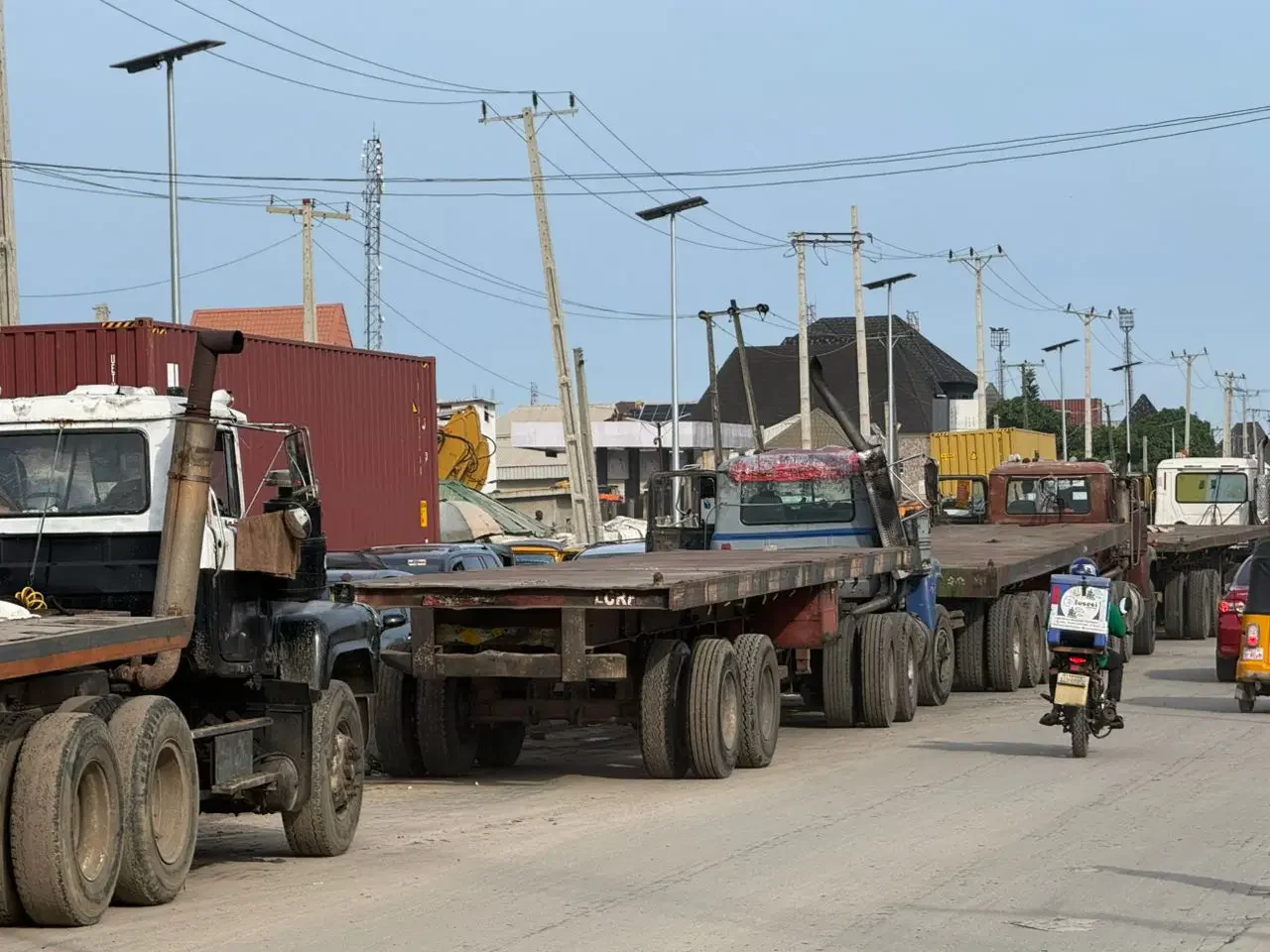
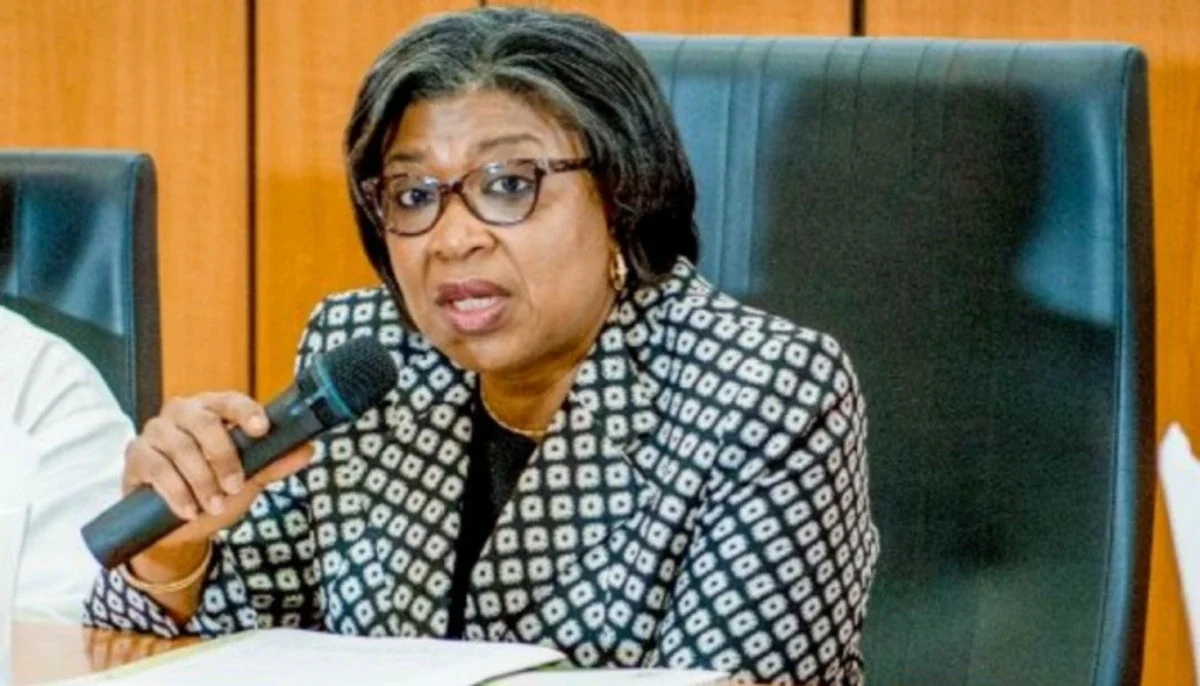
Real Reasons Many Nigerians Are Priced Out of the Housing Market, Face Rising Homelessness
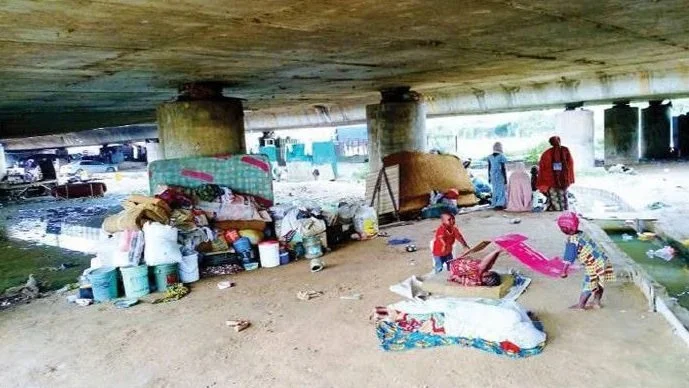
Housing Crisis Deepens as Affordability Gap Widens
Nigeria's worsening housing affordability crisis is pushing millions of citizens beyond the reach of homeownership, as rising construction costs, high interest rates, low incomes and an underdeveloped mortgage system continue to widen the gap between housing demand and supply. Industry experts say the combined impact of these structural challenges is forcing more Nigerians into long-term renting, overcrowded living conditions and, in some cases, homelessness.
/ You Might Also Like /




According to property market analysts, adverse macroeconomic conditions including persistent inflation, exchange rate volatility and elevated financing costs have significantly increased the cost of housing development. Developers are passing these higher costs on to buyers, making homeownership increasingly unattainable for low- and middle-income households.
Rising Construction Costs Continue to Drive House Prices
Experts identify construction costs as one of the biggest contributors to Nigeria's housing affordability challenge.
The prices of key building materials have risen sharply in recent years, driven by inflation, exchange rate depreciation and increased production costs. As developers spend more on land acquisition, cement, steel, imported finishing materials and infrastructure, the final selling price of homes continues to rise.
To remain commercially viable, developers often have little choice but to transfer these higher costs to buyers, limiting access to homeownership for many Nigerians.
Low Incomes Limit Access to Homeownership
Housing experts also point to weak household incomes as a major barrier to affordable housing.
Despite rising property prices, wage growth has remained relatively slow across both the public and private sectors. The report notes that many workers earn incomes that are insufficient to meet mortgage eligibility requirements or purchase homes outright, leaving a large segment of the population excluded from the formal housing market.
The mismatch between income levels and housing costs has contributed to growing housing insecurity, particularly in major urban centres where demand for accommodation continues to outpace supply.
Mortgage Financing Remains Out of Reach
Limited access to affordable mortgage finance continues to constrain homeownership across Nigeria.
Industry stakeholders note that mortgage interest rates remain significantly higher than what many households can afford, while strict lending conditions further restrict access to housing finance. The relatively small size of Nigeria's mortgage market has also limited opportunities for long-term, low-cost financing that could support wider homeownership.
Analysts argue that expanding mortgage availability and reducing borrowing costs will be essential to improving housing affordability and stimulating residential development.
Housing Supply Falls Behind Demand
Nigeria's housing deficit continues to widen as new housing delivery struggles to keep pace with rapid population growth and urbanisation.
Experts say inadequate housing supply has intensified competition for available homes, driving up both property prices and rental costs. The sustained imbalance between supply and demand has strengthened the rental market while making homeownership increasingly inaccessible for first-time buyers.
Developers also cite challenges such as high land costs, infrastructure deficits, lengthy approval processes and expensive property documentation as factors slowing housing delivery.
Comprehensive Reforms Needed
Property professionals argue that addressing Nigeria's housing affordability crisis will require coordinated policy reforms rather than isolated interventions.
Recommended measures include expanding affordable mortgage financing, streamlining land administration, reducing construction costs, improving infrastructure and encouraging greater private sector participation in affordable housing delivery. Experts also emphasise the importance of increasing household incomes and creating an enabling environment for large-scale residential development.
Outlook
Nigeria's housing affordability challenge reflects broader structural issues within the economy and the real estate sector. Rising construction costs, limited housing finance, weak household incomes and insufficient housing supply continue to price many Nigerians out of the formal property market.
Without sustained reforms aimed at improving affordability, expanding mortgage access and accelerating housing delivery, the country's housing deficit is likely to persist, placing additional pressure on rental markets and increasing the number of households struggling to secure decent accommodation.
READ MORE