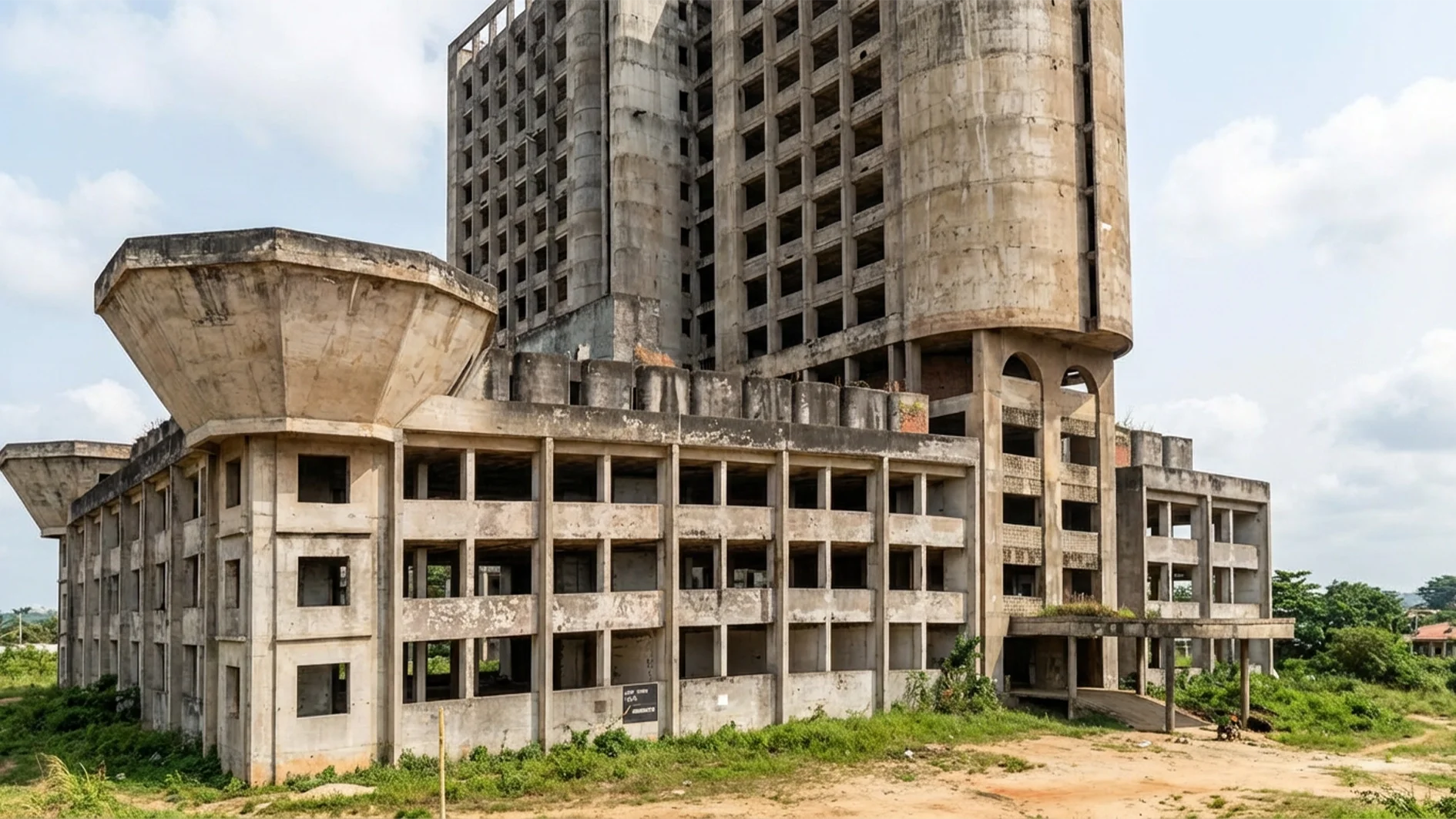
Industrial Unrest Looms Over Threatened FCT Workers' Housing Scheme
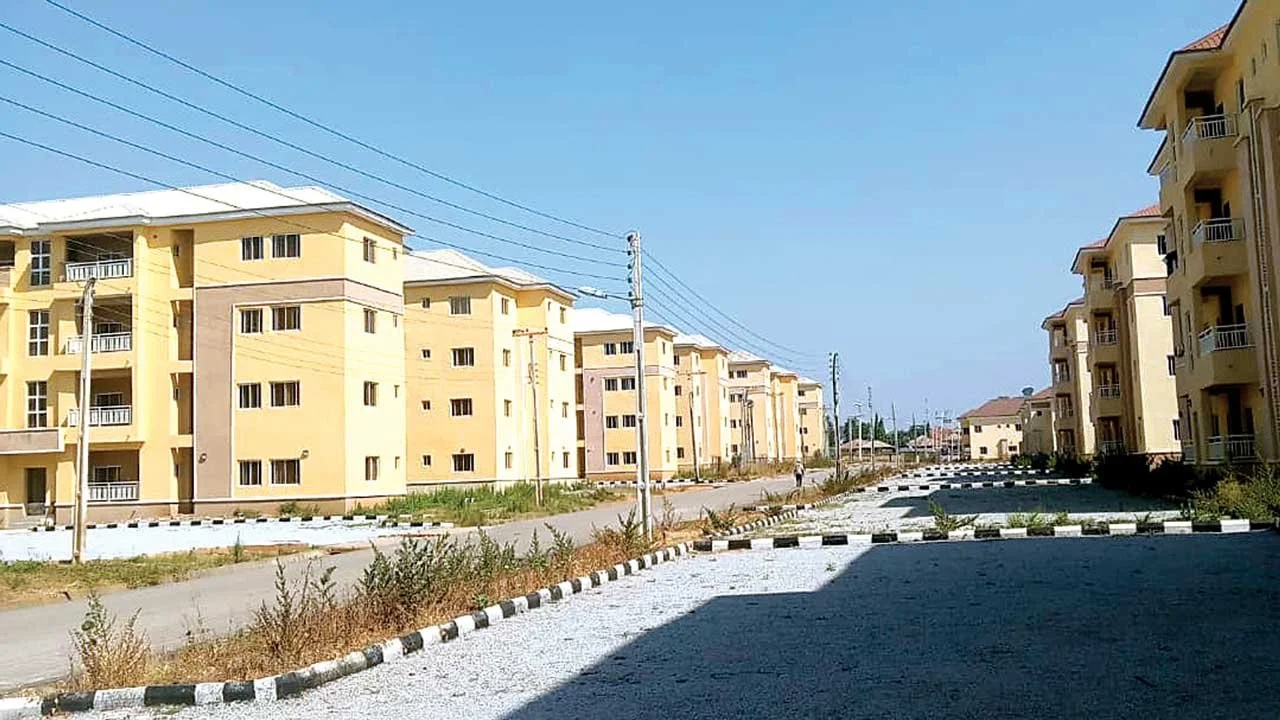
Demolition Order Puts FCT Workers' Housing Scheme at Risk
Industrial tensions are mounting within Nigeria's Federal Public Service following a reported demolition order affecting the Federal Integrated Staff Housing (FISH) Programme in the Federal Capital Territory (FCT). Labour leaders have warned that the development could trigger widespread industrial unrest, as thousands of federal workers risk losing investments made through salary deductions into the government-backed housing scheme.
/ You Might Also Like /




The dispute centres on housing units under construction in the Bamishi Cadastral District of Kuje Area Council, where the Abuja Metropolitan Management Council (AMMC), an agency of the Federal Capital Territory Administration (FCTA), reportedly issued a demolition order. The affected workers, many of whom have invested billions of naira collectively in the scheme, are seeking urgent government intervention to safeguard their investments.
Union Raises Alarm Over Housing Investments
The Joint National Public Service Negotiating Council (JNPSNC), Trade Union Side, has petitioned the Head of the Civil Service of the Federation, Mrs Esther Didi Walson-Jack, calling for immediate action to halt the demolition and protect the interests of federal workers enrolled in the housing programme.
According to the union, the petition followed complaints from workers participating in the FISH Programme, who fear that the demolition order could jeopardise homes they have financed over several years through monthly payroll deductions.
The union warned that failure to resolve the matter promptly could provoke industrial action across the federal public service, given the scale of workers affected and the financial commitments already made.
Housing Scheme Backed by Federal Workers' Contributions
The Federal Integrated Staff Housing (FISH) Programme was established to improve homeownership opportunities for federal civil servants through structured housing delivery and long-term financing.
According to the union, the housing project is being developed on plots allocated in 2021 by the Federal Capital Development Authority (FCDA) to Alvera Integrated Services Limited and its development partners. Subscribers have financed the project through regular salary deductions with the expectation of taking delivery of completed homes.
The reported demolition order has therefore generated uncertainty over the future of the development and raised broader concerns about the protection of workers' housing investments.
Implications for Affordable Housing Delivery
The dispute highlights the challenges associated with land administration, regulatory coordination and housing project implementation within the Federal Capital Territory.
Housing experts note that certainty over land tenure and development approvals is essential for sustaining confidence in government-supported housing initiatives. Where regulatory disputes threaten ongoing projects, they can undermine investor confidence, delay housing delivery and discourage participation in future affordable housing programmes.
For public-sector workers, the situation also raises concerns about the security of long-term housing savings tied to employer-backed schemes.
Need for Institutional Coordination
Industry stakeholders argue that stronger coordination among agencies responsible for land administration, planning approvals and urban development is necessary to prevent disruptions to strategic housing projects.
They maintain that resolving disputes through administrative engagement before projects reach advanced construction stages would reduce investment risks and improve confidence in government-led housing delivery initiatives.
The case also underscores the importance of transparent governance and policy consistency in achieving Nigeria's affordable housing objectives.
Outlook
The petition by the JNPSNC places additional pressure on the Federal Government to intervene before the dispute escalates into industrial action.
With thousands of federal workers' housing investments reportedly at stake, the resolution of the FISH Programme dispute will be closely watched by policymakers, labour unions and the real estate sector. The outcome could influence confidence in future government-backed housing programmes and reinforce the need for stronger institutional coordination in land administration and affordable housing delivery.
READ MORE