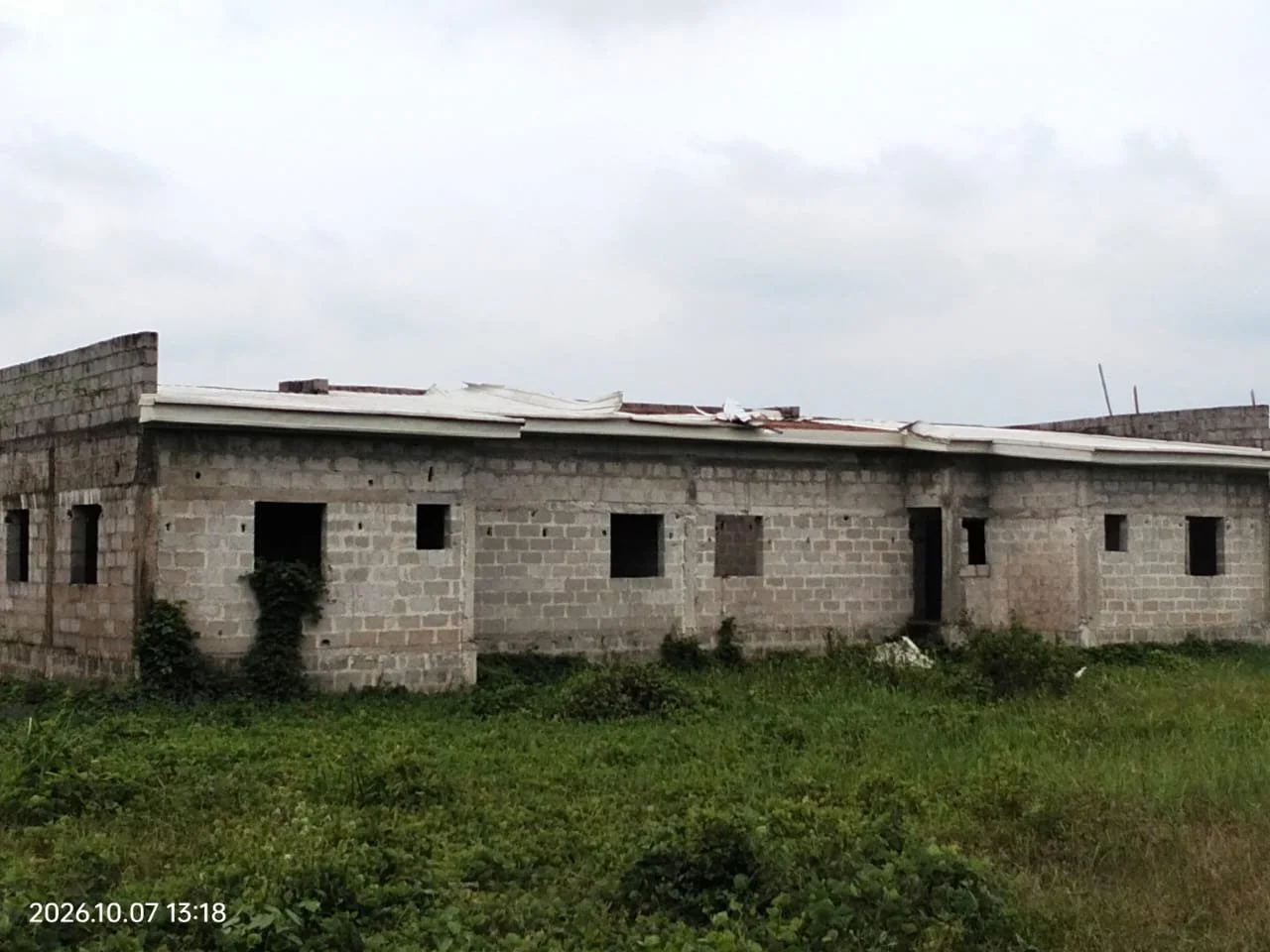
Enugu’s Housing Market Draws Praise as Powell Homes Expands Private Sector Investment

Enugu’s housing market continues to attract private-sector investment
Enugu State’s housing market is attracting private-sector investment as property developers pursue residential projects to meet demand for housing across the state.
Governor Peter Mbah has reportedly commended the managing director of Powell Homes and Shelters Ltd., Architect Chibuikem Onyekachi Emmanuel, for his contribution to housing investment in Enugu.
/ You Might Also Like /




The development draws attention to the role of private property companies in expanding residential development and supporting activity in the state’s real estate sector.
Private Developers Contribute to Enugu’s Housing Development
Private developers play an important role in residential construction by mobilising investment, acquiring land, developing estates and marketing properties to prospective buyers.
Their activities can support employment across construction, building materials, engineering, property management and related services. New residential developments can also stimulate demand for roads, electricity, water supply and other infrastructure.
Powell Homes has maintained a presence in Enugu’s property market through estate development and land sales. In May 2026, the company announced the commencement of Wonderland Estate in Emene, describing the project as a mortgage-friendly residential development with green spaces and recreational facilities.
The Guardian Nigeria
Such developments illustrate the range of private-sector activity in the state’s housing market. However, their broader contribution depends on project completion, infrastructure provision, transparent property transactions and the ability of intended buyers to afford the homes or land being offered.
Housing Demand Remains a Challenge for Enugu
Despite investment in residential property, access to affordable housing remains a significant concern in Enugu and the wider South-East.
A July 2026 report by The Guardian highlighted rising rents, limited low-cost housing delivery and concerns over the slow completion of some publicly supported housing projects across the region. It also noted the pressure on residents who struggle to secure accommodation at prices consistent with their incomes.
The Guardian Nigeria
These conditions create opportunities for private developers, but they also raise questions about the type of housing being delivered and the income groups being served.
High-value estates and serviced plots can attract investors and buyers with sufficient purchasing power. Addressing the needs of lower- and middle-income households, however, requires suitable land, efficient construction, accessible financing and infrastructure that does not impose excessive additional costs.
For Enugu, the central issue is therefore not simply attracting more real estate investment, but ensuring that investment contributes to a broader supply of suitable and affordable housing.
Infrastructure and Financing Will Influence Housing Delivery
The performance of Enugu’s property market depends on more than the number of projects developers announce. Access roads, electricity, water supply, drainage and other essential services influence both development costs and the attractiveness of residential locations.
Where developers must fund major infrastructure independently, they may incorporate those expenses into property prices. This can make homes less affordable and restrict the pool of prospective buyers.
Financing also affects the pace of housing development. Developers need capital to acquire land, provide infrastructure and complete construction, while prospective homeowners need payment arrangements or mortgage products that match their financial capacity.
Powell Homes has previously described its Wonderland Estate project as offering mortgage-friendly housing. The practical impact of such arrangements will depend on the financing terms, eligibility requirements and prices available to buyers.
The Guardian Nigeria
Private Investment Must Translate Into Completed and Accessible Homes
Recognition of property-sector leadership can draw attention to investment activity, but the wider housing market ultimately depends on measurable delivery.
For developers, this means completing projects, providing the infrastructure promised to buyers and maintaining transparent documentation and transaction processes. For government, it means creating a predictable regulatory environment, improving infrastructure provision and ensuring that planning and land administration processes support sustainable development.
There is also a need to align private investment with the housing requirements of different income groups. A combination of residential products, appropriate financing and efficient infrastructure planning can help expand access beyond the premium end of the market.
Outlook
Enugu’s real estate sector offers opportunities for developers and investors as demand for residential property continues to shape the state’s urban development priorities.
Governor Mbah’s reported commendation of Powell Homes’ managing director highlights the contribution of private-sector players to the state’s housing investment landscape. The broader test, however, is whether investment produces completed homes, reliable infrastructure and property options that meet the needs of residents.
For Enugu, sustained progress will depend on combining private capital and development expertise with effective planning, transparent transactions and a stronger focus on housing affordability.
READ MORE