NNPC Gives Up Retail Margin as Government Rules Out Subsidy Return
NNPC Retail to absorb petrol discount through reduced margins
The Federal Government has said the 30-day petrol discount at Nigerian National Petroleum Company (NNPC) Retail Limited stations will be funded through reduced retail margins rather than the federal budget or the Federation Account, insisting that the measure does not represent a return to fuel subsidy.
/ You Might Also Like /




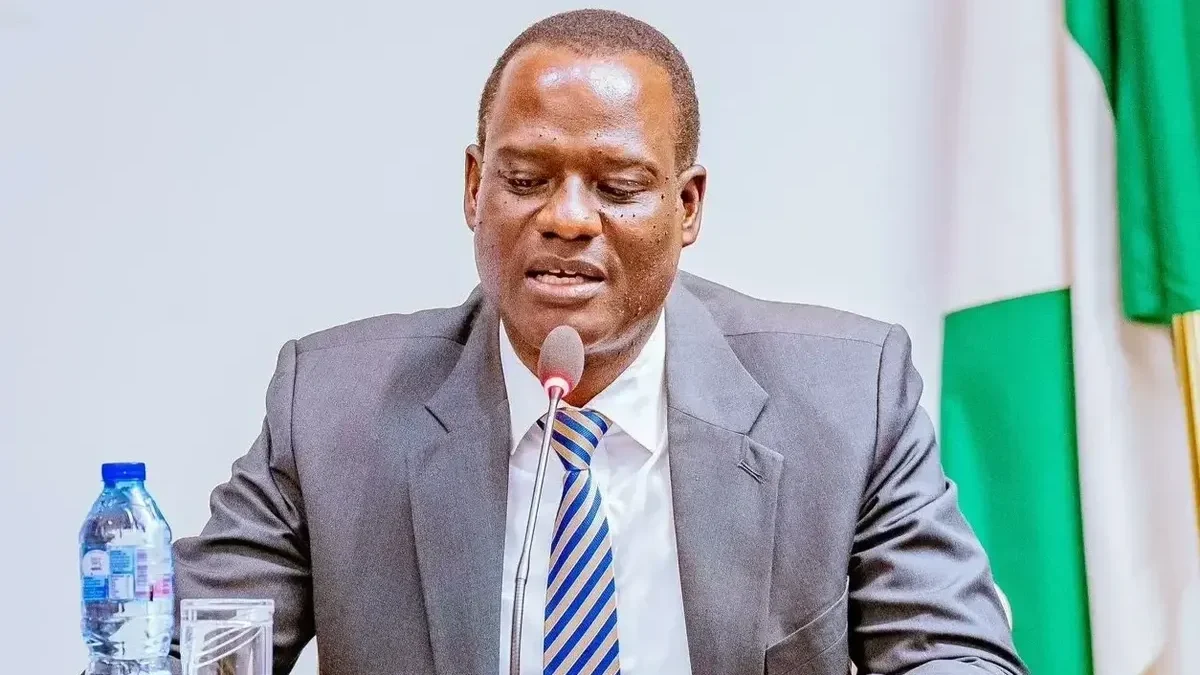
Minister of Finance and Coordinating Minister of the Economy, Taiwo Oyedele, gave the clarification on Friday, October 9, following the announcement of the temporary discount as part of efforts to ease the impact of elevated petrol prices on households and businesses.
The arrangement allows NNPC Retail to reduce or temporarily forgo part of the margin it adds to the cost of purchasing petrol. The government maintains that the company will continue buying fuel from the Dangote Refinery and other suppliers at market prices, with the discount coming from the retailer’s margin rather than public revenue.
How the NNPC Petrol Discount Works
Under the arrangement, NNPC Retail will absorb the reduction in pump prices by accepting a lower margin per litre. The government says this differs from the former subsidy system, under which public revenue covered part of the cost of petrol to keep prices below market levels.
Oyedele argued that the discount remains consistent with market-based pricing because the retailer is not receiving government funds to cover the difference between its purchase cost and the discounted selling price.
He also said retail margins account for less than five per cent of pump prices. According to the minister, the relatively small share limits the potential effect of the discount on price differences between Nigeria and neighbouring countries, reducing the risk of creating a substantial new incentive for cross-border smuggling.
NNPC Limited separately confirmed that the discount would continue until October 31 across its retail stations nationwide. The company said the initiative began on October 1 as part of its Independence Day sales promotion and was extended following the government’s announcement of measures to cushion the impact of rising global crude oil price
Government Defends the Decision Against Subsidy Restoration
The clarification comes amid renewed debate over how to protect consumers from higher fuel prices without reversing the removal of petrol subsidy in May 2023.
The government has warned that restoring petrol prices to pre-reform levels could cost more than ₦20 trillion annually. Oyedele also said an intervention of ₦500 per litre could exceed ₦16 trillion a year, placing significant pressure on public finances.
The minister said ₦15.8 trillion was released to the Federation Account between June 2023 and December 2025 following subsidy removal, including ₦10.4 trillion for state and local governments. The figures form part of the government’s argument that a return to broad-based subsidies would reduce resources available for other public spending.
Other measures announced by the government include forward sales of crude oil to domestic refineries, a proposed ₦1,350-per-litre ceiling on petrol landing costs, action against illegal levies, increased support for vulnerable households and an accelerated rollout of compressed natural gas.
The government has also said it is considering an excess-profit tax on operators found to be taking undue advantage of consumers during the period of high energy prices. It says proceeds would support measures intended to cushion the effects of fuel costs on vulnerable groups.
Questions Remain Over the Duration of Consumer Relief
Despite the government’s explanation of how the discount will be funded, questions remain over the extent of relief consumers will experience, particularly if the reduction does not translate into lower transport fares and broader reductions in the cost of living.
Former Vice-President Atiku Abubakar criticised the temporary nature of the intervention, questioning what would happen when the 30-day period ends. He also raised concerns about limiting the discount to NNPC stations and whether commercial transport operators would pass any savings on to passengers.
The arrangement’s direct benefit to consumers will depend on the price difference at participating stations, the availability of discounted fuel and whether the reduction in retailers’ margins results in meaningful savings for motorists and transport businesses.
For households and businesses, petrol prices influence commuting, logistics, food distribution and operating costs. A temporary reduction may provide some relief, but its broader impact will depend on how it interacts with transport fares and other expenses.
Implications for Housing and Real Estate
Fuel prices affect the cost of moving cement, steel, blocks and other building materials, as well as transporting workers and operating construction equipment. Higher fuel costs can therefore increase construction expenses and place additional pressure on developers and homebuyers.
A discount that reduces fuel costs for transport operators and businesses could offer limited short-term relief across supply chains. However, the impact on housing delivery will depend on the scale of the price reduction, its duration and whether transport and logistics providers pass the savings on to customers.
The intervention does not directly address other major drivers of housing costs, including building-material prices, land costs, infrastructure gaps and access to development finance. It should therefore be viewed as a temporary fuel-cost measure rather than a direct housing-affordability intervention.
Outlook
The government has positioned the NNPC Retail discount as a temporary commercial measure designed to ease fuel-price pressure without returning to a system of government-funded petrol subsidies.
Its effectiveness will depend on how much consumers save during the 30-day period and whether the relief reaches transport users and businesses. The expiry of the discount will also test whether other measures can moderate fuel and transport costs without adding substantial pressure to public finances.
READ MORE