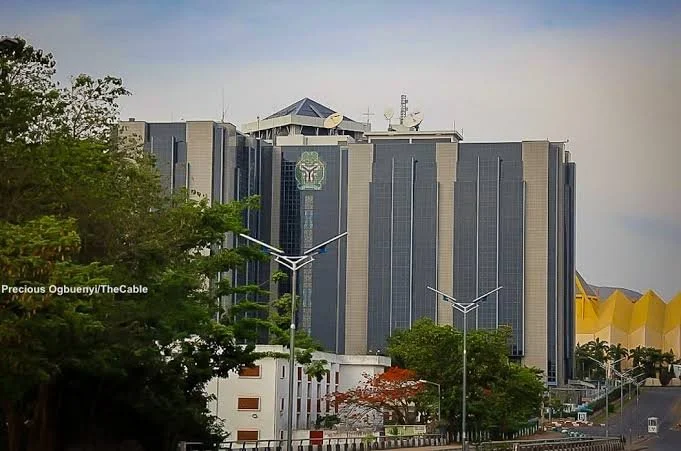
CBN Tightens Banking Rules to Protect Capital and Prevent Another Crisis

The CBN is tightening banking supervision following the recapitalisation exercise
The Central Bank of Nigeria (CBN) is intensifying enforcement of banking regulations, requiring lenders to maintain capital commensurate with their risk exposures as it seeks to strengthen financial stability following the sector’s recapitalisation exercise.
/ You Might Also Like /




The regulator is tightening scrutiny of insider lending, corporate governance, large credit exposures and compliance with prudential requirements. The measures are intended to ensure banks can absorb potential losses without requiring another industry-wide recapitalisation.
Dr Olubukola Akinwunmi, Director of Banking Supervision at the CBN, disclosed the measures at the 37th Finance Correspondents Association of Nigeria (FICAN) Conference in Abuja, according to a report published by The Sun on 9 October 2026.
Risk-Based Capital Rules Shift Focus to Banks’ Exposure
The CBN issued a risk-based capital requirement framework in March 2026 to ensure that banks hold capital in line with the risks associated with their business models and lending activities.
Unlike a uniform minimum-capital approach, the framework takes account of differences in banks’ exposures and operations. Institutions with higher-risk activities may need to maintain more capital to absorb potential losses.
Akinwunmi said the framework requires banks to undergo stress tests assessing their ability to withstand adverse conditions, including deteriorating loan quality, foreign exchange exposure, concentration of lending and governance weaknesses.
The approach shifts regulatory attention beyond the amount of capital banks raise to whether they have sufficient buffers to withstand the risks they take.
The distinction is important following the recapitalisation programme, which required banks to strengthen their capital bases. Higher capital can improve a bank’s ability to absorb losses, but it cannot by itself prevent poor lending decisions, excessive risk-taking or weak internal controls.
CBN Intensifies Crackdown on Insider Lending
The regulator is also strengthening enforcement of rules governing loans and other credit facilities involving bank owners, shareholders, directors and related parties.
Akinwunmi said insider-related facilities would receive particularly strict treatment because they can expose banks to conflicts of interest and weaken credit discipline.
The CBN is enforcing its Insider Credit Circular issued in February 2025. According to Akinwunmi, some bank owners, shareholders and board members have exited institutions amid concerns about insider lending.
He warned that persistent insider credit and weak corporate governance could undermine the gains from recapitalisation and recreate conditions that contributed to previous banking-sector difficulties.
Insider lending becomes a concern when credit decisions favour connected parties rather than borrowers’ ability to repay. Weak oversight can also make it harder for banks to identify deteriorating loans, enforce repayment or recognise losses promptly.
Stronger enforcement is intended to improve accountability and ensure that banks allocate capital according to sound credit assessments.
Existing Rules on Offshore Investments Remain in Force
The CBN also clarified reports suggesting it had introduced a new restriction preventing Nigerian banks from expanding into other African markets.
Akinwunmi said the regulator had not introduced a new rule but was enforcing an existing limit restricting banks’ investments in foreign or offshore subsidiaries to 10 per cent of shareholders’ funds.
He said stricter compliance was necessary to prevent banks from committing excessive amounts of newly raised capital to offshore investments that could expose them to additional risks.
The clarification distinguishes a change in enforcement from the introduction of a new regulation. It also highlights the regulator’s intention to ensure that recapitalisation strengthens banks’ resilience rather than creating room for excessive risk-taking.
For banks with international operations, compliance with the existing limit will remain an important consideration in capital allocation and expansion decisions.
Corporate Governance Becomes Central to Banking Stability
The CBN is placing greater emphasis on the qualifications, experience and integrity of individuals appointed to senior management and board positions.
Akinwunmi said weak board oversight, ineffective internal controls, excessive risk-taking and poor credit decisions had contributed to banking failures in Nigeria and other countries.
The regulator is therefore seeking stronger governance arrangements to ensure that bank directors and executives properly oversee lending, risk management and compliance.
Effective governance matters because decisions made by senior executives and boards can affect an institution’s asset quality, capital position and ability to withstand economic shocks.
The CBN has also strengthened corrective supervisory action, requiring banks to implement recommendations arising from regulatory examinations promptly. It is enforcing rules on single-obligor limits, loan portfolio diversification and other prudential requirements more strictly following the end of previous regulatory forbearances
Digital Supervision to Improve Regulatory Oversight
The CBN has introduced a digital Supervisory Examination Application to improve how it examines banks and records regulatory decisions.
The platform is designed to allow examiners to conduct much of their work digitally while maintaining records of examinations and the reasoning behind supervisory assessments.
Akinwunmi said the system would help the regulator monitor how examiners reach their conclusions and identify cases in which assessments may have been altered inappropriately.
The CBN is also using data analytics and historical information about individual banks to identify emerging risks and intervene before they threaten financial stability.
Digital tools could help the regulator identify patterns across lending portfolios and strengthen consistency in supervision. Their effectiveness will depend on data quality, appropriate controls and the ability to translate identified risks into timely corrective action.
Implications for Lending and Housing Finance
Stronger banking supervision has implications for businesses and sectors that depend on bank lending, including housing and real estate.
Property development typically requires substantial upfront investment in land acquisition, construction, infrastructure and utilities. Developers often depend on credit to finance these costs before recovering their investment through property sales or rental income.
More resilient banks can support a more stable financial system, but stricter risk assessment may also influence which borrowers and projects qualify for financing and the terms offered.
For property developers, access to credit will continue to depend on factors such as cash flow, project viability, collateral, repayment capacity and the risks associated with individual developments.
For mortgage lenders, sound governance and effective credit assessment are important to managing long-term housing loans. However, the CBN’s announcement does not introduce a dedicated housing-finance facility or promise lower mortgage rates.
The wider effect on housing delivery will depend on whether a more resilient banking sector can sustainably provide credit to viable projects and households at terms they can afford.
Outlook
The CBN’s tougher enforcement regime signals a shift towards closer scrutiny of how banks use capital, assess lending risks and govern their operations after recapitalisation.
Risk-based capital requirements, stricter controls on insider lending, stronger corporate governance and digital supervisory tools are intended to reduce vulnerabilities within the financial system.
The effectiveness of the measures will depend on consistent enforcement, timely identification of emerging risks and banks’ willingness to maintain sound lending and governance practices.
For Nigeria’s wider economy, the central test will be whether stronger and more resilient banks can protect depositors, maintain confidence and provide sustainable financing for productive investment without accumulating excessive risks.
READ MORE