Dei-Dei Traders Appeal to Wike Over Demolished Market Toilet
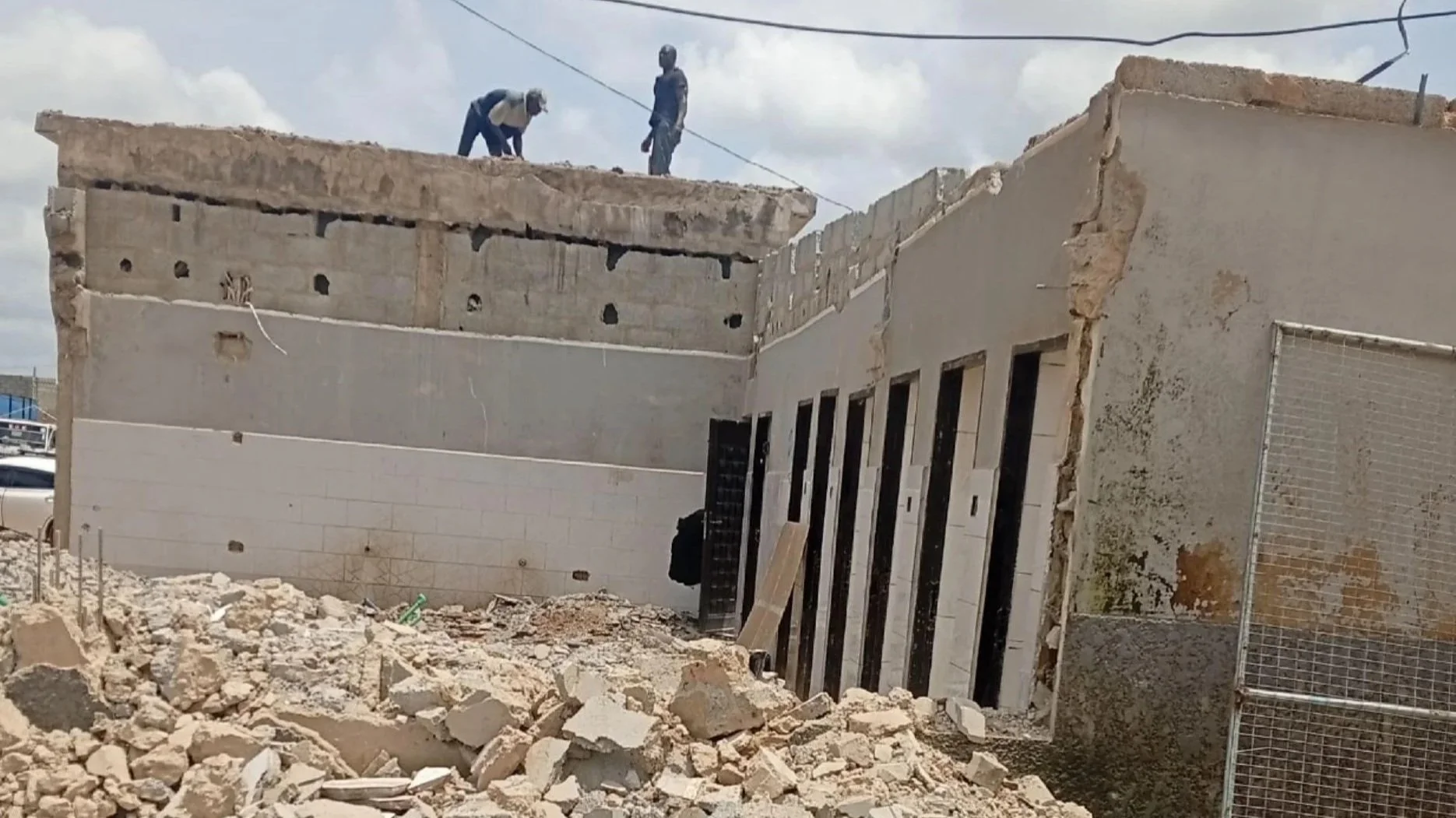
Demolished Market Toilet Sparks Appeal from Abuja Traders
Traders at the Dei-Dei International Building Materials Market in Abuja have appealed to the Minister of the Federal Capital Territory (FCT), Nyesom Wike, to order the reconstruction of a demolished public toilet within the market. They say the absence of the facility has created sanitation challenges, inconvenienced traders and customers, and raised concerns about public health.
/ You Might Also Like /


The traders explained that the demolished toilet previously served thousands of traders and visitors daily, providing an essential sanitation facility in one of Abuja's busiest commercial centres. Since its removal, they say many people have struggled to access adequate toilet facilities within the market.
Calls for Improved Market Infrastructure
Market leaders urged the FCT Administration to prioritise the restoration of the facility and provide additional public conveniences to meet the needs of the growing trading community. They argued that modern markets require adequate sanitation infrastructure to protect public health and support commercial activities.
The traders also stressed that proper sanitation facilities would improve hygiene standards, enhance the market environment and contribute to a more organised commercial district. They appealed to the authorities to act promptly to prevent further deterioration in environmental conditions.
Importance of Sanitation in Commercial Hubs
Urban planning experts have consistently identified sanitation infrastructure as a critical component of sustainable market development. Public toilets, waste management systems and drainage facilities help improve environmental quality, reduce health risks and support economic productivity in densely populated commercial areas.
As Abuja continues to expand, investment in essential public infrastructure within markets remains vital to improving the experience of traders, customers and visitors while promoting healthier urban environments.
Implications for the Housing and Built Environment
Although centred on a market facility, the appeal underscores the broader importance of integrating sanitation infrastructure into urban development projects. Well-maintained public amenities contribute to healthier communities, improve the functionality of commercial districts and enhance the overall quality of the built environment.
For the housing and real estate sector, investment in basic infrastructure such as sanitation, drainage and waste management strengthens urban liveability and supports sustainable city development, factors that are increasingly important to investors, developers and residents alike.
READ MORE