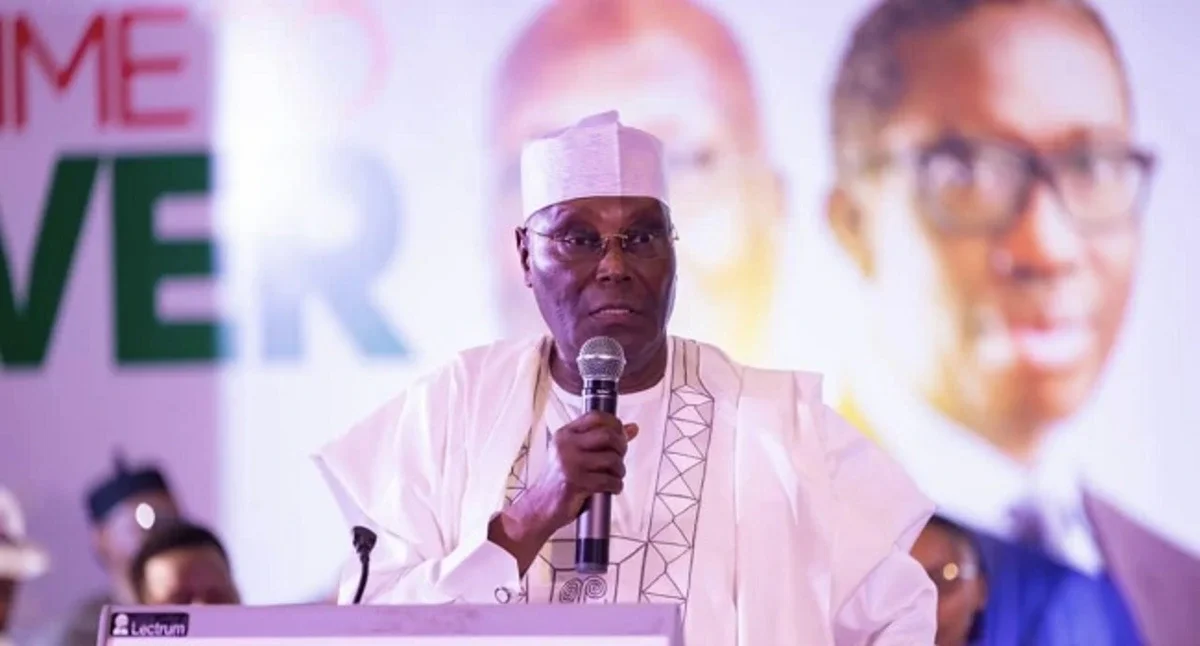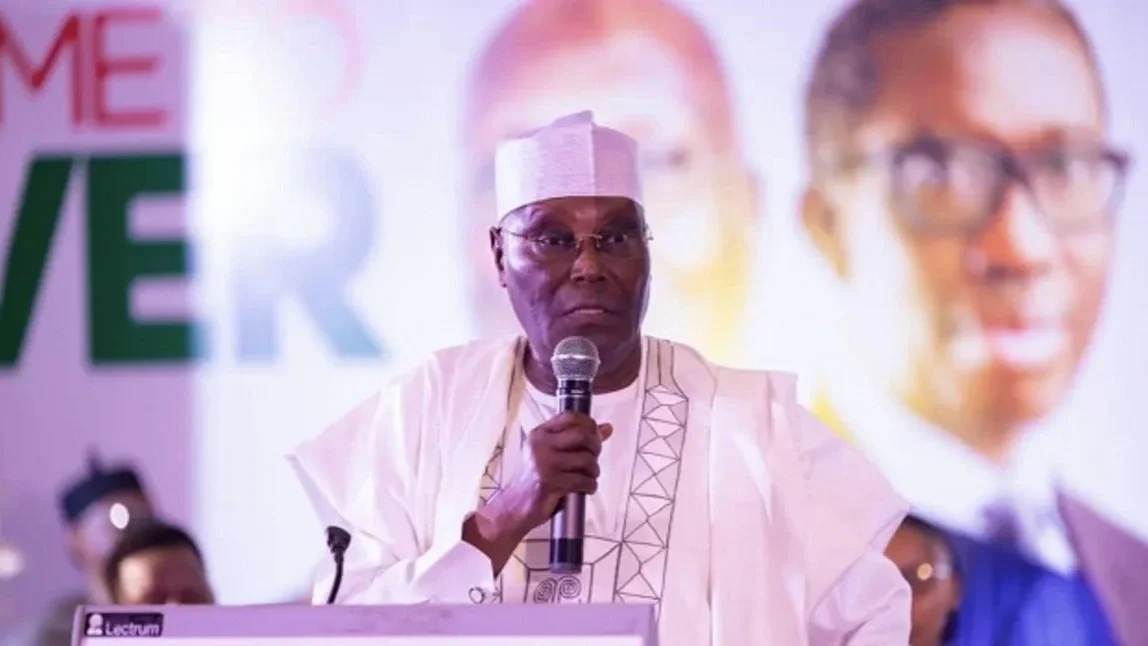
Former Vice-President Atiku Abubakar
Former Vice-President Atiku Abubakar has called on the Federal Government to disclose the projects, costs, contractors and repayment terms attached to its proposed $20.52 billion and €1.045 billion external borrowing plan before the National Assembly approves the request.
/ You Might Also Like /




Atiku, the African Democratic Congress (ADC) presidential candidate, said the government’s failure to provide a project-by-project breakdown makes it difficult for Nigerians and lawmakers to assess how the funds would be spent and whether the expected benefits justify the additional debt.
President Bola Tinubu submitted the supplementary external borrowing plan for 2026–2027 to the National Assembly, seeking financing for infrastructure, agriculture, healthcare, education, water supply, security, employment generation and financial management reforms.
The combined request is worth approximately $21.6 billion, depending on the applicable euro-dollar exchange rate. It remains subject to legislative consideration and approval.
Atiku Seeks Project Costs, Contractors and Repayment Terms
In a statement issued on 27 October through his campaign’s communications team, Atiku urged the National Assembly to suspend consideration of the borrowing request until the government publishes detailed information about the proposed projects.
He said the disclosure should identify each project, its location, estimated cost, contractor, financing terms and repayment obligations.
Atiku argued that listing broad sectors does not provide enough information for the public to evaluate the proposed expenditure or determine who stands to benefit from the investments.
He also warned that lenders and public officials must ensure that any borrowing complies with constitutional requirements, applicable laws and due process.
The former vice-president linked his concerns to the Lagos–Calabar Coastal Highway, alleging that the project’s reported inland rerouting raised questions about the possible use of borrowed funds. These remain political allegations and do not establish that the proposed loans would be diverted for improper purposes.
Proposed Borrowing Comes Amid Rising Public Debt
The loan request arrives as Nigeria continues to manage a substantial public debt burden.
Data from the Debt Management Office showed that total public debt rose to ₦166.79 trillion at the end of June 2026, up from ₦159.35 trillion at the end of March.
The additional borrowing would create further obligations for the government if approved and disbursed. Its long-term cost would depend on the loan terms, interest rates, repayment schedules, currency exposure and the economic returns generated by the funded projects.
External borrowing can help finance infrastructure that the government might struggle to fund from current revenue alone. However, it also exposes public finances to repayment obligations denominated in foreign currencies, making the economic value and implementation quality of funded projects important considerations.
For lawmakers, the task is to assess not only the proposed amount but also the financing conditions, project readiness, expected benefits and the government's capacity to service the debt.
Why the Loan Plan Matters for Housing and Infrastructure
The proposed borrowing includes sectors with direct implications for housing delivery and property development, particularly infrastructure and water supply.
Investments in roads, water systems and other essential infrastructure can improve access to land, support new housing developments and strengthen the viability of residential and commercial projects. Better transport connections can also influence property values and encourage investment in areas that previously lacked adequate infrastructure.
However, these benefits depend on where the government directs the funds, whether projects are completed on schedule and whether infrastructure reaches communities with significant development needs.
For Nigeria’s housing market, project-level disclosure would help stakeholders determine whether the borrowing plan supports infrastructure that can unlock land for development, improve access to services and reduce some of the costs associated with building and maintaining properties.
The potential benefits must also be weighed against future debt-service demands. If borrowing increases fiscal pressure without producing sufficient economic returns, the government could face tighter budget constraints when funding housing programmes and other public services.
The proposal does not yet establish how much funding, if any, will go to specific housing projects or housing-related infrastructure. That information would be necessary to assess its direct implications for the sector.
National Assembly Faces Scrutiny Over Loan Approval
The National Assembly’s consideration of the proposal will determine whether the government receives authorisation to proceed with the requested external borrowing.
Atiku has urged lawmakers to make the supporting documents public and examine the projects and financing arrangements before reaching a decision.
The central questions are whether the government can demonstrate clear public benefits, provide credible project-level cost estimates and establish that the borrowing terms are sustainable.
For investors, developers and housing-sector professionals, the outcome matters because public infrastructure spending can influence land values, development opportunities and the cost of doing business. The allocation of funds and the quality of implementation will be more important than the headline loan amount alone.
Until the government publishes sufficient project-level information and the National Assembly concludes its consideration, the proposed borrowing remains a request rather than an approved financing package.
READ MORE