The Federal Government has highlighted road, rail, electricity and other infrastructure projects across Nigeria’s six geopolitical zones as part of its nationwide development agenda.
President Bola Tinubu’s administration says it will intensify infrastructure development across Nigeria, highlighting road construction, railway projects, electricity initiatives and regional development programmes as priorities for economic growth.
/ You Might Also Like /




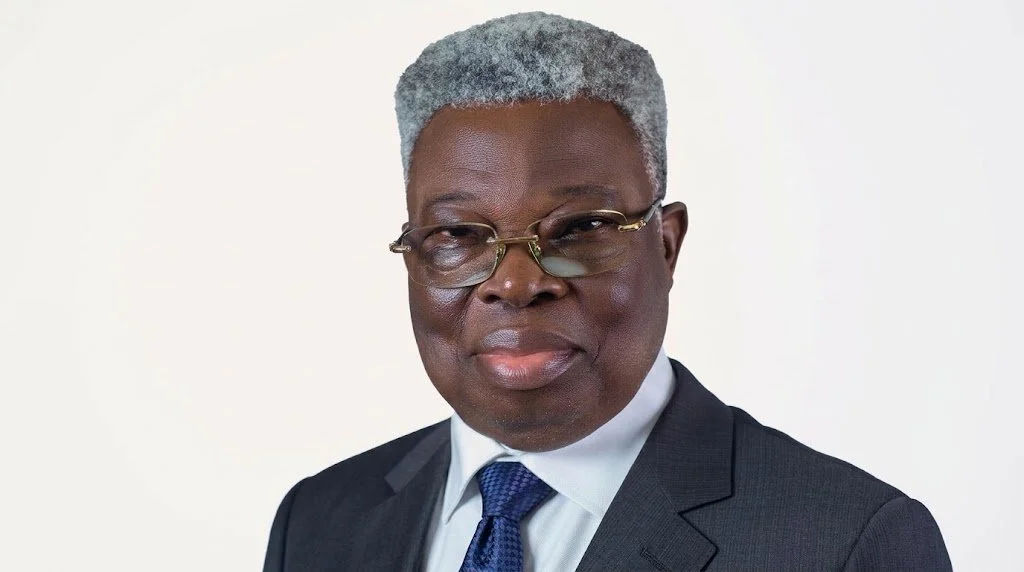
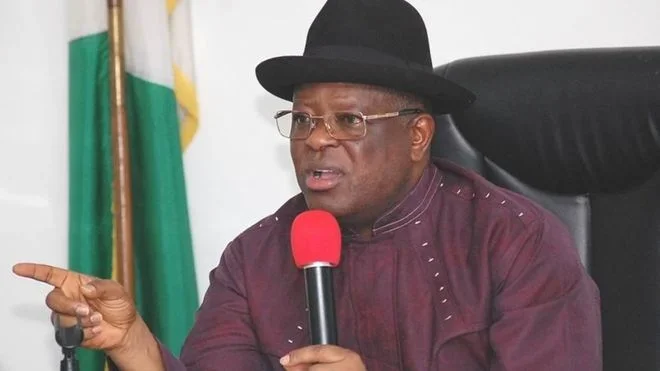
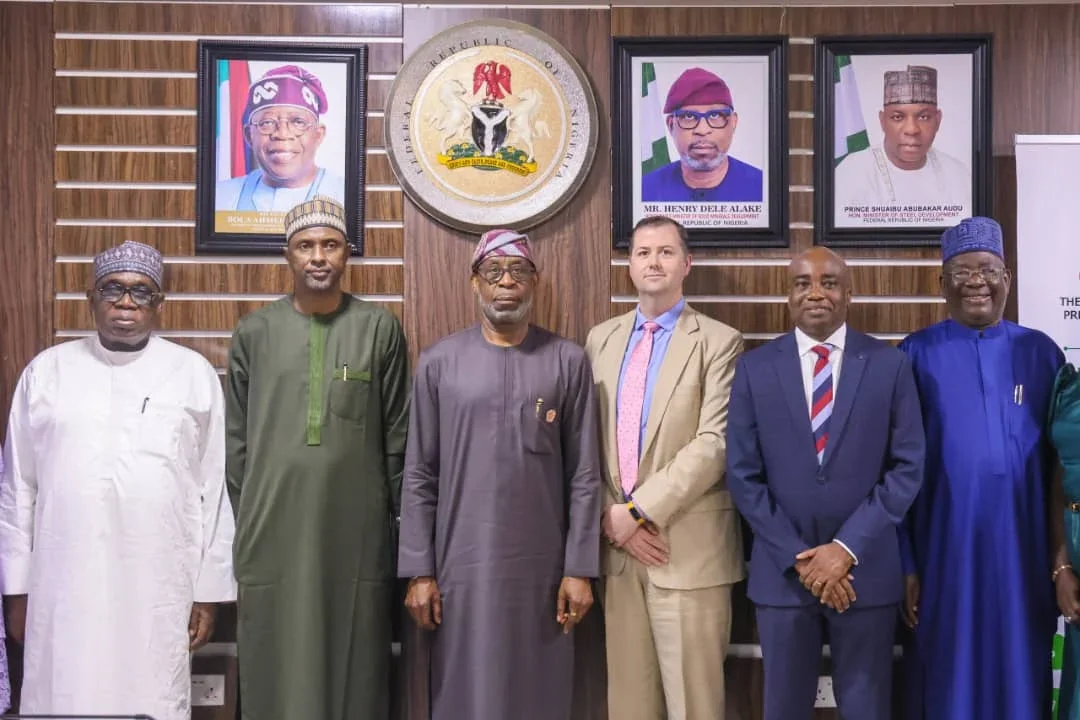
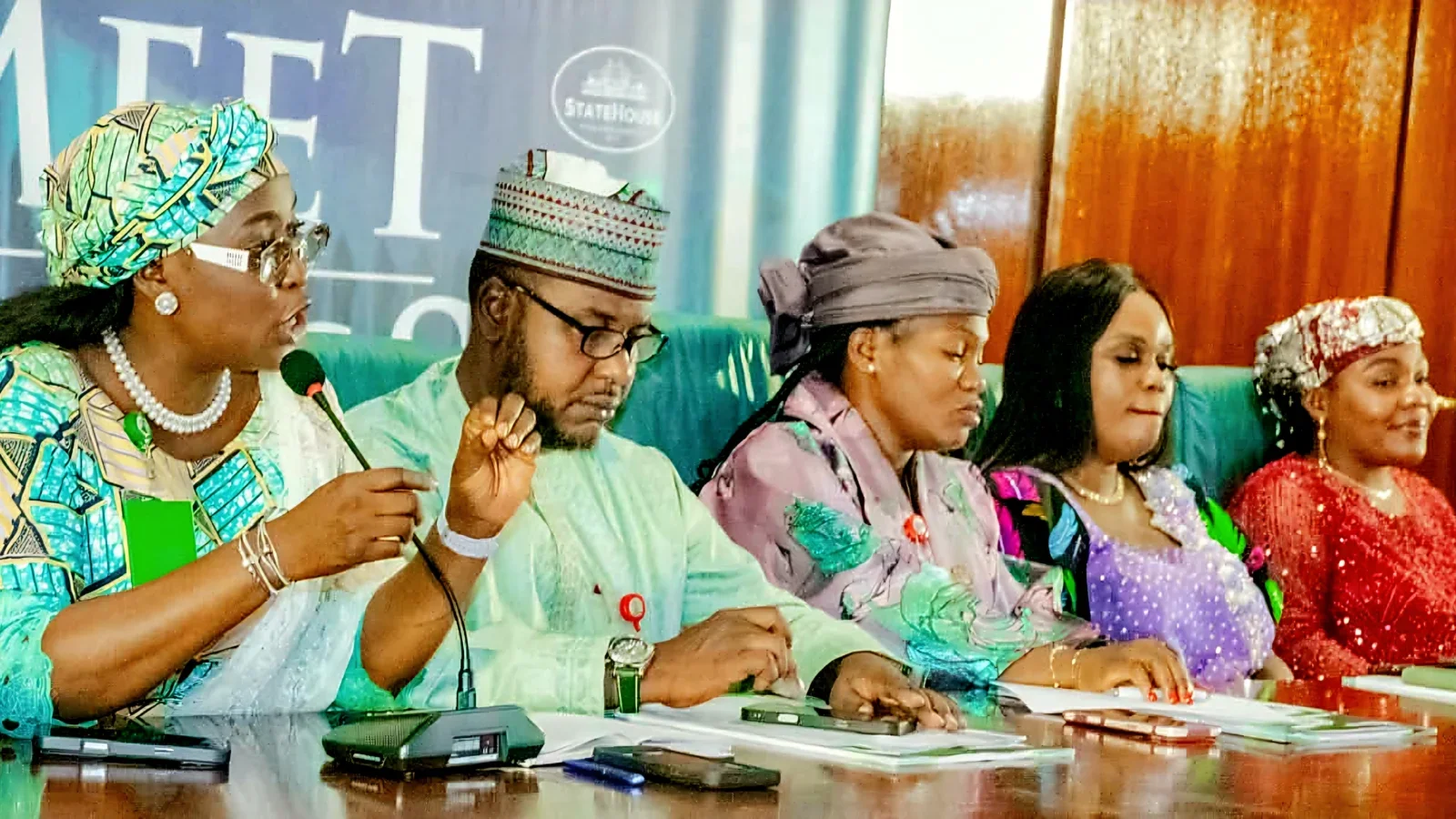
Presidential aides outlined the projects on 27 October during a briefing at the State House in Abuja, presenting the administration’s infrastructure activities across the six geopolitical zones. The officials also serve as zonal directors in the Presidential Campaign Council’s Infrastructure Mobilisation and Sensitisation Directorate ahead of the 2027 general election.
The briefing covered completed road sections, ongoing construction and proposed infrastructure investments. However, the figures and project updates largely reflect the aides’ accounts, making delivery progress, funding and completion timelines important measures for assessing the administration’s claims.
For property developers and investors, the projects with the clearest potential implications are those that improve access to land, connect commercial centres and support economic activity outside established urban hubs.
Road Projects Dominate Infrastructure Updates
In the North-Central region, presidential aide Abiodun Essiet said more than 167 kilometres of roads had been completed, while over 1,207 kilometres were under construction.
Projects highlighted included the Shendam Bridge, Lafia Bypass, Makurdi–Otukpo–9th Mile Road and Abuja–Lokoja Highway. Essiet also drew attention to the Mokwa–Bida Road in Niger State, describing it as a longstanding infrastructure challenge.
In the North-West, Abdullahi Tanko Yakassai highlighted reconstruction of the Abuja–Kaduna–Zaria–Kano Highway using concrete pavement technology. He also identified the proposed Sokoto–Badagry Superhighway and Kaduna–Kano railway among projects expected to improve regional transport and commercial activity.
For the South-East, Chioma Nweze said approximately 1,000 kilometres of road projects were ongoing. These included the Enugu–Onitsha and Enugu–Port Harcourt highways, alongside interventions around the First and Second Niger bridges.
In the South-South, Gift Johnbull highlighted the Lagos–Calabar Coastal Highway, East–West Road reconstruction, Benin–Agbor Road interventions and Kaa–Ataba Bridge in Rivers State.
The North-East briefing focused on road links connecting Akwanga, Jos, Gombe and Biu, alongside other transport and public-service infrastructure projects.
Although the projects cover several regions, their eventual economic impact will depend on completion, road quality, travel-time improvements and reliable connections to commercial centres.
Infrastructure Could Open New Areas for Property Development
Roads and transport corridors can influence property markets by reducing travel times, improving access to employment and connecting previously underserved locations to commercial activity.
For developers, improved connectivity can make land more practical for residential estates, industrial facilities and commercial developments. It can also improve access to construction sites and help businesses transport building materials and other supplies.
The proposed Sokoto–Badagry Superhighway, for example, is intended to connect communities and commercial centres across a long north-to-south corridor. If delivered effectively, such infrastructure could create opportunities around selected transport nodes and improve access to agricultural and industrial markets.
Similarly, road improvements around the South-East’s commercial centres and the South-South’s transport corridors could support business expansion and strengthen demand for suitable commercial and residential property.
However, infrastructure announcements do not automatically translate into higher property values or successful developments. Investors must still consider land title, local planning rules, access to electricity and water, construction costs and actual demand for property.
The timing of infrastructure delivery is also important. Land speculation can push prices higher before roads and services become operational, leaving buyers exposed if projects are delayed or fail to deliver the anticipated benefits.
Electricity and Regional Development Remain Important
Beyond roads, the presidential aides highlighted electricity initiatives, agricultural support, rural markets, education and healthcare projects.
In the South-East, Nweze pointed to proposed expansion of household gas distribution and the establishment of the South-East Development Commission. In the North-Central, Essiet cited solar-powered electricity initiatives alongside agricultural support and rural market development.
Reliable energy and essential services are important to housing and property development because they affect construction activity, building operating costs and the attractiveness of locations to residents and businesses.
Rural markets and improved transport connections can also support economic activity beyond major cities, potentially creating demand for housing, warehouses, shops and other commercial property where local employment and investment expand.
The benefits will depend on whether these initiatives receive adequate funding and reach communities that currently lack essential infrastructure.
Delivery and Funding Will Determine the Impact
The administration’s infrastructure agenda covers a wide range of projects, but the briefing did not provide a consolidated account of funding, expenditure, delivery schedules and completion status for every project mentioned.
Those details matter to investors and property-sector stakeholders seeking to distinguish operational infrastructure from work still under construction or projects awaiting implementation.
A useful assessment of progress would track completed road kilometres, project costs, delivery dates, maintenance requirements and the extent to which infrastructure improves access to communities and commercial centres.
For NHM readers, the central issue is not simply the number of projects announced, but whether they make land more accessible, reduce the cost of doing business and support viable housing and commercial development.
The government’s stated intention to intensify infrastructure investment sets out its direction. The next test is whether projects are completed on schedule and deliver measurable benefits to households, businesses and property markets across the country.
READ MORE