Stakeholders Debate Demolition of Properties Linked to Kidnapping
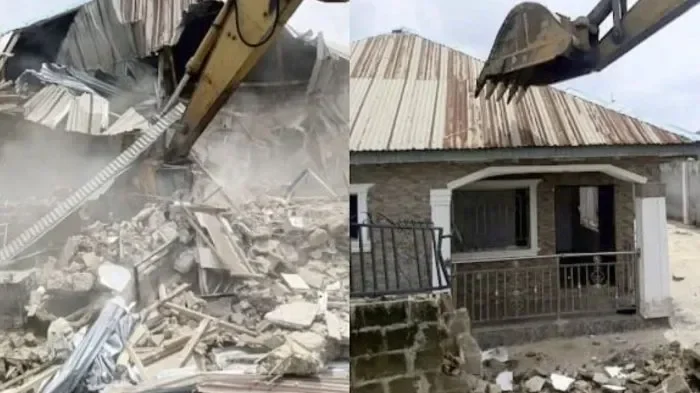
Demolition of Kidnapping Hideouts Raises Questions Over Due Process
The demolition of buildings allegedly used for kidnapping operations has sparked a broader national debate over the balance between public safety, constitutional property rights and due process. While many Nigerians have welcomed the policy as a strong deterrent against organised crime, legal practitioners, urban planning professionals and civil society groups argue that enforcement must remain consistent with the rule of law and established legal procedures.
/ You Might Also Like /




The discussion follows recent demolitions of properties linked to alleged kidnapping activities in Oyo State after security agencies rescued victims from the affected locations. The actions have generated mixed reactions, with supporters viewing the demolitions as a decisive security measure and critics questioning the legal basis for destroying privately owned property before the conclusion of judicial proceedings.
Supporters Back Stronger Measures Against Kidnapping
Supporters of the demolition policy argue that buildings deliberately used as operational bases for kidnapping and other violent crimes should not remain in use. They contend that removing such structures demonstrates the government's resolve to combat organised crime, discourages property owners from allowing criminal activities on their premises and reinforces public confidence in security agencies.
Some security analysts also believe the policy could complement broader law enforcement efforts by disrupting criminal networks and denying them access to established operational locations.
Legal Experts Raise Due Process Concerns
Legal practitioners and human rights advocates, however, caution that any demolition involving privately owned property should comply with constitutional protections and existing legal procedures. They argue that questions of ownership, criminal liability and appropriate sanctions should be determined through the courts to prevent unintended consequences for innocent parties, including tenants, family members and financial institutions with legitimate interests in affected properties.
Stakeholders have therefore called for clear legal frameworks that define the circumstances under which demolition may be carried out and the evidentiary standards required before such action is taken.
Implications for the Property Sector
The debate also has implications for Nigeria's real estate industry. Developers, investors and property owners have emphasised the importance of legal certainty in protecting investment and maintaining confidence in the property market. Industry observers note that while tackling criminal activities is essential, enforcement measures should remain predictable, transparent and consistent with established property laws.
Urban planning professionals further argue that stronger development control, accurate property records and improved land administration can help authorities identify ownership structures more efficiently and strengthen accountability within the built environment.
Balancing Security and Property Rights
Analysts broadly agree that combating kidnapping requires a combination of effective policing, intelligence gathering, judicial enforcement and community engagement. At the same time, they stress that measures affecting private property should uphold constitutional safeguards to ensure that security objectives do not undermine legal protections or investor confidence.
Conclusion
The growing debate over the demolition of buildings linked to kidnapping highlights the complex intersection of public security, property rights and the rule of law. As governments continue to strengthen anti-crime measures, stakeholders are calling for clear legal guidelines that support effective law enforcement while preserving due process and maintaining confidence in Nigeria's property and investment environment.
READ MORE