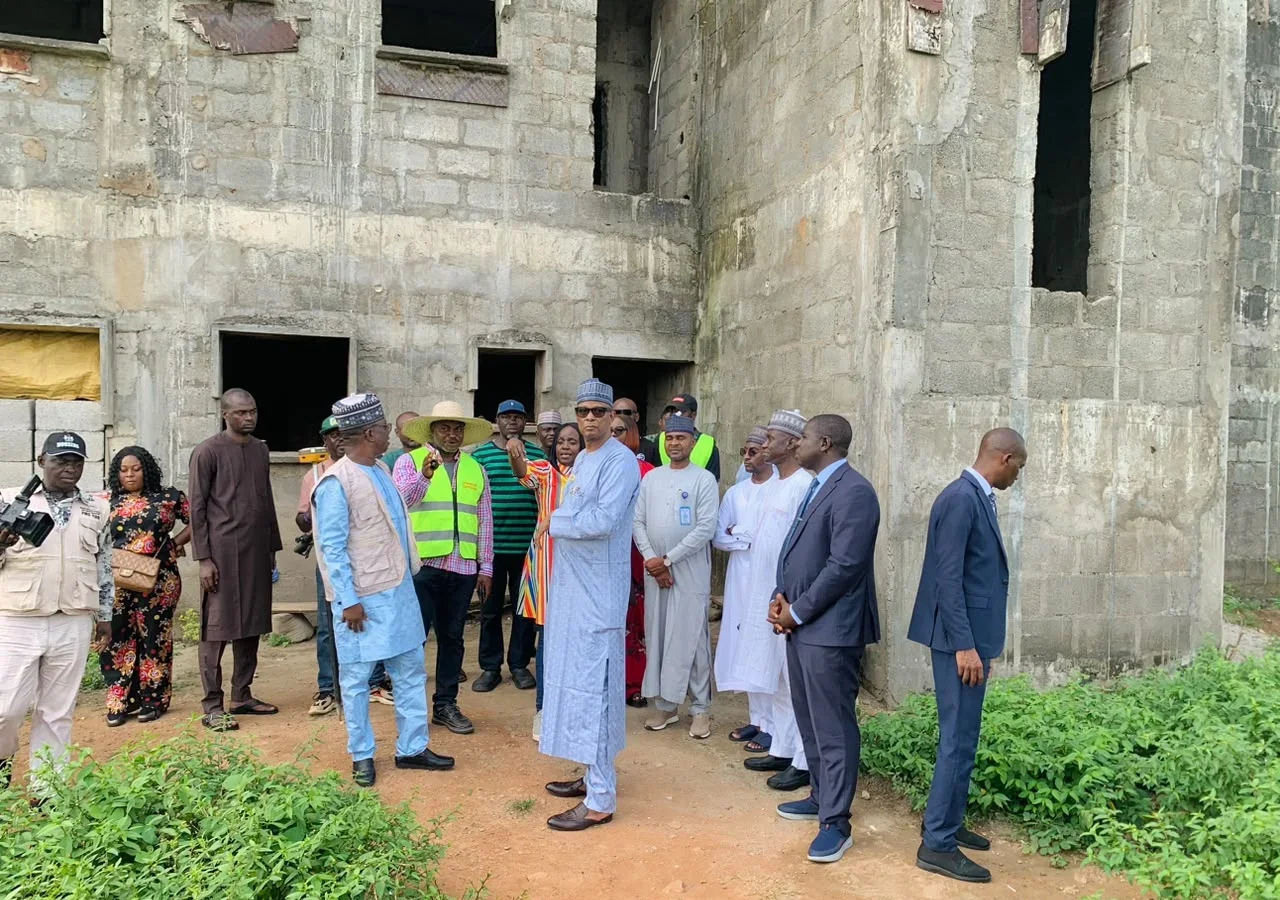
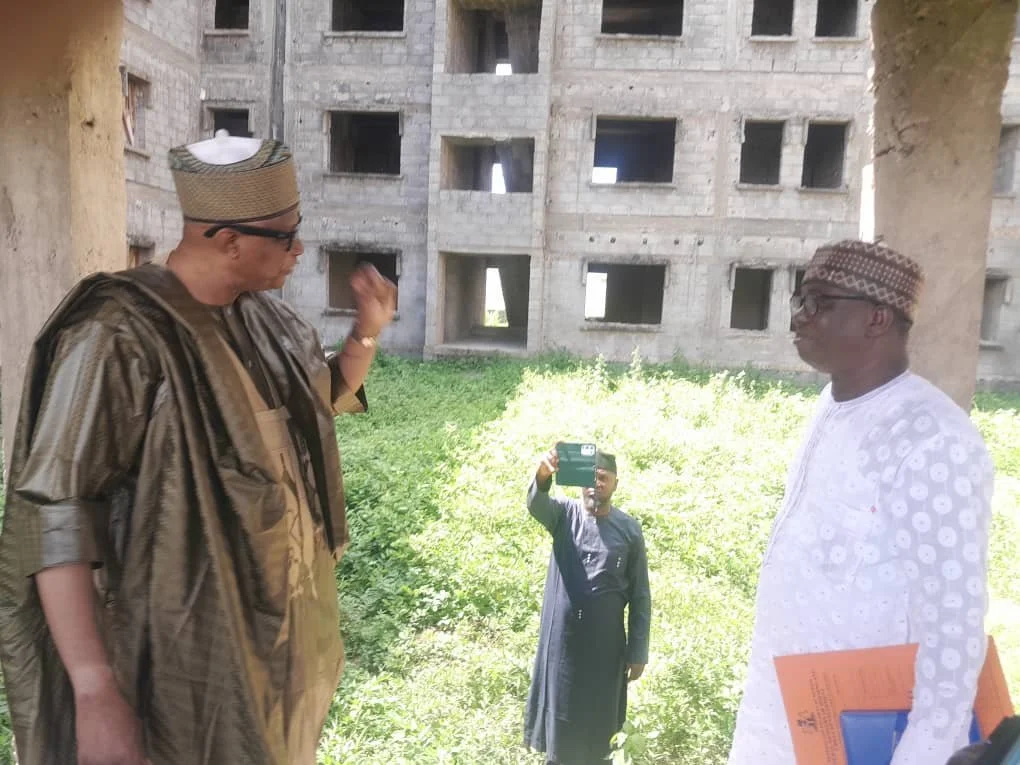
Ghost Estates Leave Nigerian Property Buyers With Trapped Cash
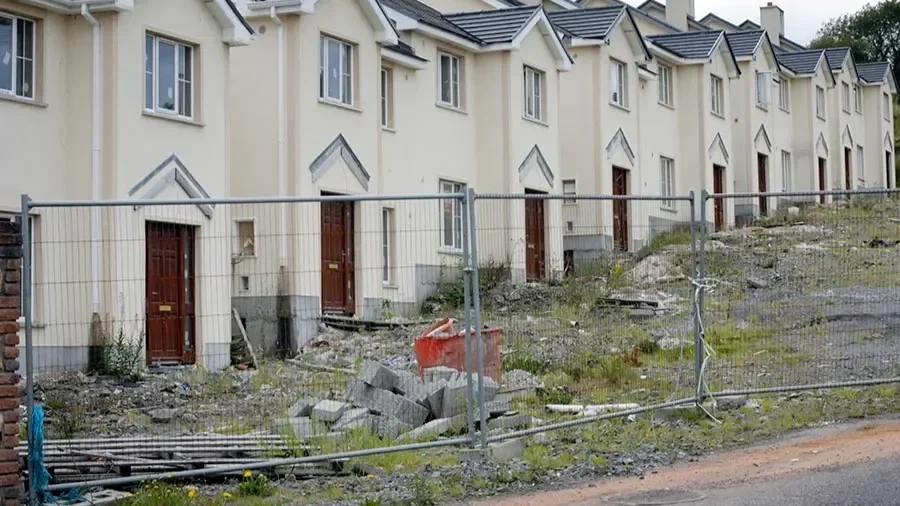
Stalled estates leave buyers with trapped capital.
Nigerian property buyers are increasingly facing the risk of having their money tied up in residential estates that fail to progress beyond ambitious launch plans, according to a BusinessDay report published on August 12, 2026. The report highlights how weak project financing, delayed infrastructure, poor governance and unrealistic development timelines can leave buyers holding illiquid land in stalled or sparsely developed estates.
/ You Might Also Like /




The problem exposes a significant gap between marketing an estate and delivering a functioning community. Industry professionals cited by BusinessDay say buyers often focus on brochures, master plans and projected infrastructure without adequately assessing whether a developer has the capital, approvals and execution capacity required to complete the project.
Estate launches do not guarantee development
According to Abuja-based realtor and real estate educator Chijioke Adimike, an estate launch represents a sales milestone rather than proof that development has been secured.
A functioning estate requires sustained capital, regulatory approvals, infrastructure delivery, construction sequencing and sufficient buyer demand. Without these elements, a project can remain at the planning or early construction stage for years.
This distinction is particularly important in Nigeria, where developers frequently market estates before completing roads, drainage, electricity and other supporting infrastructure.
BusinessDay's report notes that buyers can be attracted by ambitious master plans and phased-development promises, only to find that construction slows or stops after they have committed their funds.
Weak financing can stall estate projects
One of the major risks identified in the report is the financial structure behind an estate.
Professional land surveyor and GIS expert Abolade Durowoju said some estates depend heavily on off-plan subscriber payments to finance infrastructure, without maintaining adequate capital reserves.
This model creates a vulnerability when sales slow.
If fewer buyers make payments, the developer has less cash available for infrastructure. Delayed construction can then reduce buyer confidence, which can further weaken sales and create a cycle of declining investment and stalled development.
For buyers, the consequence is that their investment may remain tied to a project whose completion depends heavily on future sales.
Infrastructure delays reduce investment appeal
The availability and sequencing of infrastructure also determine whether an estate can transition into a functioning neighbourhood.
Roads, drainage, electricity and access routes are among the infrastructure components that can determine whether residents and businesses are willing to occupy an estate.
An estate located several kilometres away from established infrastructure may also face a longer development timeline if surrounding roads and services fail to expand as expected.
Durowoju warned that investors can hold land for years while waiting for infrastructure growth to reach a development.
That waiting period creates an opportunity cost for investors, particularly when comparable investments elsewhere begin generating income or appreciating faster.
Land ownership does not guarantee appreciation
A major misconception in the property market is that buying land automatically guarantees capital appreciation.
Land values generally benefit from population growth, infrastructure investment, economic activity, accessibility and demand. When those factors fail to materialise, a plot inside an undeveloped estate may remain difficult to sell at a significant premium.
The BusinessDay report notes that investors in stalled estates can face declining liquidity because prospective buyers may be unwilling to pay higher prices for property within an incomplete development.
In some cases, owners may eventually accept limited gains simply to recover their capital and exit the project.
Governance and regulatory risks also matter
The risks extend beyond financing.
Weak developer coordination, inconsistent communication, internal disputes and regulatory non-compliance can also prevent an estate from progressing.
These risks may remain difficult for buyers to identify during the sales stage because marketing materials typically present the completed vision rather than the operational challenges behind the project.
For prospective buyers, this makes due diligence particularly important before committing funds.
Master plans need financial backing
A master plan can demonstrate how a developer intends to organise roads, housing, commercial areas, recreational facilities and other infrastructure.
However, a plan does not establish that the developer has sufficient financial capacity to deliver the proposed development.
Durowoju stressed that actual development requires capital, coordination, infrastructure sequencing and sustained execution.
For buyers and investors, the distinction means that the quality of a master plan should be assessed alongside the developer's track record, financing structure, approvals and evidence of work already completed.
Stalled estates create wider housing-market implications
The problem has implications beyond individual investors.
Nigeria continues to face substantial housing demand, yet land that remains undeveloped after purchase does not contribute meaningfully to the supply of completed homes.
When large areas are tied up in stalled developments, the land remains unavailable for productive residential use even though buyers have already committed capital.
This can contribute to inefficient land utilisation and delay the expansion of properly serviced neighbourhoods.
For developers, it also highlights the importance of matching project scale with available financing and realistic demand rather than launching developments that cannot be sustained.
Buyers need deeper due diligence
The report highlights the importance of investigating an estate before making payments.
Potential buyers should examine the developer's previous projects, development history, title documentation, planning approvals, infrastructure commitments and construction progress.
They should also establish how infrastructure will be financed and whether the developer has sufficient capital beyond buyer deposits.
The physical location deserves equal attention. Buyers should assess existing access roads, surrounding development, utilities and the likelihood of future infrastructure reaching the estate.
These checks can help distinguish a development with a credible execution pathway from one that relies primarily on future sales and projections.
Implications for developers and investors
The growing risk of stalled estates also places greater emphasis on accountability within Nigeria's property-development industry.
Developers that maintain transparent communication, realistic timelines, adequate financing and consistent infrastructure delivery can build stronger buyer confidence.
For investors, the lesson is that projected returns should not be assessed solely on land prices or promised future infrastructure.
The ability of a developer to execute the project remains a critical component of the investment's underlying value.
Outlook
The rise of stalled or sparsely developed estates highlights one of the less visible risks in Nigeria's property market: capital can become trapped when land purchases are tied to projects that fail to develop.
For buyers, the central lesson is that an estate launch, attractive master plan or early sales success does not guarantee completion. Financing strength, regulatory compliance, infrastructure delivery, location and developer execution capacity ultimately determine whether a planned estate becomes a functioning community.
For Nigeria's housing market, improving transparency around estate development and strengthening buyer due diligence could help direct private capital towards projects capable of delivering actual housing and infrastructure rather than leaving funds tied up in incomplete developments.
READ MORE