Dangote Refinery Diversifies Crude Supply with First UAE Imports
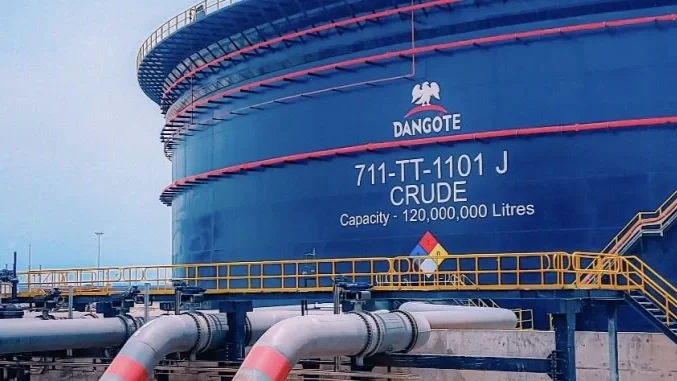
First UAE Crude Shipment Strengthens Dangote Refinery's Supply Chain
Dangote Petroleum Refinery has imported its first-ever crude oil cargoes from the United Arab Emirates (UAE), marking a significant expansion of its feedstock sourcing strategy. The move comes as the refinery seeks to strengthen supply security, maintain high production levels and reduce its dependence on domestic crude amid ongoing supply constraints in Nigeria.
/ You Might Also Like /




According to industry reports, the refinery has purchased two cargoes of UAE crude, representing its first imports from the Middle East since operations began. The shipments reflect the refinery's broader strategy of diversifying crude sources to support stable operations and improve supply flexibility in an increasingly competitive global energy market.
Strategic Shift in Crude Procurement
The UAE cargoes add to the refinery's expanding portfolio of imported crude grades. In 2026, Dangote Refinery has also sourced crude from Angola, Ghana, Libya and Guyana, complementing supplies from Nigeria and previously imported United States crude. The broader procurement strategy is designed to ensure uninterrupted refinery operations while allowing the facility to process a wider range of crude grades.
Industry analysts noted that the refinery's ability to process multiple crude types strengthens operational flexibility and reduces exposure to disruptions affecting any single supply source. The latest purchases also follow improved shipping conditions in the Middle East after earlier concerns over maritime security eased.
Domestic Supply Challenges Drive Diversification
The refinery's latest imports come against the backdrop of persistent challenges in securing adequate domestic crude supplies. Despite Nigeria's domestic crude supply obligations, refiners have continued to report difficulties obtaining allocated volumes, prompting greater reliance on imported feedstock to sustain production.
Diversifying crude procurement enables the refinery to maintain production targets while reducing operational risks associated with supply shortages. The strategy also supports the company's ambition to expand the number of crude grades it can process and strengthen its position in regional and international petroleum markets.
Strengthening Nigeria's Refining Capacity
Dangote Refinery has continued to expand production since commencing operations, supplying petrol, diesel, aviation fuel and other refined petroleum products to the domestic market while increasing exports to other African countries and international markets. Recent performance tests showed the facility operating above its nameplate capacity of 650,000 barrels per day, underscoring its growing importance to Nigeria's energy sector.
The refinery has also announced plans to double its refining capacity to 1.4 million barrels per day by 2028, reinforcing its long-term strategy of becoming a major global refining hub.
Implications for Industry and Infrastructure
For Nigeria's industrial and infrastructure sectors, a more diversified crude supply chain strengthens energy security and improves the reliability of domestic fuel production. Stable refining operations can help reduce dependence on imported petroleum products, improve supply availability for industries, and support sectors such as construction, manufacturing and transportation that rely heavily on fuel.
The development also reflects a broader trend towards supply chain resilience in strategic industries. By broadening its procurement network, Dangote Refinery is positioning itself to respond more effectively to fluctuations in global energy markets while supporting Nigeria's long-term industrialisation objectives.
Conclusion
Dangote Refinery's first crude imports from the UAE represent an important milestone in its evolving supply strategy. As the company expands its range of feedstock sources, it is strengthening operational resilience, enhancing energy security and reinforcing Nigeria's ambition to build a more self-sufficient and globally competitive refining industry. The move is expected to support sustained refinery operations while contributing to broader industrial and economic development.
READ MORE