LWC, Julius Berger Seek Stronger Coordination on Lagos Infrastructure
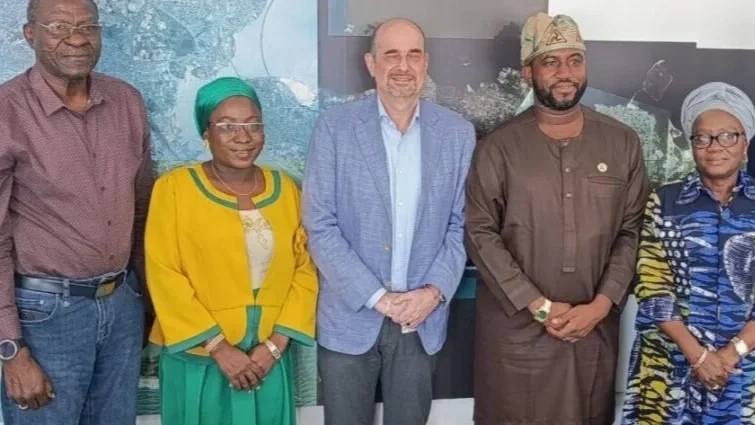
Lagos Water Corporation, Julius Berger Seek Integrated Infrastructure Planning
The Lagos Water Corporation (LWC) has begun discussions with Julius Berger Nigeria Plc to improve coordination between road construction and water infrastructure projects across Lagos Island and surrounding areas.
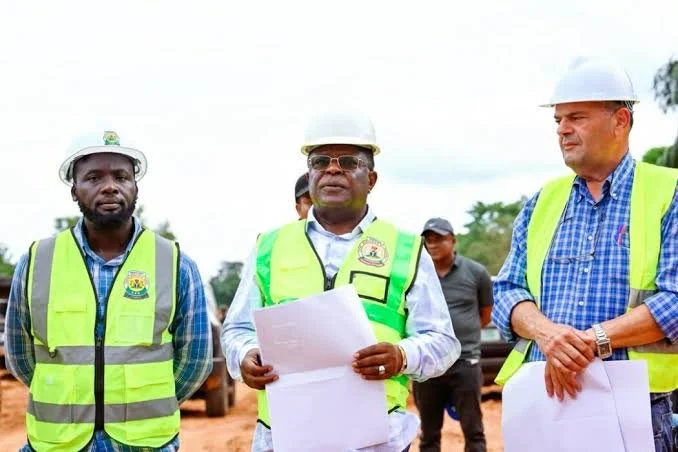
The engagement followed a familiarisation visit by LWC Managing Director Mukhtaar Tijani to Julius Berger’s Ijora office on August 12, 2026. The discussions focused on protecting existing water pipelines during road construction, improving access to technical information and strengthening planning for future infrastructure projects.
/ You Might Also Like /




LWC seeks better coordination between road and water projects
The two organisations identified early communication and technical coordination as important measures for preventing conflicts between road projects and existing water infrastructure.
LWC said better coordination would help minimise disruptions to water networks when construction activities take place and support more efficient delivery of infrastructure.
The meeting also examined the need for greater access to project drawings and technical information. Julius Berger explained that detailed project drawings remain subject to approval from the relevant client, prompting both organisations to agree on the need for engagement with the Lagos State Government to secure the necessary approvals.
Pipeline data to support future urban development
Accurate information on the location and condition of water pipelines was another major focus of the discussions.
The information is important not only for road construction but also for future urban development, as new buildings, roads and other infrastructure increasingly compete for space within Lagos's densely developed areas.
Better mapping and information-sharing could allow infrastructure agencies and contractors to identify existing networks before construction begins and reduce the risk of damage to critical water infrastructure.
Borehole expansion raises groundwater concerns
The LWC delegation also raised concerns about uncoordinated borehole drilling and its potential impact on groundwater resources and the wider ecosystem.
Participants noted that stronger public water supply infrastructure could reduce households' and businesses' dependence on individual boreholes.
For Lagos, improving the reliability of public water supply could therefore have implications beyond water access, including groundwater management and the long-term sustainability of urban development.
Infrastructure coordination has implications for housing development
The need for stronger coordination is particularly relevant to Lagos's housing market, where residential development continues to expand across already congested urban areas.
Roads, water networks, drainage, electricity and other infrastructure systems form the foundation of functioning residential communities. When infrastructure projects operate without adequate coordination, construction can result in service disruptions, damaged networks or additional costs for subsequent projects.
Better integration between infrastructure agencies and contractors could help developers plan around existing networks and reduce avoidable delays during construction.
Julius Berger stresses early stakeholder engagement
Julius Berger's Regional Commercial Manager for Region West, Alexander Bauer, stressed the importance of engaging relevant stakeholders before construction activities begin.
He reaffirmed the company's commitment to sustainable engineering solutions and said proper coordination should take place before projects commence rather than relying on short-term solutions after conflicts emerge.
This approach could help improve project efficiency while reducing the risks associated with unexpected infrastructure conflicts.
Information sharing to improve project delivery
The organisations also agreed on the importance of sharing information on construction activities, road conditions, project schedules and potential disruptions.
Such information can help infrastructure operators anticipate potential impacts on surrounding communities and services.
The discussions also covered security and community considerations, with Julius Berger noting its engagement with relevant authorities on security infrastructure within the area.
Implications for Lagos's urban infrastructure
Lagos continues to face the challenge of delivering infrastructure within a densely populated and rapidly expanding urban environment.
The coordination between water and road infrastructure stakeholders could become increasingly important as the state undertakes more road construction, urban renewal and housing development.
For property developers, reliable infrastructure remains a critical factor in determining the viability and long-term value of residential and commercial developments.
Improved coordination could therefore contribute indirectly to more predictable construction timelines and better-serviced neighbourhoods.
Outlook
The engagement between LWC and Julius Berger highlights the importance of integrating water and transport infrastructure planning as Lagos continues to expand.
The immediate focus remains on protecting existing pipelines, improving technical information-sharing and ensuring early communication before construction begins. In the longer term, stronger coordination between infrastructure agencies, contractors and government authorities could support more resilient urban development and reduce avoidable disruptions.
For Lagos's housing market, the quality and reliability of basic infrastructure will remain central to the development of sustainable communities as the city continues to accommodate population growth and new property investment.
READ MORE