REDAN Calls for Criminal Prosecution Over Recurring Building Collapses
Real Estate Developers Call for Criminal Sanctions Over Building Collapses
The Real Estate Developers Association of Nigeria (REDAN), Lagos Chapter, has called for the criminal prosecution of developers, contractors, consultants, property owners and public officials found responsible for violations that lead to building collapses. The association said stronger enforcement of building regulations and legal accountability are essential to addressing the recurring structural failures that continue to claim lives and destroy property across the country.
/ You Might Also Like /




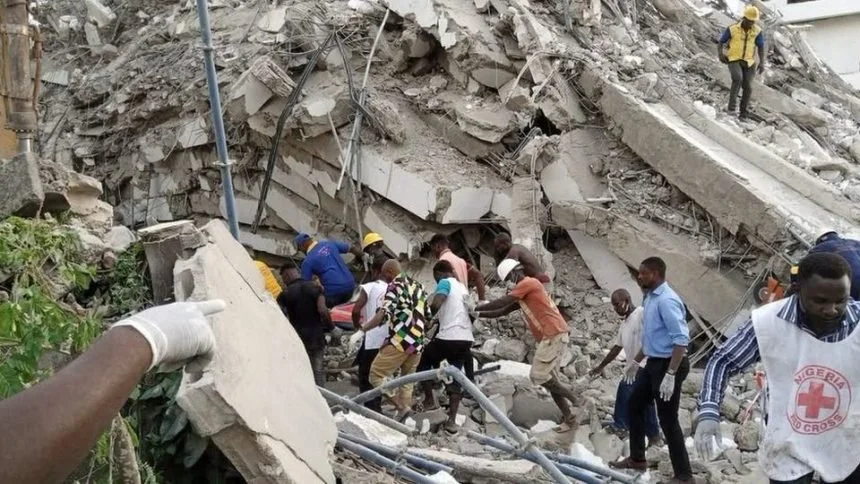
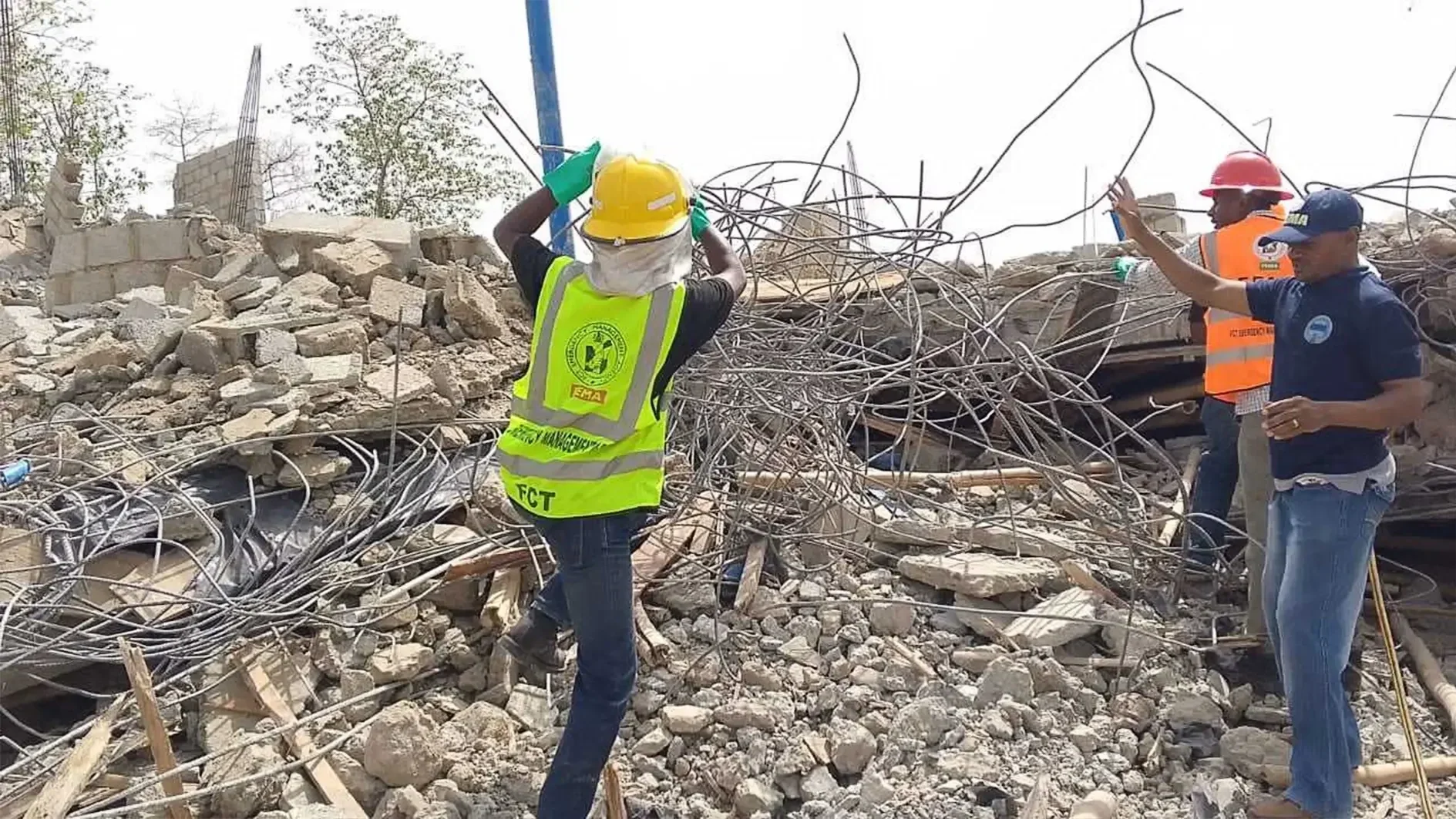
The call follows the recent collapse of a five-storey building in Port Harcourt and a three-storey building in the Alakija area of Lagos, incidents that have renewed concerns over compliance with construction standards and the effectiveness of Nigeria's building control system. REDAN described the tragedies as preventable, arguing that they resulted from regulatory failures, poor supervision and deliberate non-compliance with established building standards.
REDAN Blames Weak Enforcement and Regulatory Failures
Chairman of REDAN, Lagos Chapter, Dr Tony Aspire Kolawole, said building collapses should no longer be regarded as unavoidable accidents but as consequences of negligence and weak regulatory oversight. He attributed many incidents to the use of substandard materials, compromised approval processes, inadequate professional supervision and failure to comply with statutory inspections.
According to the association, stronger enforcement of existing regulations, combined with greater accountability for all parties involved in the construction process, is necessary to improve public safety and restore confidence in the real estate sector.
Call for Criminal Sanctions
REDAN urged state governments to move beyond the demolition of defective structures by ensuring that individuals found culpable face criminal prosecution where appropriate. The association argued that demolition alone has not served as an effective deterrent and that legal sanctions are required to discourage negligence and repeated violations of building regulations.
The association also called on the Lagos State Building Control Agency (LASBCA) and similar agencies across the country to intensify structural integrity inspections, particularly in densely populated urban areas where ageing buildings and weak compliance present heightened risks.
Legislative Reforms and Professional Standards
REDAN further appealed to the Lagos State House of Assembly to strengthen existing building control legislation by introducing stricter penalties for regulatory violations, closing legal loopholes and enhancing oversight of the construction industry. The association maintained that stronger legislation should be supported by effective implementation to improve compliance and public safety.
The organisation also encouraged developers and other professionals in the built environment to uphold ethical standards and prioritise quality construction, warning that poor professional practices continue to undermine confidence in the sector.
Implications for the Housing Sector
The association's recommendations highlight the growing importance of regulatory compliance in Nigeria's real estate and construction industries. Effective building control systems help safeguard lives, protect property investments and strengthen investor confidence by ensuring that developments meet approved engineering and safety standards.
For developers and investors, stronger enforcement could improve industry credibility, reduce the incidence of defective buildings and encourage higher professional standards across the housing value chain. It also reinforces the need for greater collaboration between regulators, professional bodies and construction firms to improve compliance and project quality.
Conclusion
REDAN's call for criminal prosecution of those responsible for building collapses reflects increasing demands for stronger accountability within Nigeria's construction sector. As authorities review building safety practices following recent incidents, industry stakeholders are urging governments to complement regulatory enforcement with legal sanctions, strengthened legislation and improved oversight to reduce future building failures and protect public safety.
READ MORE