FG Restricts Commercial Motorcycles and Truck Parking on Lagos-Calabar Coastal Highway
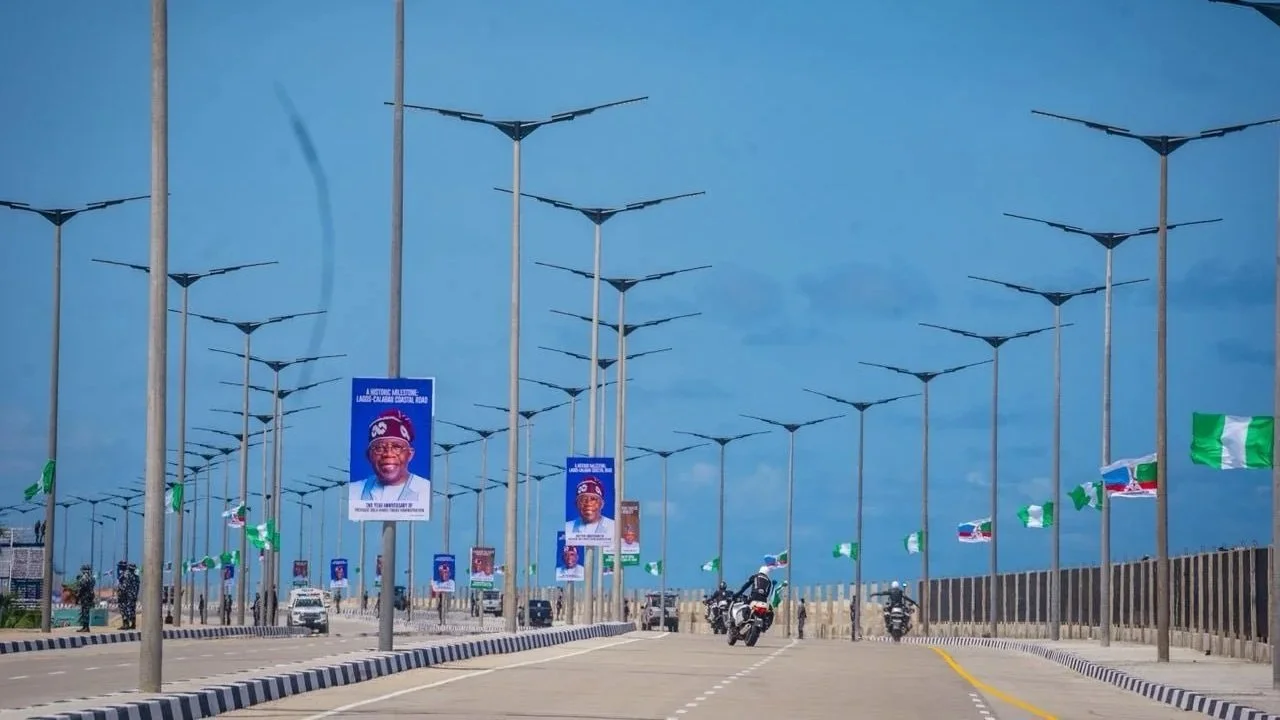
Government Moves to Protect Lagos-Calabar Coastal Highway from Misuse
The Federal Government has introduced new traffic restrictions on the Lagos–Calabar Coastal Highway, prohibiting commercial motorcycles (okada), tricycles and the indiscriminate parking of trucks and articulated vehicles along the corridor. The measures are intended to protect the newly constructed highway, improve road safety and preserve one of Nigeria's flagship transport infrastructure projects.
/ You Might Also Like /




The directive was announced by the Federal Controller of Works in Lagos State, Olufemi Dare, who said the restrictions would take effect immediately. According to the Ministry of Works, the new regulations form part of a broader infrastructure protection and traffic management strategy designed to prevent misuse and premature deterioration of the highway.
Restrictions Extend to Bridges Across Lagos
Beyond banning commercial motorcycles and tricycles from using the expressway, the government also prohibited indiscriminate parking by trucks and articulated vehicles along the highway and on bridges across Lagos State. Authorities said roadside parking obstructs traffic flow, creates safety hazards and could damage critical infrastructure if left unchecked.
The Ministry also announced a ban on indiscriminate refuse disposal along highway corridors, describing the practice as harmful to road infrastructure, drainage systems and environmental sanitation. Officials warned that enforcement would be strict, with task force personnel deployed to strategic locations to ensure compliance. Road signs outlining the new restrictions have already been installed along the corridor.
Protecting a Strategic National Infrastructure Asset
According to the Federal Controller of Works, the Lagos–Calabar Coastal Highway represents a world-class transport asset that requires effective management and routine protection to maximise its lifespan and economic value. The government said preserving the integrity of the highway is essential to ensuring long-term efficiency, reducing maintenance costs and supporting safe movement of people and goods.
The Lagos–Calabar Coastal Highway is one of the Federal Government's flagship infrastructure projects, designed to strengthen regional connectivity, facilitate trade and improve transportation across Nigeria's southern coastal corridor. Construction is progressing in phases, with completed sections already opened to traffic.
Implications for Infrastructure Management
The latest restrictions reflect the growing emphasis on protecting newly completed infrastructure through stronger traffic regulation and operational controls. Infrastructure experts have consistently noted that effective asset management including traffic enforcement, routine maintenance and environmental protection is essential to extending the service life of major transport investments.
For developers, logistics operators and investors, the policy signals the government's intention to adopt stricter operational standards for strategic infrastructure while safeguarding public investment. Better highway management can improve transport efficiency, reduce maintenance expenditure and enhance the reliability of national transport networks.
Conclusion
The Federal Government's decision to restrict commercial motorcycles, tricycles and indiscriminate truck parking on the Lagos-Calabar Coastal Highway marks a significant step in protecting one of Nigeria's largest transport infrastructure investments. As enforcement begins, the measures are expected to improve road safety, strengthen infrastructure management and preserve the long-term functionality of the coastal highway.
READ MORE