Tinubu Takes Heat as Higher State Allocations Fund Infrastructure in Benue, Nasarawa
Higher allocations drive infrastructure investment
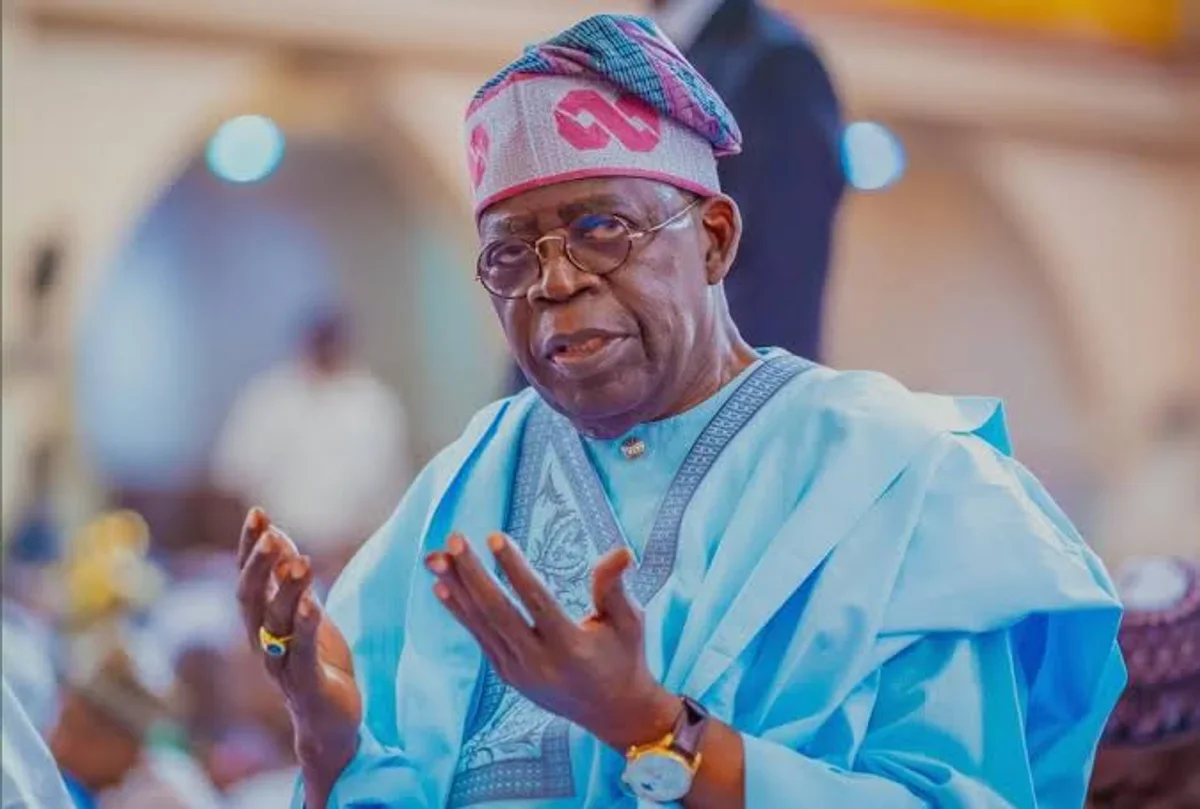
President Bola Tinubu’s economic reforms continue to draw public criticism over their impact on living costs, but increased federal allocations are giving states such as Benue and Nasarawa greater fiscal capacity to fund infrastructure and economic development.
/ You Might Also Like /




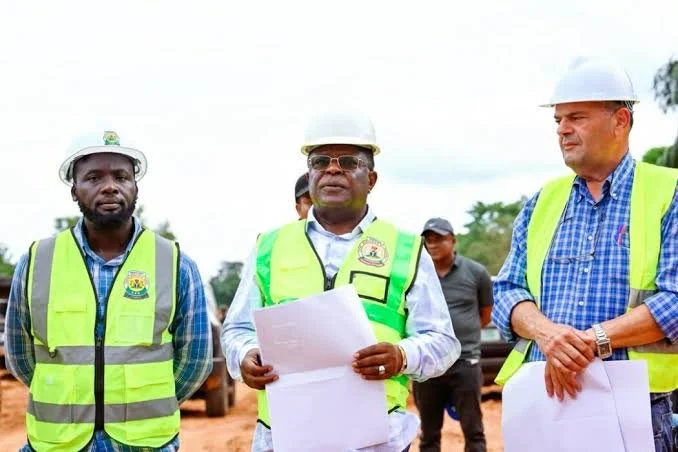
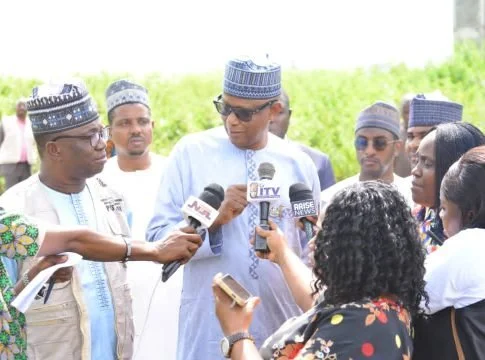
A News Agency of Nigeria (NAN) feature published on August 13, 2026, examined how the additional resources available to the two states are translating into roads, bridges, industrial projects, flood-control infrastructure and other investments. The report followed a five-day inspection tour of federal and state projects by the Renewed Hope Ambassadors Presidential Media Team.
Higher allocations expand state spending capacity
The removal of the fuel subsidy and other economic reforms have increased the revenue available to state governments through federal allocations.
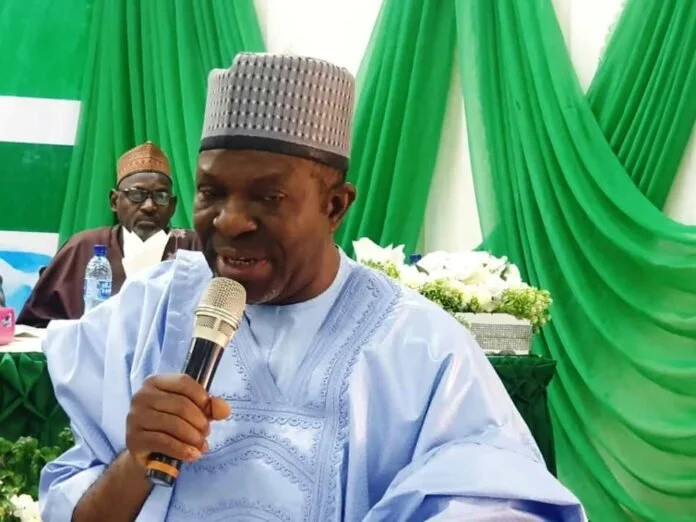
In Nasarawa, Governor Abdullahi Sule said the state’s monthly allocation had risen from about N3.8 billion-N4.5 billion to an average of N14 billion-N16 billion.
Sule said the additional revenue had enabled the state to undertake infrastructure projects worth about N90 billion without borrowing from commercial banks. He contrasted this with the state's previous difficulty raising N5 billion for a single market project.
The increase in internally available fiscal resources gives state governments greater room to fund capital projects without depending as heavily on commercial borrowing.
Benue links higher revenue to infrastructure revival
Benue Governor Hyacinth Alia also linked increased federal allocations to the state's ability to accelerate infrastructure development and revive economic assets.
Among the projects highlighted during the inspection was the revival of the Taraku Mills, a N70 billion industrial project that had remained abandoned for decades.
The project could generate about 2,000 direct and indirect jobs and create additional economic activity around agricultural production and processing.
The state is also progressing with the Katsina-Ala River Bridge at Buruku, which is expected to improve connectivity between communities while reducing the risks associated with river crossings.
Transport infrastructure receives significant attention
Transport infrastructure formed a major part of the projects inspected across the two states.
Sections of the Abuja-Makurdi highway and the Keffi-Makurdi corridor have undergone improvements aimed at reducing travel times, improving road safety and strengthening connections between the Federal Capital Territory, Nasarawa and Benue.
The Lafia bypass has also reduced the time required to travel through the town from about 45 minutes to roughly 15 minutes, according to the NAN report.
The improved corridors are important to regional commerce because they facilitate the movement of agricultural produce, livestock, fuel and other goods between communities and major markets.
Nasarawa expands urban infrastructure
Nasarawa's infrastructure programme extends beyond major highways.
The state is constructing a flyover at Total Junction in Keffi to address a road section described as particularly prone to accidents. The project is expected to improve traffic movement and connectivity when completed.
The N44 billion Mararaba flyover is also targeted for completion in December. The 2.6-kilometre project includes pedestrian bridges, ramps and other improvements intended to address longstanding congestion along the Abuja-Keffi corridor.
The government expects the project to reduce travel times between Abuja and Keffi and improve commercial activity along the corridor.
Infrastructure spending has implications for property markets
The increased infrastructure investment has direct implications for the property market in both states.
Improved roads and bridges can increase accessibility to previously less-connected locations, potentially making surrounding areas more attractive to residential, commercial and industrial developers.
This is particularly relevant to Nasarawa because of its proximity to Abuja. Better connectivity along the Abuja-Keffi corridor could encourage further residential development outside the Federal Capital Territory as households and businesses respond to improved transport links.
However, infrastructure-led property appreciation depends on more than road construction. Reliable electricity, water supply, drainage, security, planning and adequate housing supply will determine whether improved accessibility translates into sustainable urban development.
Flood control and public facilities form part of the investment
The projects inspected also included flood-control infrastructure and public facilities.
In Nasarawa, the state secretariat now consolidates ministries that previously operated from scattered and deteriorating offices. The complex is supported by a one-megawatt solar plant, with the state considering the possibility of extending excess electricity to neighbouring communities.
Flood-control infrastructure is particularly important for property development because inadequate drainage can reduce land values, damage buildings and increase the long-term cost of maintaining residential and commercial developments.
Industrial and agricultural investment broadens the development impact
Both states are also using additional resources to support productive sectors beyond physical infrastructure.
Nasarawa has allocated 10,000 hectares for rice production and is developing lithium-processing facilities aimed at increasing local value addition.
Benue, meanwhile, is seeking to revive industrial activity and strengthen agricultural value chains through projects such as the Taraku Mills and the Food Basket Brewery.
These investments could generate demand for industrial land, warehouses, logistics facilities, worker accommodation and commercial services if the projects achieve sustained operations.
Higher revenue increases pressure for accountability
While increased allocations have expanded the fiscal capacity of states, the additional resources also increase expectations around transparency and project delivery.
The NAN report presents the projects in Benue and Nasarawa as evidence that increased allocations are beginning to translate into visible infrastructure and economic activity. However, the broader question remains whether states can sustain these investments, maintain completed infrastructure and demonstrate measurable improvements in living standards.
For property and infrastructure investors, the quality of implementation matters as much as the size of government spending.
Outlook
The experience of Benue and Nasarawa illustrates how changes in federal revenue distribution can influence state-level infrastructure investment.
Higher allocations have provided both states with additional resources for roads, bridges, industrial facilities, flood control, agriculture and public infrastructure. In Nasarawa, the state says the increased revenue has allowed it to undertake about N90 billion in projects without commercial bank borrowing.
For the housing and real estate market, the longer-term significance will depend on whether these investments produce sustained improvements in connectivity, utilities, economic activity and urban planning. If they do, improved infrastructure could support new housing and commercial development while opening additional investment corridors around Abuja and other growing urban centres.
READ MORE