CBN Approved Printing of 5.71 Billion Banknotes in 2025 as Cash Demand Rose

Foreign Firms Printed Majority of Nigeria's Banknotes in 2025
The Central Bank of Nigeria (CBN) approved the printing of 5.71 billion banknotes in 2025, representing a 20.5% increase from the 4.74 billion notes approved in 2024, as demand for cash continued to rise across the country. The figures were disclosed in the apex bank's 2025 Annual Report and Statement of Accounts, which also revealed that foreign printing firms handled the majority of the currency production programme.
/ You Might Also Like /




According to the report, the increase in currency production was driven by growing demand for physical cash despite the continued expansion of electronic payment channels. The CBN said the programme was designed to ensure adequate currency circulation and improve the availability of banknotes throughout the financial system.
Foreign Firms Accounted for Most Printing Orders
The report showed that foreign security printing companies received approximately 65% of the approved printing orders, while the Nigerian Security Printing and Minting Company handled the remaining share.
The arrangement reflects the continued reliance on overseas capacity for large-scale currency production, even as authorities seek to strengthen domestic capabilities in currency printing and security document production.
The CBN maintained that the allocation of printing contracts was based on operational capacity, quality requirements and the need to meet currency demand efficiently.
Cash Demand Remains Strong
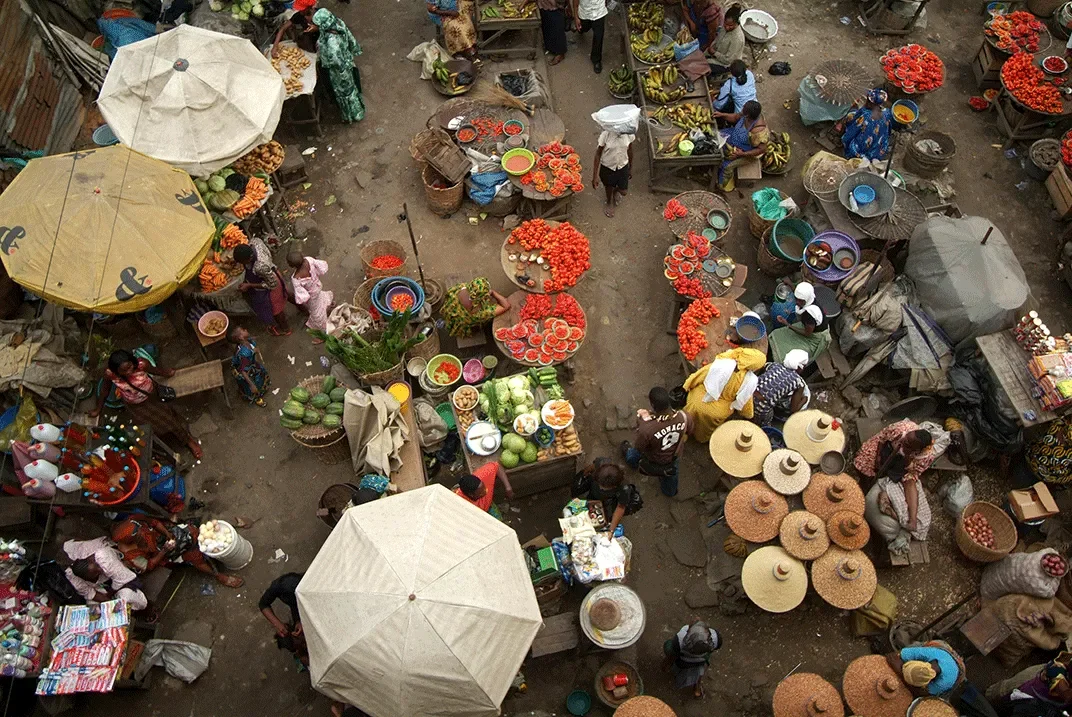
The increase in banknote production underscores the continued importance of cash in Nigeria's economy, particularly within the informal sector, retail trade and rural communities where cash transactions remain widespread.
Although digital banking, mobile payments and electronic transfers have expanded significantly in recent years, many businesses and households continue to rely on physical currency for everyday transactions.
The development also follows efforts by the CBN to stabilise currency circulation after the disruptions associated with the 2023 naira redesign programme and subsequent cash shortages.
Implications for Housing and Construction
For Nigeria's housing and construction sectors, adequate currency circulation supports economic activity across the informal building market, where many transactions involving artisans, labourers, small contractors and building material suppliers are still conducted in cash.
Improved cash availability may also ease day-to-day transactions in local construction supply chains, particularly in communities where digital payment infrastructure remains limited.
However, economists note that increased banknote production also carries operational costs for the monetary authorities. Sustained growth in currency demand will require careful management to ensure that higher cash circulation supports economic activity without undermining the CBN's broader objectives of maintaining price stability and promoting electronic payments.
Outlook
The approval to print more than 5.7 billion banknotes reflects the reality that cash continues to play a central role in Nigeria's economy despite rapid growth in digital financial services. Going forward, the CBN is expected to balance rising demand for physical currency with ongoing efforts to deepen financial inclusion and expand cashless payment systems.
For the housing and real estate sector, reliable currency circulation remains important for maintaining liquidity across construction supply chains and supporting day-to-day commercial activity. Over the longer term, improvements in digital payment infrastructure and broader financial inclusion could help create a more efficient and transparent operating environment for developers, contractors and property transactions.
READ MORE