Bauchi Secures ₦5.7 Billion Saudi Investment Commitments Across Key Economic Sectors
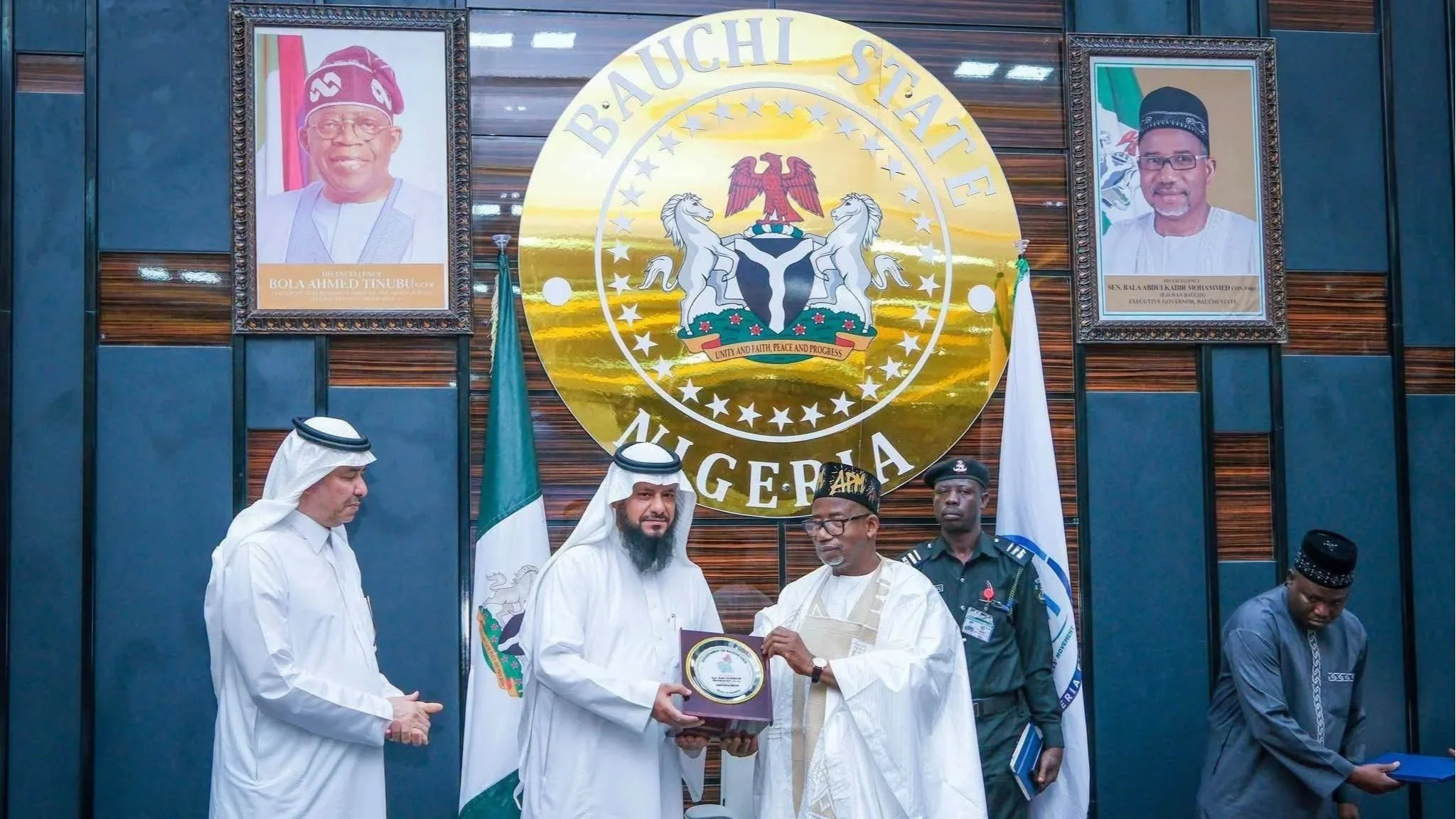
Bauchi Strengthens Investment Drive with ₦5.7 Billion Saudi Commitments
Bauchi State has secured ₦5.7 billion in investment commitments from Saudi investors to support projects across several strategic sectors, marking another step in the state's drive to attract foreign direct investment and accelerate economic development.
/ You Might Also Like /
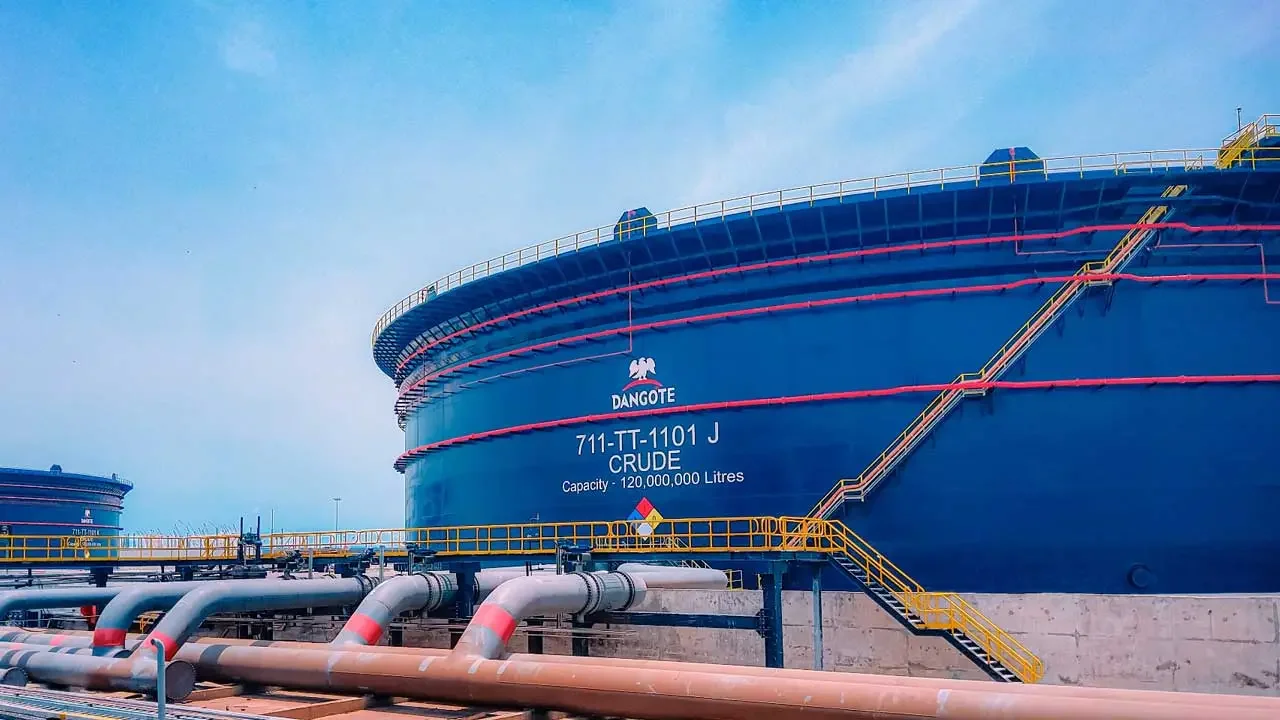


The commitments followed high-level investment engagements facilitated by the Bauchi State Government as it seeks to position the state as a competitive destination for domestic and international investors. The planned investments are expected to cover sectors including agriculture, healthcare, manufacturing, mining, trade and infrastructure development.
State officials said the investment commitments align with the government's broader strategy of diversifying the economy, expanding industrial activity and creating employment opportunities through increased private sector participation.
Investment to Support Infrastructure and Industrial Growth
Beyond sector-specific investments, the commitments are expected to stimulate infrastructure development needed to support industrial expansion and economic activities.
Improved transport infrastructure, utilities and logistics networks remain essential for attracting long-term investment and improving the competitiveness of businesses operating within the state. By strengthening these foundations, Bauchi hopes to create an environment that encourages further investment in manufacturing, processing industries and commercial enterprises.
The state government believes that sustained investment in infrastructure will improve productivity, facilitate trade and support inclusive economic growth across both urban and rural communities.
Expanding Opportunities for Housing Development
The anticipated investment could also generate indirect benefits for Bauchi's housing and real estate sector.
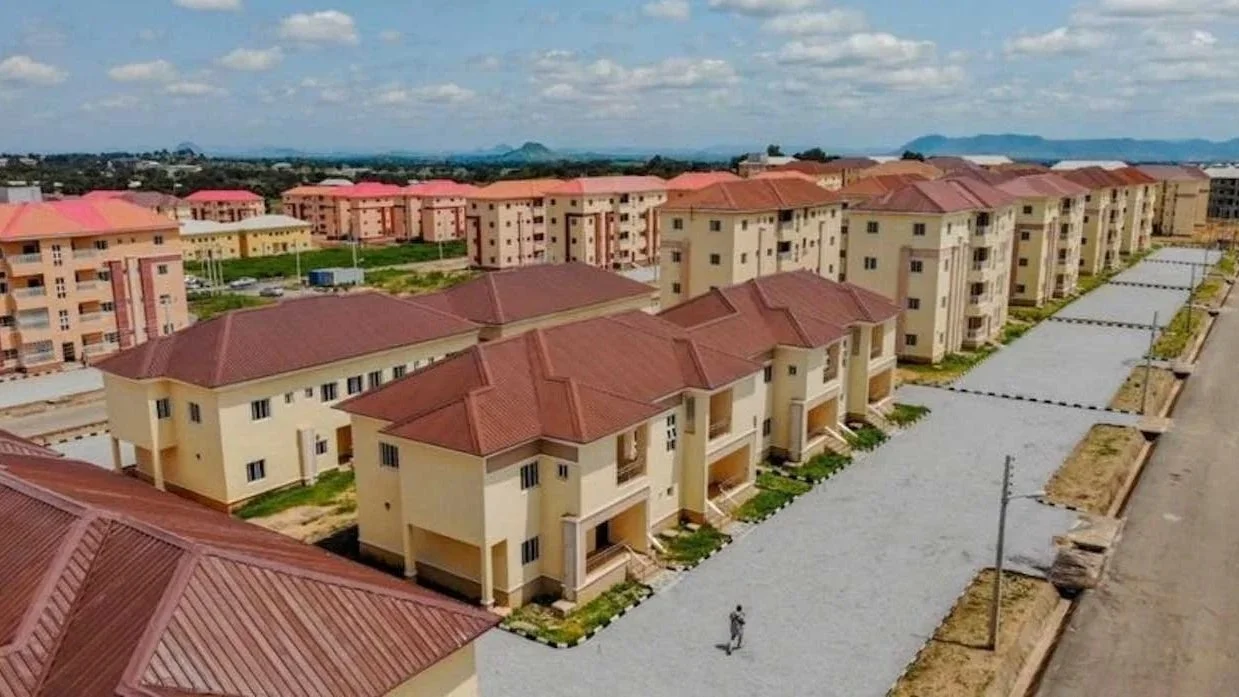
As industrial and commercial activities expand, demand for residential housing, commercial buildings, logistics facilities and supporting urban infrastructure is likely to increase. New investments often stimulate the development of worker accommodation, retail centres, office space and public infrastructure required to serve growing economic clusters.
Greater economic activity may also encourage private developers to explore new residential and mixed-use developments, particularly in areas benefiting from improved infrastructure and rising commercial demand.
Strengthening Bauchi's Investment Profile
The latest commitments reinforce Bauchi State's efforts to position itself as an investment destination capable of attracting international capital across multiple sectors.
Government officials have continued to promote public-private partnerships as a means of financing infrastructure, improving public services and supporting long-term economic transformation. The Saudi investment commitments are expected to complement ongoing initiatives aimed at improving the state's business environment and encouraging sustainable private sector growth.
Industry analysts note that while investment commitments are an encouraging signal, their long-term impact will depend on timely project execution, effective implementation and continued policy stability.
Implications for Nigeria's Housing Market
Although the investment package is broader than the housing sector, increased foreign direct investment has important implications for real estate and urban development.
Large-scale investments typically increase demand for housing, commercial property and supporting infrastructure. They also encourage improvements in roads, utilities and public services that make cities more attractive to investors and developers.
For the construction industry, additional investment activity could generate new opportunities for contractors, suppliers and professionals involved in delivering industrial, commercial and residential projects.
Outlook
The ₦5.7 billion Saudi investment commitments represent another positive signal for Bauchi's economic development ambitions and demonstrate growing investor interest in Nigeria's subnational economies.
If successfully implemented, the projects could strengthen infrastructure, stimulate industrial expansion and create new opportunities for housing and commercial real estate development. For the broader housing market, sustained investment in productive sectors remains an important driver of urban growth, increased property demand and long-term infrastructure development.
READ MORE