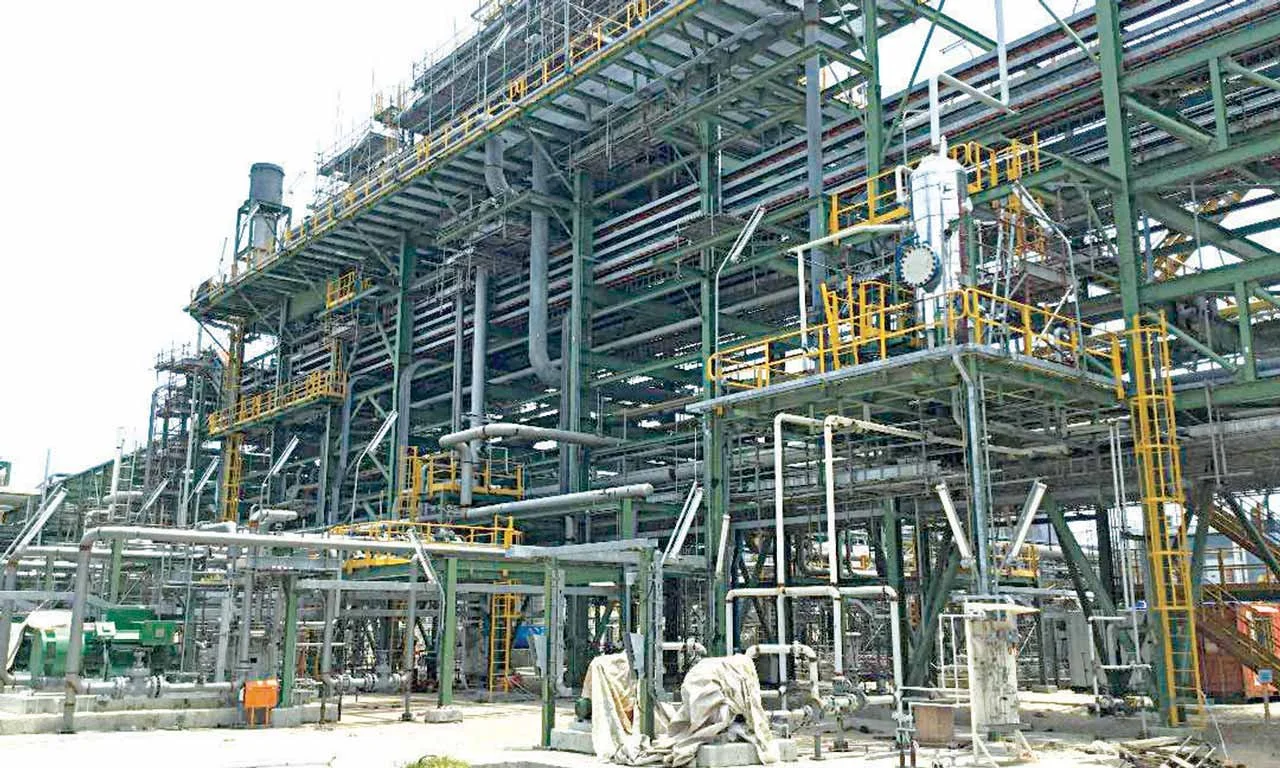
Anambra Targets Industrialised Agriculture to Boost Exports, Farmers’ Earnings

Soludo Administration Pushes Industrial Farming to Drive Export Growth
The Anambra State Government has intensified efforts to transition from subsistence farming to industrial-scale agriculture as part of a broader strategy to increase food production, reduce post-harvest losses, and improve export earnings for farmers.
The renewed push was highlighted during the inauguration of Ideal Agro Allied Produce Limited, a tuber crop processing company located in Akwaeze, Anaocha Local Government Area of Anambra State. The facility is expected to process yam, cassava, potatoes, and other tuber crops for local and export markets.
/ You Might Also Like /




According to Anambra State Commissioner for Agriculture, Ben Odoemena, the administration of Governor Chukwuma Soludo is prioritising industrialised farming and agro-processing to strengthen food security and expand agricultural exports.
State shifts focus from subsistence to commercial agriculture
Odoemena stated that the government intends to encourage farmers to embrace commercial-scale production capable of supporting industrial processing and export-oriented agriculture.
He noted that agro-processing facilities could help eliminate post-harvest losses by ensuring unsold farm produce is processed rather than wasted. According to him, the state is seeking to create a system where agriculture generates both food sufficiency and foreign exchange earnings.
“With the establishment of a tuber crop processing plant, there will no longer be fear of unsold produce rotting away because it can now be processed and exported,” Odoemena said during the inauguration.
He added that Anambra aims to move beyond traditional “produce and consume” agricultural systems toward integrated value chains focused on cultivation, processing, packaging, and export.
Agro-processing seen as key to export growth
The newly inaugurated facility is expected to process tuber crops for export markets in Europe, the United Kingdom, and North America after securing regulatory approvals from relevant food safety agencies, according to the company’s management.
Chairman of the company, Ikenna Okafor, said the initiative was designed to support farmers by purchasing and processing unsold produce while helping reduce agricultural waste.
He disclosed that the company had already ventured into large-scale yam cultivation on a 200-plot farmland in Ufuma and had begun generating export earnings from agricultural production.
The company also plans to create jobs through food processing, packaging, logistics, and export operations linked to the agricultural value chain.
Industrial agriculture gaining policy support
Anambra’s latest push aligns with broader agricultural development strategies aimed at strengthening the linkage between farming and manufacturing sectors.
Policy frameworks tied to the Anambra Agriculture Sector Medium-Term Strategy emphasise value addition, mechanisation, agro-processing, export development, and improved market access for farmers.
The policy document identifies post-harvest losses, weak access to finance, poor mechanisation, and limited integration between agriculture and industry as major constraints affecting agricultural productivity within the state.
Analysts note that agro-industrialisation has increasingly become central to Nigeria’s broader economic diversification agenda as policymakers seek to reduce dependence on crude oil exports.
Agriculture remains major economic pillar
Agriculture continues to play a significant role in Anambra’s economy despite the state’s growing commercial and industrial sectors.
According to development reports on Anambra’s agricultural sector, farming contributes substantially to employment generation, food supply, and rural economic activity. Previous administrations also pursued partnerships with large-scale investors in rice farming, poultry production, and agro-processing initiatives.
Industry observers say industrial agriculture could help improve productivity and farmers’ incomes if supported by reliable infrastructure, storage systems, financing, mechanisation, and export logistics.
Export-oriented agriculture gaining momentum
Nigeria’s agricultural export sector has gained renewed policy attention amid rising concerns over food security, foreign exchange shortages, and economic diversification.
Federal and state governments have increasingly promoted agro-processing zones, commercial farming clusters, and value-chain development initiatives aimed at improving export competitiveness.
Experts argue that stronger agro-processing capacity could significantly reduce Nigeria’s estimated annual post-harvest losses, which affect major staple crops including cassava, yam, rice, and vegetables.
Outlook for Anambra’s agricultural strategy
The Anambra government’s industrial agriculture drive reflects growing recognition of agro-processing as a critical tool for economic growth, employment generation, and export expansion.
If effectively implemented, the strategy could strengthen value addition within the state’s agricultural sector while improving income opportunities for farmers and agribusiness operators.
However, analysts note that long-term success will depend on sustained investment in infrastructure, storage systems, transport logistics, financing access, and market integration capable of supporting large-scale commercial agriculture.
READ MORE