U.S.-Nigeria Collaboration Could Close Startup Funding and Infrastructure Gaps
U.S. Investors, Nigerian Innovators Can Bridge Funding and Infrastructure Gaps
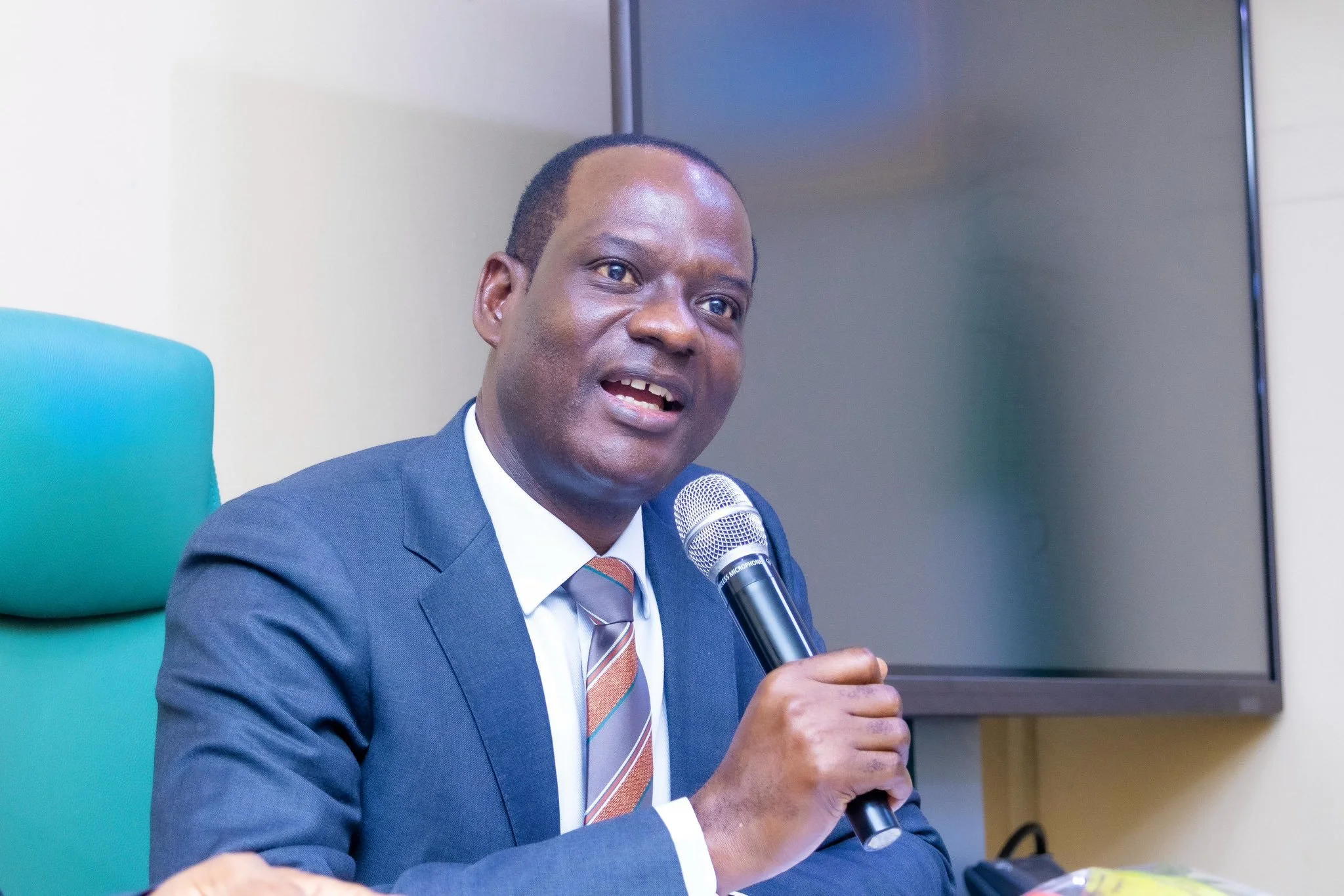
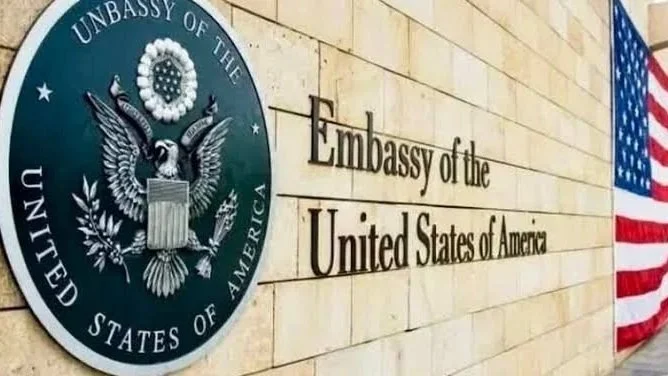
Stronger collaboration between Nigerian innovators and American investors could help address funding and infrastructure gaps affecting the country's technology ecosystem, U.S. Consul General Brandon Hudspeth has said.
Hudspeth made the remarks at the GITEX Nigeria Startup Festival in Lagos, where he highlighted the role of U.S. investment in supporting Nigerian startups, digital infrastructure, technology skills and access to international markets.
/ You Might Also Like /




U.S. Funding Accounts for 60% of Nigeria’s Venture Capital
According to Hudspeth, U.S.-based investors have remained the largest source of external capital for Nigeria's technology ecosystem over the past decade.
He said U.S.-sourced funding currently accounts for an estimated 60% of all venture capital entering Nigeria, with investments coming from major American companies, venture capital firms and other organisations.
The funding has supported startups and contributed to the development of digital infrastructure, technology skills and international market access.
Hudspeth said the existing level of investment demonstrated the potential for deeper partnerships between Nigerian entrepreneurs and U.S. businesses.
Lagos Emerges as a Major Technology Hub
The U.S. Consul General linked the scale of investment to Lagos' rapid development as one of Africa's leading technology ecosystems.
He said the valuation of Lagos' technology ecosystem had increased nearly 12-fold since 2017, while the city had produced six of Africa's 10 unicorns.
Lagos also ranked first on Dealroom's 2025 Global Tech Ecosystem Index "Rising Stars" list, ahead of Istanbul, Mumbai and São Paulo, according to Hudspeth.
The city currently has more than 3,300 startups, while Nigeria's technology industry contributes more than 16% to the country's gross domestic product, he said.
U.S. Companies Support Nigeria’s Digital Infrastructure
Hudspeth said American involvement in Nigeria's technology sector extends beyond venture capital to infrastructure, connectivity and technology platforms.
He identified companies including Visa, Google, Mastercard, Microsoft, Uber and PayPal as participants in Nigeria's technology ecosystem.
He also said Google and Meta had invested in subsea cable infrastructure serving Nigeria, while Equinix and Digital Realty were helping connect Nigerian data infrastructure to global networks.
Amazon Web Services, Starlink and other U.S.-linked technology companies were also identified as contributors to the country's digital infrastructure.
According to Hudspeth, stronger infrastructure will become increasingly important as Nigerian startups expand into areas including artificial intelligence, fintech, health technology and enterprise technology.
Technology Companies Expand Skills Development
The partnership between the two countries is also supporting technology skills development.
Hudspeth said Google, Cisco, Meta and Microsoft were training hundreds of thousands of Nigerians in technology and artificial intelligence.
He said these programmes were helping address the shortage of skilled professionals required to sustain the expansion of Nigeria's digital economy.
The U.S. official described the relationship as mutually beneficial, with American companies gaining access to Nigeria's young technology workforce and innovative businesses while Nigerian entrepreneurs gain access to capital, expertise and international markets.
Global Funding Environment Remains Challenging
Despite the growth of Nigeria's technology ecosystem, Hudspeth warned that startups are operating in a more difficult global funding environment.
He said investors have become more selective, with founders increasingly required to demonstrate stronger revenues, clearer routes to profitability and sustainable business models before securing international funding.
The changing funding environment makes access to reliable capital particularly important for Nigerian startups seeking to scale beyond the domestic market.
Hudspeth said continued U.S. participation could help Nigerian businesses navigate these challenges and develop companies capable of competing internationally.
Commercial Partnership Targets Investment Barriers
The U.S.-Nigeria Commercial and Investment Partnership is also being used to address regulatory and commercial barriers affecting businesses, Hudspeth said.
According to him, the U.S. Consulate is bringing entrepreneurs, investors, business leaders and policymakers together to improve trade and investment between Nigeria and the United States.
The initiative is intended to improve business predictability, unlock investment opportunities and create conditions for companies to expand across both markets.
Digital Infrastructure Has Wider Economic Implications
The focus on infrastructure extends beyond technology startups, as improved digital connectivity increasingly supports business activity across the wider economy.
Reliable connectivity and data infrastructure can improve access to financial services, digital commerce, professional services and other business activities. For real estate and construction, stronger digital infrastructure can also support the growth of technology-enabled businesses and increase demand for office, data-centre and other commercial facilities.
The development of technology clusters can also influence investment patterns in major urban centres as businesses seek locations with reliable connectivity, skilled labour and access to capital.
Investment Could Support Broader Economic Growth
Hudspeth said stronger U.S.-Nigeria partnerships could create jobs, improve service delivery and generate economic opportunities for businesses and workers in both countries.
For Nigeria, increased access to international capital could help technology companies expand their operations, develop new products and enter foreign markets.
The broader challenge will be ensuring that investment reaches businesses and infrastructure projects capable of generating sustainable economic activity rather than remaining concentrated within a limited number of technology companies or urban centres.
Outlook
The comments by the U.S. Consul General highlight the growing role of American capital, technology companies and skills-development programmes in Nigeria's digital economy.
With more than 3,300 startups in Lagos and U.S.-sourced funding accounting for an estimated 60% of venture capital entering Nigeria, stronger bilateral collaboration could provide additional support for businesses seeking to scale.
The immediate focus, however, remains on closing funding and infrastructure gaps, improving the business environment and developing the skills required to sustain Nigeria's technology expansion. The GITEX Nigeria Startup Festival provides a platform for investors, entrepreneurs and policymakers to deepen those connections.
READ MORE