LAWMA Deploys 25 Trucks to Clear Oshodi Waste as Collection Costs Come Under Review
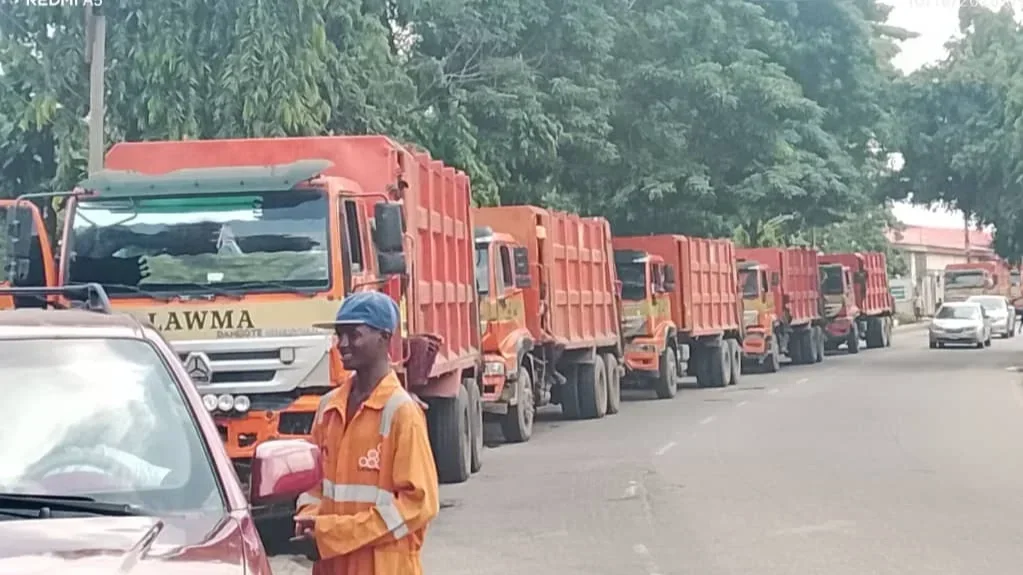
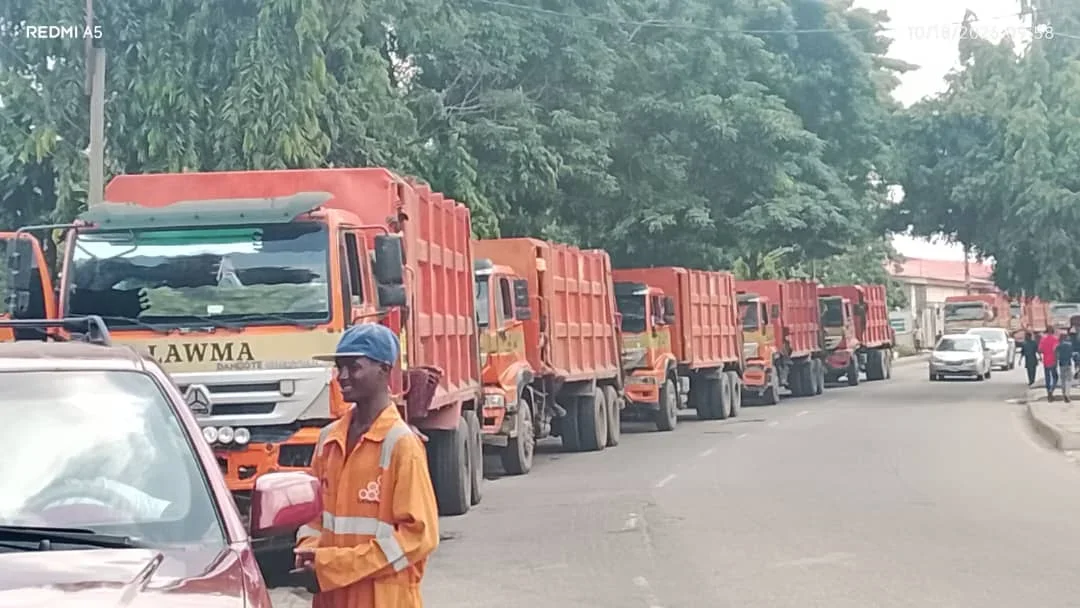
LAWMA deploys 25 trucks for emergency waste evacuation in Oshodi
The Lagos Waste Management Authority (LAWMA) has deployed 25 trucks for emergency waste evacuation in Oshodi following a buildup of refuse, as population growth, inadequate waste containers and rising collection costs put pressure on sanitation services.
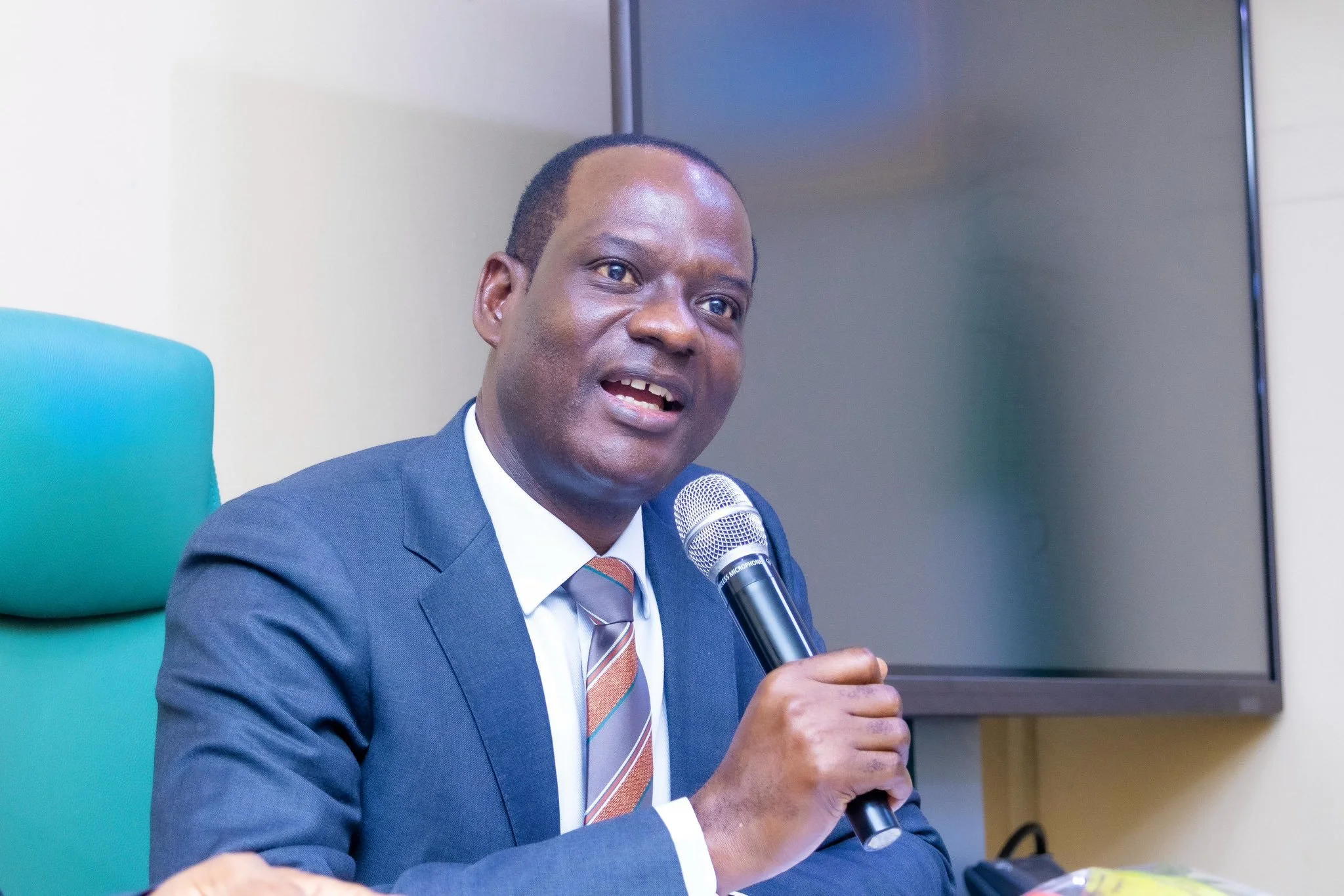
Tunde Suleiman, LAWMA’s Head of Private Sector Participation (PSP) Services, disclosed the intervention during an exercise at Bolade in Oshodi, Lagos.
/ You Might Also Like /




He said the authority deployed the trucks to address the immediate waste accumulation while the state government reviews the tariff structure for private waste collection operators.
The intervention highlights the pressure on urban waste management systems in densely populated areas, where rising waste volumes can outpace collection capacity and available infrastructure.
Population Growth Increases Pressure on Waste Collection
Suleiman identified Oshodi’s high population density and increased waste generation as major factors behind the accumulation of refuse. He also cited inadequate waste containers and collection charges that no longer reflect operators’ operating costs.
Oshodi has more than 350 streets, according to the LAWMA official, making waste collection a substantial logistical undertaking. He said some private operators travel considerable distances to evacuate refuse, increasing the cost of providing the service.
Suleiman added that some residents continued to pay older collection rates that were no longer sufficient to cover current operating expenses.
The authority is therefore seeking to address both the immediate accumulation of waste and the underlying challenges affecting regular collection.
Lagos Reviews Waste Collection Tariffs
The Lagos State Government is conducting a statewide review of waste collection tariffs to address the financial pressures facing private sector participation operators.
LAWMA works with PSP operators to collect household waste across Lagos. The effectiveness of this arrangement depends partly on operators having sufficient resources to maintain equipment, pay workers and transport waste to approved disposal facilities.
Where collection charges fail to reflect operating costs, service providers may struggle to sustain collection frequency and maintain adequate equipment. However, any tariff adjustment must also consider residents’ ability to pay, particularly in lower-income neighbourhoods.
The ongoing review is intended to address these competing concerns and support more sustainable waste collection services.
LAWMA said its emergency intervention in Oshodi would provide immediate relief while discussions on the tariff structure continue.
Inadequate Waste Containers Contribute to Refuse Buildup
The authority also identified insufficient waste containers as a contributing factor.
Suleiman cited cases where residential buildings with numerous flats had too few bins to accommodate the volume of refuse generated. When containers fill quickly, waste can spill into surrounding spaces and accumulate before the next collection.
This challenge becomes more pronounced in neighbourhoods where older, low-rise buildings have been converted into multi-storey residences, increasing the number of occupants without a corresponding expansion in waste storage and collection capacity.
LAWMA is encouraging households to provide sufficient containers through its “Adopt-a-Bin” initiative. It is also urging residents to separate recyclable materials, including plastics, cans and paper, to reduce the volume of waste requiring evacuation.
The authority said recycling could also provide residents with an opportunity to earn money from materials collected by registered recyclers.
Emergency Clean-Up Extends to Other Parts of Oshodi
The intervention forms part of wider efforts to address waste accumulation in different parts of Oshodi.
Suleiman said LAWMA had undertaken similar exercises around Folorunsho Street and Oluwole, off Oshodi Road. The authority is working with the local government, Community Development Associations and residents to respond to waste management concerns.
It has also deployed advocacy teams to educate residents about appropriate disposal practices and the need to cooperate with collection operators.
Suleiman stressed that emergency evacuation exercises were not intended to replace routine collection. Instead, they were designed to address serious accumulations after the authority assessed the circumstances contributing to the problem.
Sustaining improvements will require regular collection, sufficient containers and effective coordination among the authority, private operators and residents.
Implications for Housing and Neighbourhood Development
Reliable waste collection is an important component of residential infrastructure. Poorly managed refuse can undermine environmental quality, create public health concerns and reduce the liveability of neighbourhoods.
For landlords and property managers, inadequate waste services can affect the condition of residential premises and their surroundings. Commercial properties may also face operational challenges where refuse accumulates around shops, markets and transport corridors.
In densely populated areas such as Oshodi, housing growth must therefore be accompanied by sufficient waste storage, collection capacity and disposal infrastructure.
The conversion of older buildings into multi-storey residences can increase the number of households occupying a site. Without adequate provision for waste management, that additional density can place further pressure on local services.
The situation also demonstrates why urban planning and property development need to account for the infrastructure required to support residents, rather than focusing exclusively on the number of buildings or housing units delivered.
Long-Term Improvement Depends on Reliable Collection
LAWMA’s deployment of 25 trucks is expected to help remove accumulated refuse in Oshodi, but the longer-term challenge is preventing waste from building up again.
The authority’s explanation points to several issues requiring attention: the affordability and adequacy of collection tariffs, the capacity of private operators, access to waste containers, recycling and residents’ disposal practices.
Addressing only one of these issues may not resolve the wider problem. Additional trucks can increase evacuation capacity, but they must operate alongside regular collection schedules, adequate disposal facilities and a sustainable funding model.
For Lagos, the Oshodi intervention highlights the need to align urban growth with the provision of essential environmental services. Consistent waste collection and better neighbourhood management will remain important to maintaining liveable communities as population density increases.
READ MORE