LagosHOMS expands access to homeownership
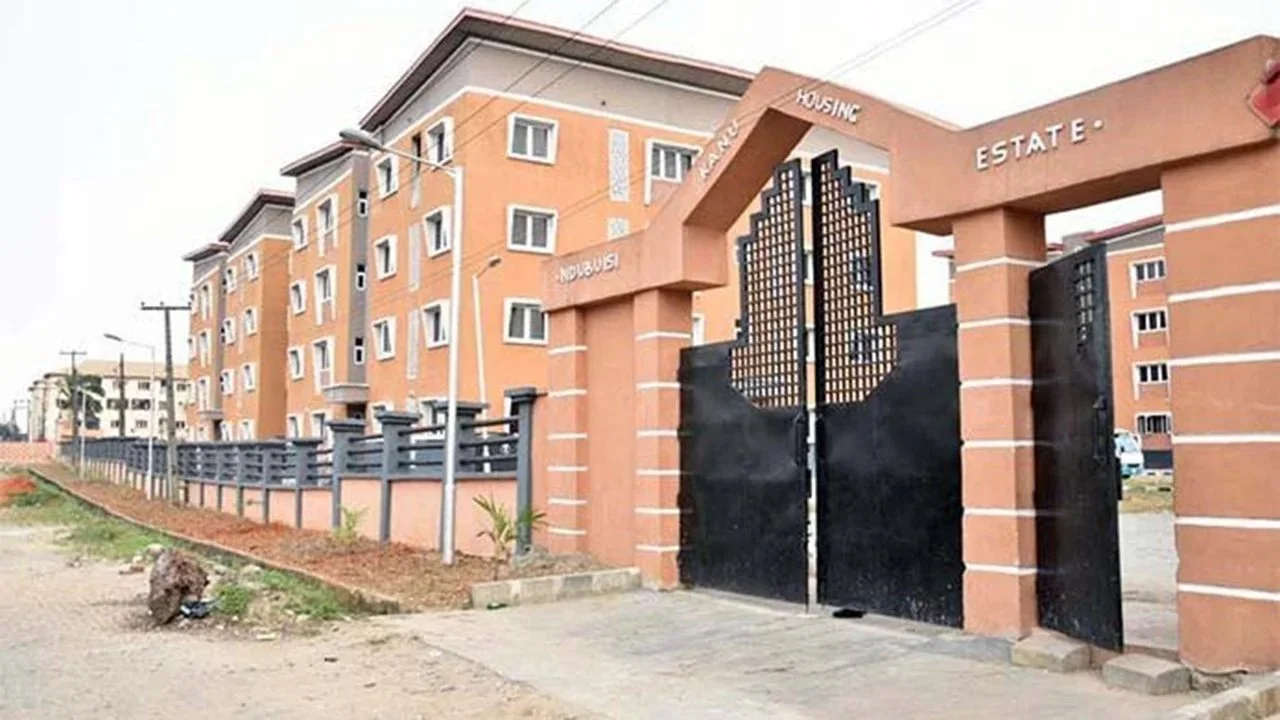
The Lagos State Mortgage Board, which oversees the Lagos Home Ownership Mortgage Scheme (LagosHOMS), has allocated more than 20,000 housing units since the scheme began, according to the board’s management.
The figure highlights the scale of LagosHOMS as one of the state’s major housing-finance initiatives, particularly for residents seeking structured pathways to homeownership. The scheme was established to help low- and middle-income residents acquire homes through mortgage and rent-to-own arrangements.
/ You Might Also Like /




LagosHOMS Expands Access to Homeownership
LagosHOMS was introduced as part of efforts to make homeownership more accessible to residents who may struggle to purchase properties through outright payment.
The scheme uses mortgage financing and structured payment arrangements to allow qualified beneficiaries to acquire government-developed housing units.
The Lagos State Government has previously said more than 20,000 Lagosians had subscribed to the scheme over its first decade, with the initiative targeted particularly at low- and middle-income households.
The mortgage model is intended to reduce the immediate financial burden associated with buying a home by spreading payments over an extended period.
Mortgage Financing Remains Central to the Scheme
Mortgage financing remains an important component of LagosHOMS because it allows beneficiaries to pay for homes over time rather than requiring the full purchase price upfront.
The scheme has also incorporated rent-to-own arrangements, providing another route for residents to transition from occupying a property to eventual ownership.
Under the rent-to-own model, beneficiaries make regular payments towards the eventual acquisition of the property. The approach is particularly relevant in a market where high property prices and limited access to long-term housing finance continue to restrict homeownership.
Housing Affordability Remains a Major Challenge
The milestone comes as Lagos continues to experience significant housing affordability pressures.
Rapid population growth, limited land availability, rising construction costs and increasing property values have widened the gap between household incomes and the cost of securing decent accommodation.
For many residents, the challenge extends beyond purchasing a home. Rising rents have also increased the financial burden on households that remain in the rental market.
This makes access to mortgage-backed housing and alternative ownership schemes increasingly important to the state's efforts to expand homeownership.
Previous Beneficiaries Include Low- and Middle-Income Residents
LagosHOMS has been designed to serve a broad range of residents rather than exclusively high-income property buyers.
Previous government disclosures identified civil servants, artisans, entrepreneurs, market women and other low- and middle-income residents among beneficiaries of Lagos housing programmes.
The scheme's focus on these groups reflects the wider challenge of providing housing finance to households whose incomes may be insufficient for conventional property purchases but are capable of supporting structured mortgage payments.
Housing Delivery and Finance Need to Grow Together
The experience of LagosHOMS also demonstrates that housing delivery and housing finance need to operate together.
Increasing the number of housing units without creating affordable ways for households to purchase them can leave completed properties beyond the reach of intended beneficiaries.
Conversely, expanding mortgage access without sufficient housing supply can increase competition for a limited number of affordable properties.
The combination of government-backed housing delivery and structured financing therefore remains important to expanding effective access to homeownership.
Lagos Continues to Expand Housing Supply
Lagos has also been pursuing direct housing development and partnerships with private developers to increase the number of homes available across the state.
The government previously reported that housing projects had been developed in locations including Iponri, Lekki, Ikorodu and other parts of Lagos, alongside public-private partnerships aimed at increasing housing delivery.
The state has also used housing programmes as part of broader efforts to address its housing deficit and improve living conditions for residents.
Mortgage Access Remains a Wider Industry Challenge
Despite the progress recorded through LagosHOMS, access to long-term mortgage finance remains a significant challenge in Nigeria.
High interest rates, limited household incomes, property documentation issues, land administration bottlenecks and the relatively shallow mortgage market continue to restrict access to formal housing finance.
State-level initiatives such as LagosHOMS can help address some of these barriers, but a larger expansion of mortgage financing would require broader improvements across Nigeria's housing-finance system.
Housing Schemes Can Support Urban Development
Structured homeownership programmes can also contribute to wider urban development when housing projects are supported by roads, drainage, electricity, water supply and other infrastructure.
For Lagos, where rapid urbanisation continues to increase pressure on existing communities, the location and infrastructure supporting new housing developments will remain as important as the number of units delivered.
Effective housing programmes therefore need to combine affordability, financing, infrastructure and appropriate urban planning.
Outlook
The allocation of more than 20,000 housing units through LagosHOMS represents a significant milestone in Lagos State's efforts to expand access to homeownership.
However, the scale of housing demand in Lagos means that continued delivery will remain necessary. Expanding the supply of affordable homes, strengthening mortgage access and developing flexible payment structures will be critical to ensuring that more residents can move from renting to ownership.
As housing costs continue to place pressure on household budgets, the effectiveness of programmes such as LagosHOMS will increasingly depend on their ability to reach households that need affordable housing most.
READ MORE