Nigeria Rules Out Fuel Subsidy Return as Government Unveils $78.5bn Investment Plan
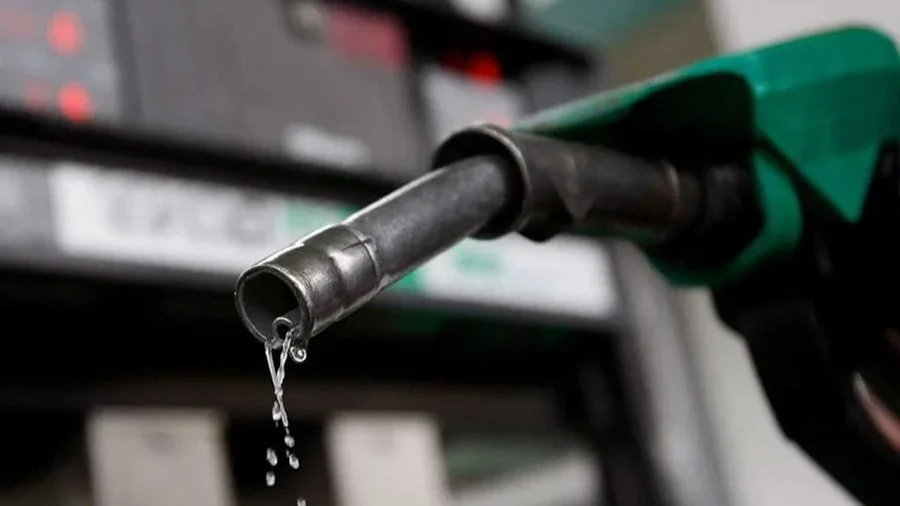
Nigeria rules out a return to petrol subsidies as it targets faster economic growth and investment
Nigeria’s Federal Government has ruled out restoring petrol subsidies, reaffirming its commitment to economic reforms as it seeks to attract investment, lower borrowing costs and accelerate economic growth.
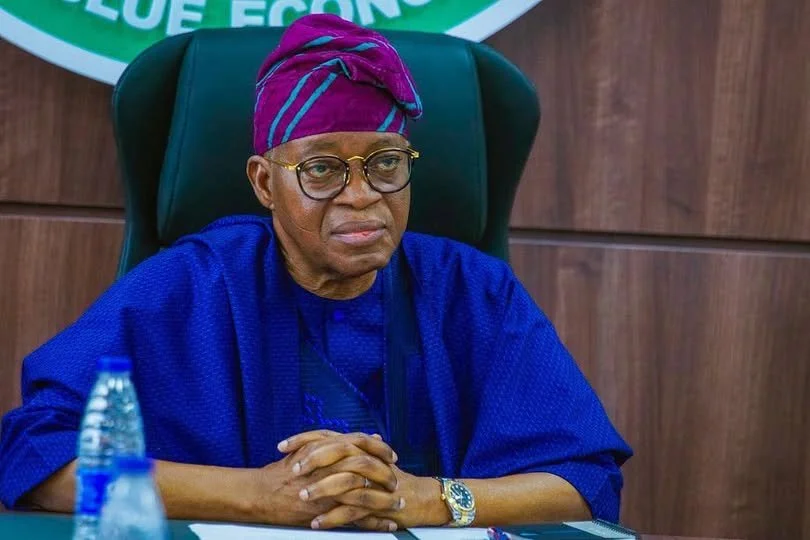
Finance and Coordinating Minister of the Economy Taiwo Oyedele made the position clear at the 2026 Annual Meetings of the International Monetary Fund (IMF) and World Bank Group in Bangkok, Thailand. He also outlined the government’s ambition to achieve 7% economic growth, supported by a proposed $78.5 billion investment pipeline comprising 65 projects across critical sectors.
/ You Might Also Like /




The projects cover energy, transport, industry, mining, agriculture, healthcare and urban services. The government hopes to attract domestic and foreign capital to expand productive capacity, create jobs and strengthen the economy.
Oyedele also rejected a return to multiple exchange rates, arguing that policy consistency remains important to investor confidence.
Government Maintains Fuel Subsidy Removal Policy
The government’s position follows renewed debate over petrol affordability after the Nigerian National Petroleum Company Limited (NNPC) introduced a temporary retail price relief initiative.
Oyedele maintained that the reduction in NNPC’s retail margin was a commercial decision rather than a restoration of government-funded fuel subsidies. The intervention allows the company to forgo its retail profit margin temporarily to provide some relief to consumers amid elevated fuel prices.
The distinction is important because the government maintains that petroleum pricing remains market-based, even as temporary measures seek to cushion the effect of rising costs.
The subsidy removal, introduced in May 2023, significantly changed the cost of fuel for households and businesses. Higher petrol prices have contributed to transportation and operating expenses, affecting the movement of goods, services and people.
The latest declaration signals that the government intends to retain the existing policy framework rather than return to the previous subsidy regime.
$78.5bn Investment Pipeline Targets Economic Growth
The government is seeking investment for 65 projects with a combined capital requirement of $78.5 billion. The portfolio is designed to attract private capital into sectors considered important for expanding production, strengthening infrastructure and generating employment.
The Federal Government has presented the projects through its Projects Nigeria investment platform, which provides information about investment opportunities and connects prospective investors with project sponsors.
The proposed portfolio includes energy and power projects, transport and maritime infrastructure, manufacturing, mining, agriculture, technology, healthcare and urban development.
The government estimates that the projects could generate approximately 366,763 jobs. However, the $78.5 billion represents the total funding requirement of the project pipeline, not investment already secured. The scale of actual investment will depend on whether proposed projects attract financing and progress to implementation.
Oyedele said the government was working to address obstacles that discourage investment, including high borrowing costs, inflationary pressures, electricity constraints and regulatory inefficiencies.
Government Seeks Lower Inflation and Borrowing Costs
The finance minister said Nigeria needed lower inflation and borrowing costs to help businesses expand operations, increase production and employ more people.
He noted that borrowing costs remained close to 30%, making it difficult for many businesses to secure affordable financing. The government is therefore seeking closer coordination between fiscal and monetary policies to create conditions for lower lending rates.
Oyedele also said the authorities were working towards bringing inflation down to low single digits, arguing that lower prices for food, energy and transportation would support business activity and household purchasing power.
Nigeria’s economic growth reached 4.4% in the second quarter of 2026, while inflation declined for four consecutive months, according to figures cited by the minister.
The challenge for policymakers is to sustain these improvements while ensuring that stronger economic indicators translate into greater investment, employment and more affordable goods and services.
CBN Pledges Continuity in Economic Reforms
Central Bank of Nigeria Governor Olayemi Cardoso also reaffirmed the monetary authority’s commitment to sustaining the reforms introduced to stabilise the economy and improve investor confidence.
Cardoso said inflation had fallen to 14.63% in September 2026, while the country’s external reserves had risen above $55 billion.
He also highlighted the reduction in the gap between official and parallel foreign exchange market rates, which he said had narrowed to approximately 3%–4% from a peak of about 60%.
A more stable foreign exchange market can reduce uncertainty for businesses that depend on imported equipment, construction materials and other inputs. However, the impact on costs will also depend on exchange-rate movements, global prices and domestic supply conditions.
Cardoso stressed that the gains from the reforms would require consistent policies, credible institutions and effective coordination between monetary and fiscal authorities.
He also said the government was seeking to improve Nigeria’s sovereign credit standing and strengthen financial relationships with international partners.
Implications for Housing and Infrastructure Development
The government’s position on fuel subsidies and its wider investment agenda have implications for Nigeria’s housing and construction sectors.
Fuel prices influence the cost of transporting cement, steel, aggregates and other building materials from production facilities to construction sites. They also affect the operation of generators, construction machinery and logistics fleets, particularly where reliable grid electricity remains unavailable.
Sustained increases in energy and transportation costs can put pressure on developers’ budgets, raise the cost of delivering housing projects and complicate affordability planning for prospective homeowners.
At the same time, the proposed investment pipeline includes urban services, transport and energy infrastructure, areas that can support housing delivery by improving access to land, services and economic centres.
Whether these investments improve housing outcomes will depend on the projects selected, the scale of financing secured and the speed of implementation. Investment in infrastructure alone will not automatically produce affordable homes unless it is accompanied by suitable land policies, housing finance and effective development planning.
Investment Commitments Must Translate into Projects
The government’s $78.5 billion investment pipeline signals an effort to move beyond broad reform announcements towards specific projects that can attract private capital.
However, the amount sought does not represent completed financing agreements or guarantee that all 65 projects will proceed. Investors will assess project viability, expected returns, regulatory certainty, infrastructure availability and the risks associated with implementation.
The government has also cautioned against treating international expressions of interest or cooperation as confirmed financial inflows before formal agreements are signed.
For Nigeria, the central test will be whether the investment pipeline produces funded projects, additional productive capacity and sustainable jobs. Maintaining the fuel subsidy removal policy is one part of the government’s economic strategy, but its broader impact will depend on whether reforms improve living standards and create an environment in which businesses can invest and grow.
READ MORE