TETFund Unveils 13 Projects at Bauchi Health University, Pledges More Support
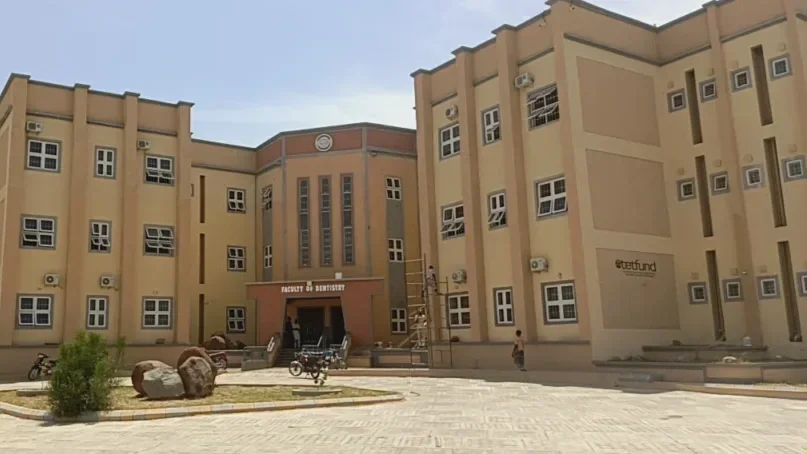
The Tertiary Education Trust Fund (TETFund) has unveiled 13 projects at the Federal University of Health Sciences, Azare (FUHSA), in Bauchi State, as it steps up investment in medical education, research facilities and healthcare workforce development.
/ You Might Also Like /




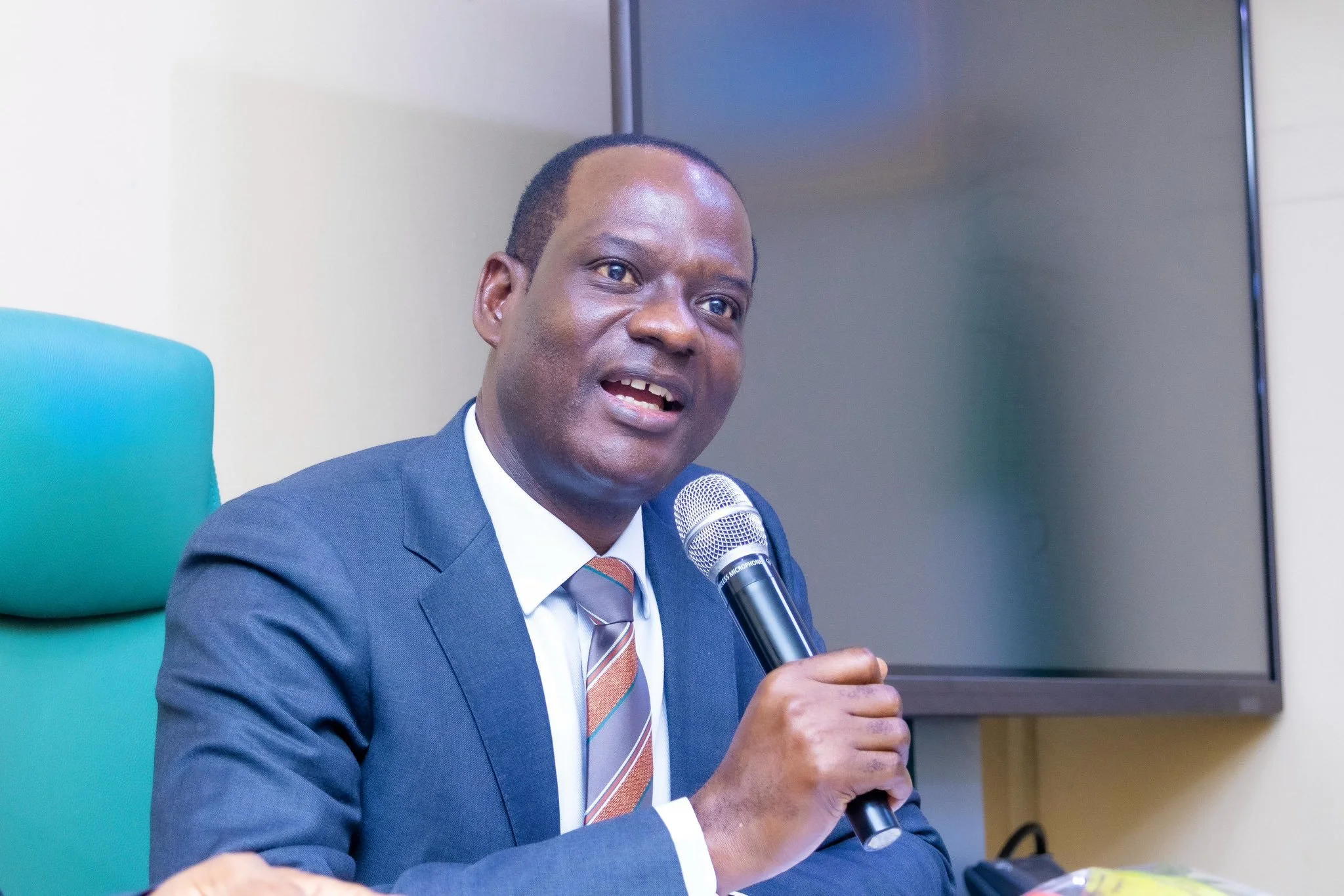
TETFund Executive Secretary, Sonny Echono, disclosed this during the commissioning of the projects in Azare, saying the investments reflect the Federal Government’s commitment to expanding Nigeria’s capacity to train skilled health professionals.
Established in 2021, FUHSA is one of the specialised federal universities created to strengthen medical training and help address gaps in the country’s healthcare workforce. TETFund has supported the institution’s infrastructure, academic development and research capacity as it expands its operations.
Echono commended the university’s governing council, Senate, management and staff for their contributions to its development, describing the institution’s progress as an example of what sustained investment and strategic planning can achieve in specialised education.
New Projects Target Medical Training and Research
The 13 projects are intended to improve the facilities available for teaching, learning, research and the training of healthcare professionals.
The university requires specialised infrastructure to train students across medical and health-related disciplines. Well-equipped laboratories, lecture facilities and research spaces can provide the practical environment needed to complement classroom instruction and prepare graduates for clinical and scientific work.
The investments also support the wider objective of building domestic capacity in medicine, biomedical science, nursing, pharmacy, public health and related fields.
For a specialised university, infrastructure development is closely tied to academic capacity. Expanding facilities can create room for additional students and programmes, although the extent of that expansion will also depend on staffing, equipment, funding and the availability of clinical training opportunities.
TETFund’s pledge of further support signals that the institution’s development is expected to continue beyond the latest commissioning.
TETFund Urges Greater Investment Despite Medical Migration
Echono also addressed the continued migration of Nigerian medical professionals abroad, commonly referred to as the “japa” trend.
He argued that Nigeria should respond by increasing investment in the training of healthcare workers rather than becoming discouraged by their movement to other countries.
His position rests on expanding the number of qualified professionals the country produces, while recognising that those who work internationally can contribute through remittances, professional knowledge and expertise.
However, increasing training capacity is only one part of addressing healthcare workforce shortages. Retaining skilled professionals also depends on working conditions, remuneration, access to modern equipment, career progression and opportunities for professional development.
For FUHSA and other specialised institutions, the challenge is therefore to combine stronger educational infrastructure with the academic and clinical resources required to produce graduates who can contribute effectively to healthcare delivery.
Federal Universities of Health Sciences Form Part of a Wider Strategy
The Federal Government approved the establishment of six specialised federal universities of health sciences in 2021, with the aim of strengthening medical education across Nigeria’s six geopolitical zones.
The initiative followed the COVID-19 pandemic, which exposed weaknesses in health systems and reinforced the need to expand medical training, domestic research and preparedness for future public health emergencies.
FUHSA’s development forms part of this wider effort to build the facilities and institutional capacity required to train more health professionals within the country.
Continued investment in these institutions could support research, improve practical training and strengthen the pipeline of professionals entering Nigeria’s healthcare system. The results will depend on whether infrastructure investment is matched by sustained funding for staffing, equipment, maintenance and academic programmes.
Medical Simulation Centres Planned for Further Investment
Echono also disclosed that TETFund’s Board of Trustees had endorsed and recommended contracts for the establishment of eight medical simulation centres nationwide to the Federal Executive Council for consideration.
FUHSA is among the institutions selected to benefit from the initiative. The projects are expected to commence in 2026, while installation of specialised equipment is scheduled for 2027.
Medical simulation centres allow students and healthcare professionals to practise clinical procedures and respond to simulated medical situations in a controlled environment. Such facilities can complement clinical placements and help students develop practical skills before working directly with patients.
The proposed centres would add another layer to investments in medical training infrastructure, although their delivery will depend on the completion of the approval process, contract implementation and equipment installation.
Infrastructure Investment Extends Beyond Academic Buildings
The development of specialised universities involves more than lecture halls and laboratories. Student accommodation, research facilities, utilities, access roads and other campus services also shape an institution’s ability to accommodate students and sustain academic activities.
For host communities such as Azare, investment in a growing university can also increase demand for housing, transport, food services and other local businesses. The scale of any resulting economic activity will depend on student enrolment, staffing levels, procurement and the university’s broader expansion.
Student accommodation is particularly important as institutions grow. Where hostel capacity fails to keep pace with enrolment, students may depend more heavily on private rental housing, potentially increasing pressure on nearby residential areas.
Although the latest announcement centres on medical education, sustained investment in university infrastructure can therefore have wider implications for local development and the built environment.
Delivery and Maintenance Will Determine Long-Term Benefits
The commissioning of the 13 projects marks another stage in FUHSA’s institutional development and TETFund’s support for specialised medical education.
The longer-term value of the investment will depend on how effectively the university uses the facilities, maintains its infrastructure and integrates the new projects into teaching, research and clinical training.
Further support could help the institution expand its capacity, but physical infrastructure must be accompanied by qualified personnel, modern equipment and reliable operational funding.
For Nigeria, the broader objective is to translate investment in medical education into a stronger healthcare workforce, better research capacity and improved service delivery. FUHSA’s next phase of development will show how far continued infrastructure investment can advance those goals.
READ MORE