Nigeria Disputes World Bank Debt Figures as Government Cites Revenue Growth
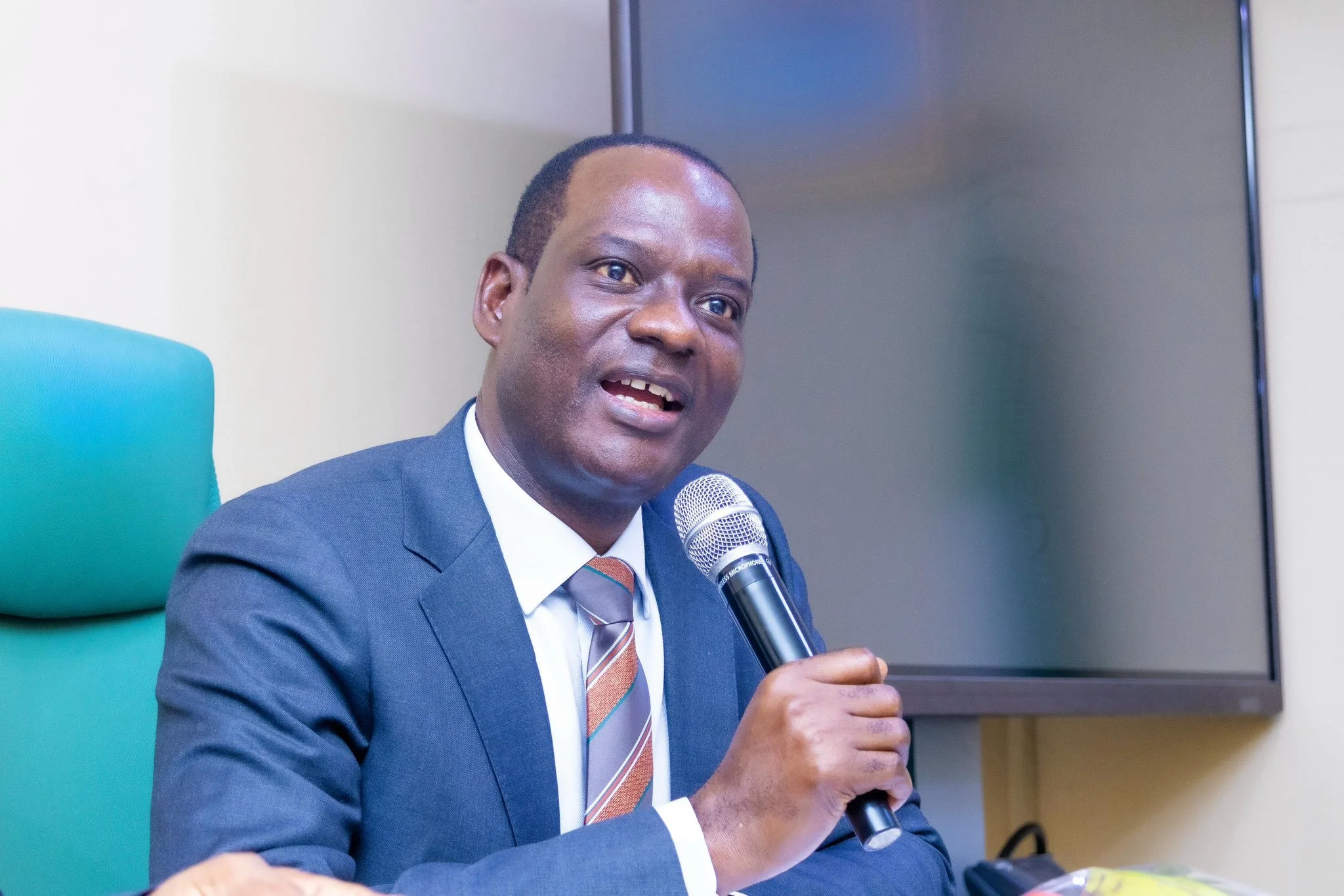
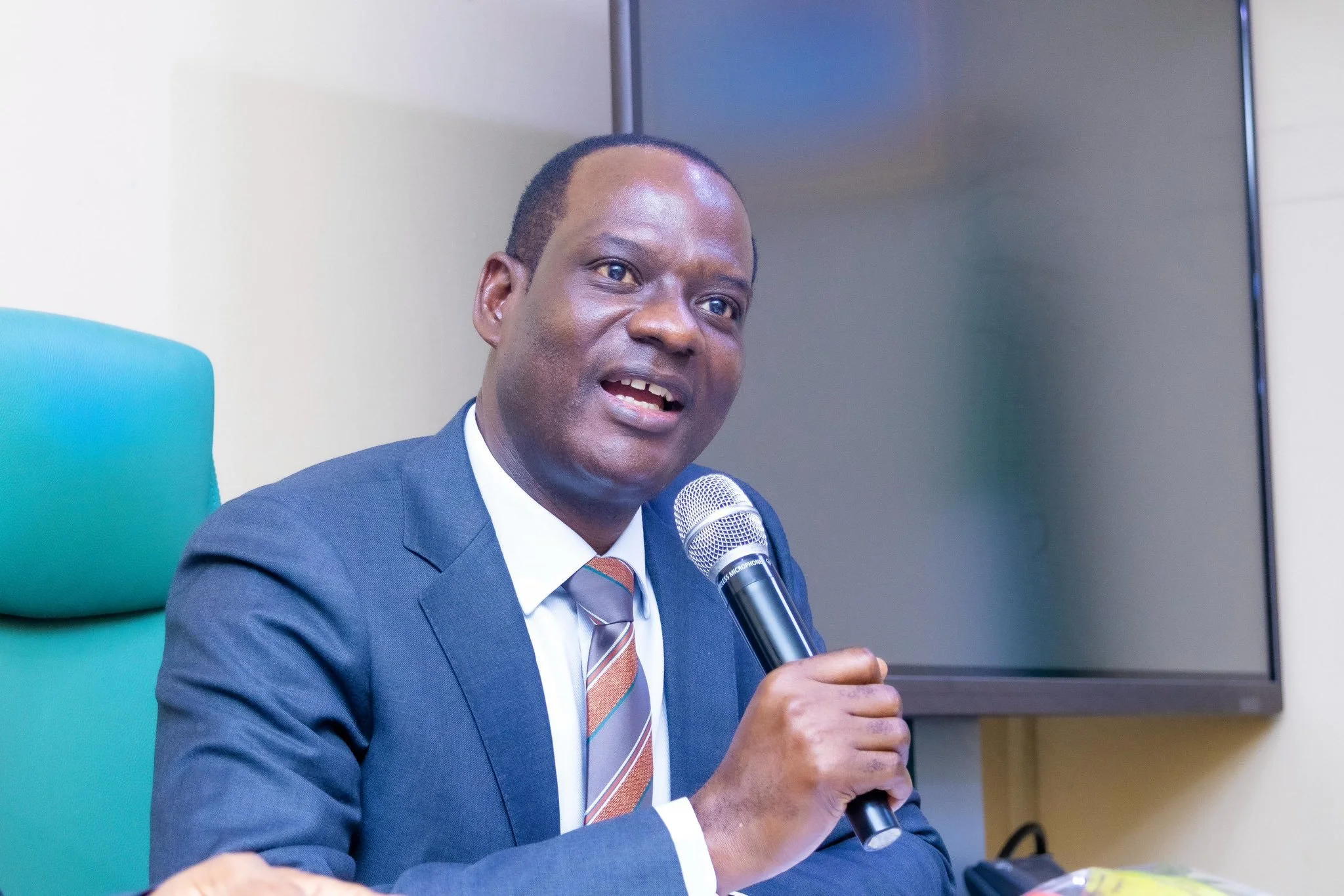
Finance Minister Taiwo Oyedele
The Federal Government has challenged the World Bank’s assessment of Nigeria’s debt-servicing burden, arguing that the reported interest-to-revenue ratio for the first half of 2026 does not accurately reflect the country’s fiscal position.
/ You Might Also Like /




The Federal Ministry of Finance disputed the World Bank’s calculation that federal interest payments amounted to approximately 124 per cent of revenue between January and June 2026. It argued that the calculation combines debt obligations serviced by the Federal Government on behalf of state governments with revenue attributed solely to the federal treasury.
The disagreement follows the World Bank’s October 2026 Nigeria Development Update, which reported that the Federal Government generated ₦6.2 trillion in revenue during the first half of the year, compared with interest payments of ₦7.7 trillion.
The figures imply a shortfall of ₦1.5 trillion, with interest payments equivalent to about 124.2 per cent of revenue.
However, the Finance Ministry said the calculation presents an incomplete picture of the government’s finances because it does not align the revenue and debt obligations being compared.
Government Challenges World Bank’s Debt Calculation
The Finance Ministry argued that the World Bank’s calculation includes interest payments on external loans that the Federal Government services on behalf of state governments, while measuring those obligations against federal revenue alone.
According to the ministry, a meaningful interest-to-revenue ratio must compare obligations and revenue covering the same level of government.
It also said the reported revenue figures excluded income already earned by government agencies and enterprises but not yet remitted to the Treasury.
The ministry further argued that some taxes are collected predominantly in the second half of the year because of statutory payment schedules. It said using six months of revenue to assess annual fiscal sustainability could therefore produce a misleading conclusion.
The government maintains that a full-year assessment would provide a more complete picture of revenue performance and debt-servicing capacity.
However, the ministry did not provide revised revenue and interest-payment figures or an alternative ratio to replace the World Bank’s calculation.
Revenue Growth Outpaces Increase in Interest Payments
To support its position, the Finance Ministry compared federal revenue and interest payments in the first halves of 2025 and 2026.
It said federal revenue increased by 72 per cent, rising from ₦3.6 trillion in the first half of 2025 to ₦6.2 trillion in the corresponding period of 2026.
Interest payments, meanwhile, increased by 38 per cent, from ₦5.6 trillion to ₦7.7 trillion.
The ministry said the difference between interest payments and revenue consequently narrowed from ₦2 trillion in the first half of 2025 to ₦1.5 trillion in the first half of 2026.
It described the figures as evidence that revenue was growing faster than interest costs, presenting the trend as a sign of improvement in the country’s fiscal position.
The World Bank’s assessment, however, highlights the scale of interest obligations relative to the revenue available to the Federal Government during the period. The two positions reflect different interpretations of the country’s fiscal data and the appropriate basis for measuring debt pressure.
Government Defends Borrowing Programme
The Finance Ministry also defended the Federal Government’s borrowing programme, stating that loans were obtained within the limits authorised by the National Assembly.
It said borrowing complied with the 2026 Appropriation Act, the approved borrowing plan, the Fiscal Responsibility Act 2007 and the Debt Management Office (Establishment) Act 2003.
The ministry added that information on Nigeria’s debt obligations is regularly published by the Debt Management Office.
The defence comes amid continued scrutiny of the resources required to service public debt and the implications for other government spending priorities.
Although borrowing can finance infrastructure and other development projects, the cost of servicing debt affects the amount of revenue available for capital expenditure and public services. The impact depends on the terms of borrowing, the returns generated by funded projects and the government’s ability to increase revenue.
World Bank’s Assessment Raises Questions About Fiscal Space
The World Bank’s October 2026 Nigeria Development Update examines the country’s economic performance and the capacity of government revenues to support development.
Its assessment comes as Nigeria seeks to consolidate economic reforms, strengthen public finances and improve the delivery of infrastructure and social services.
The Federal Government has pointed to rising revenue as evidence of improving fiscal conditions. Yet revenue growth alone does not establish that debt pressures have eased sufficiently to provide greater spending flexibility.
The relationship between revenue and debt servicing remains important because a significant share of government income committed to interest payments leaves less room for competing expenditure priorities.
For policymakers, the challenge is to increase revenue while managing borrowing costs and ensuring that public spending supports economic growth.
Implications for Housing and Infrastructure Funding
The dispute has implications for Nigeria’s housing and construction sectors because government revenue and debt-servicing obligations influence the resources available for public infrastructure.
Federal and state governments fund roads, water systems, urban infrastructure and housing programmes through budgetary allocations, internally generated revenue, transfers and borrowing.
Where debt servicing absorbs a large share of available revenue, governments may face tighter choices when allocating funds between existing obligations and new projects. This can affect the pace of infrastructure delivery, particularly where projects depend on annual budget releases or public financing.
However, the World Bank’s reported ratio does not by itself establish that housing or infrastructure spending will decline. Actual outcomes will depend on approved budgets, revenue performance, financing arrangements and the priorities of individual governments.
For developers and investors, predictable public spending remains important because roads, electricity, drainage and water infrastructure can influence construction costs, land values and the viability of residential and commercial developments.
A clearer understanding of the government’s fiscal position is therefore relevant to assessing the outlook for public investment and the wider built environment.
Full-Year Figures Will Be Important to the Debate
The Finance Ministry has argued that a six-month comparison does not provide a sufficient basis for judging Nigeria’s debt sustainability, pointing instead to full-year projections.
It cited the World Bank’s projection that debt service, including both interest and principal repayments, would amount to 46 per cent of revenue for the full year in 2026. The ministry described this as a more appropriate benchmark for assessing the country’s position.
The distinction between interest payments and total debt service is important: interest represents the cost of borrowing, while total debt service also includes repayment of principal. The measures capture different aspects of the government’s financial obligations.
The government’s challenge to the World Bank’s calculation has not eliminated the need for transparent, comparable fiscal data. Publishing a revised calculation that accounts for the ministry’s stated concerns would help clarify the scale of debt-servicing pressure.
Ultimately, Nigeria’s fiscal position will depend not only on revenue growth but also on the cost of borrowing, the structure of public debt and the effectiveness of government spending. These factors will shape the resources available for infrastructure investment, housing-related programmes and other development priorities.
READ MORE