Umahi Orders Cement Price Reduction, Warns High Costs Threaten Infrastructure Delivery

Works Minister Seeks Cement Price Cuts to Boost Construction Projects
Minister of Works Dave Umahi has called for an immediate reduction in cement prices, warning that persistently high costs are placing increasing pressure on infrastructure delivery and raising the overall cost of construction across Nigeria. The minister said the current pricing environment is affecting the government's ability to efficiently execute critical road, bridge and public infrastructure projects while also impacting private sector development.
/ You Might Also Like /



Speaking during an engagement with stakeholders in the construction and manufacturing sectors, Umahi stressed that cement remains one of the most important inputs in infrastructure and housing development. He argued that lower prices would support the delivery of public projects, reduce construction costs and contribute to broader economic growth.
Rising Cement Costs Raise Concerns
The minister expressed concern that despite improvements in local cement production capacity, prices remain significantly elevated, creating challenges for both public and private sector construction activities.
According to Umahi, the continued rise in building material costs has increased the financial burden on infrastructure projects nationwide. He noted that reducing the cost of cement would help maximise the impact of government spending on roads, bridges, housing projects and other critical developments.
Industry analysts have also pointed to inflationary pressures, logistics expenses, energy costs and foreign exchange challenges as factors contributing to elevated cement prices in recent years.
Impact on Infrastructure Projects
Umahi warned that high cement prices could undermine ongoing efforts to expand and modernise Nigeria's infrastructure network. The Federal Government has committed substantial resources to road construction, highway rehabilitation and strategic transport projects designed to improve connectivity and stimulate economic activity.
Higher construction costs can lead to increased project budgets, delayed implementation timelines and reduced value for public investment. The minister stressed the need for collaboration between government and manufacturers to ensure that infrastructure projects remain financially sustainable.
He maintained that affordable construction materials are essential to achieving the administration's infrastructure objectives.
Implications for Housing and Real Estate
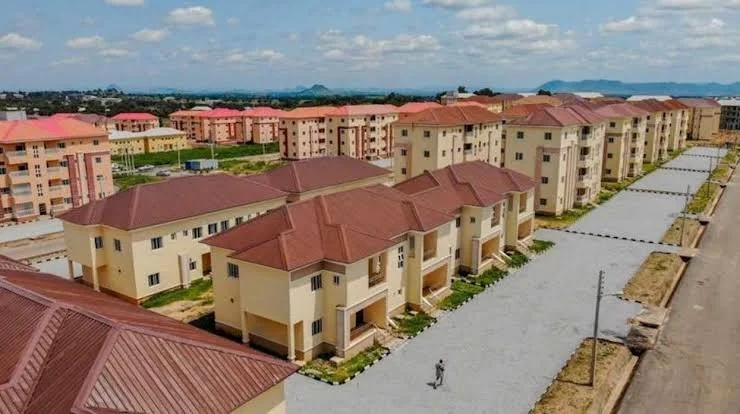
The call for lower cement prices carries significant implications for Nigeria's housing sector, where developers continue to grapple with rising construction costs.
Cement is a key component in residential, commercial and industrial building projects. Sustained increases in cement prices can raise development costs, contribute to higher property prices and make housing less affordable for many Nigerians.
Developers have repeatedly identified the cost of building materials as one of the major barriers to expanding housing supply and addressing the country's estimated housing deficit. Lower cement prices could help improve project viability and encourage greater investment in housing delivery.
Industry Response and Market Dynamics
Stakeholders within the construction industry have long advocated policies aimed at stabilising building material costs and improving access to affordable inputs. While local manufacturing capacity has expanded significantly over the years, industry participants continue to face challenges related to energy costs, transportation expenses and broader economic conditions.
Analysts note that any meaningful reduction in cement prices would likely require a combination of improved production efficiency, lower operating costs and supportive government policies aimed at reducing supply chain constraints.
The development is expected to prompt further discussions between government officials, manufacturers and industry representatives regarding pricing and market conditions.
Broader Economic Significance
Affordable construction materials are widely regarded as critical to economic development. Lower building costs can support infrastructure expansion, stimulate real estate investment and create employment opportunities across the construction value chain.
The construction sector remains a major contributor to economic activity, with strong linkages to manufacturing, transportation, finance and professional services. Improvements in material affordability can therefore generate positive spillover effects across multiple sectors of the economy.
Outlook
Industry observers will be watching closely to see whether discussions between government and cement manufacturers lead to pricing adjustments or policy measures aimed at reducing construction costs.
As Nigeria continues to pursue large-scale infrastructure investments and housing development initiatives, the affordability of key building materials is likely to remain a major policy issue.
Conclusion
Dave Umahi's call for lower cement prices highlights growing concerns about the impact of construction costs on infrastructure delivery and housing development. With cement serving as a critical input across the construction sector, stakeholders agree that improving affordability could support project execution, expand housing supply and enhance the effectiveness of public and private investment in Nigeria's built environment.
READ MORE