Federal Government Delivers Affordable Homes to NHF Contributors in Abuja
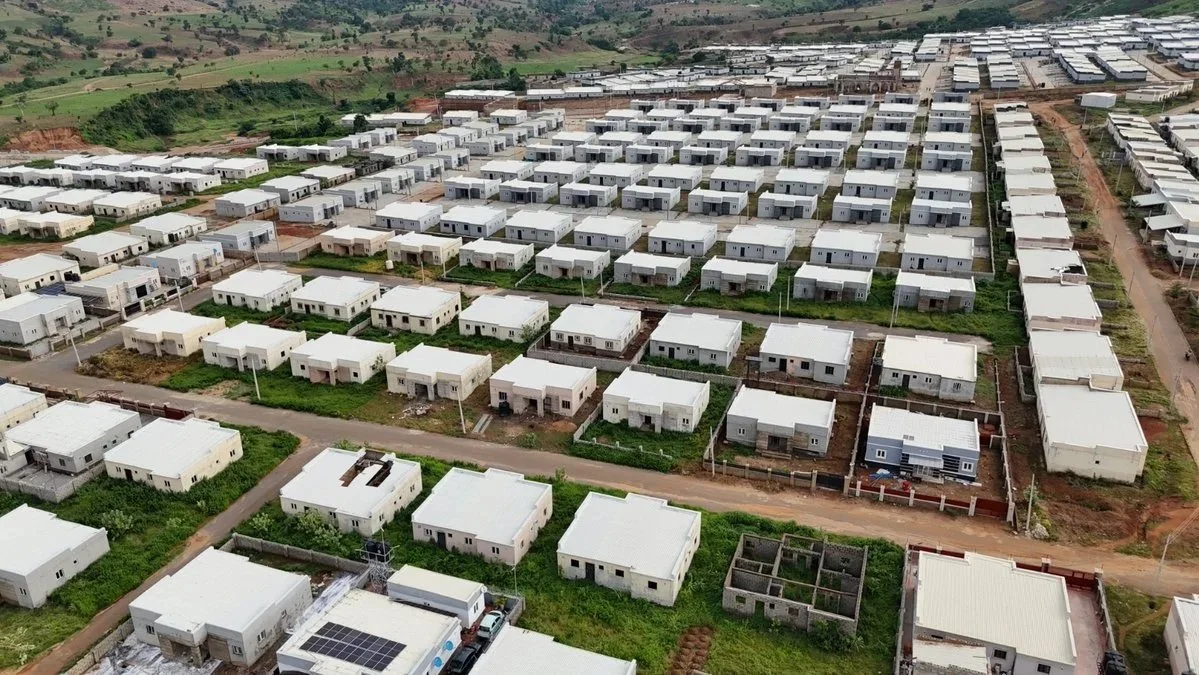
Homeownership Initiative Gains Momentum as FG Delivers Houses to NHF Contributors
The Federal Government has handed over completed housing units to beneficiaries of the National Housing Fund (NHF) in the Federal Capital Territory (FCT), marking another milestone in efforts to expand access to affordable homeownership in Nigeria. The handover underscores the government's commitment to translating housing finance contributions into tangible housing opportunities for contributors to the NHF scheme. The beneficiaries received the homes through the Federal Mortgage Bank of Nigeria (FMBN)-supported housing finance framework designed to improve access to affordable housing.
/ You Might Also Like /




The development comes amid renewed efforts by the Federal Government to address Nigeria's housing deficit through increased housing delivery, mortgage accessibility and targeted housing finance interventions. Housing stakeholders view the initiative as an important step towards strengthening confidence in the NHF programme and encouraging greater participation among contributors.
Expanding Access to Homeownership
The National Housing Fund was established to provide Nigerians with access to affordable mortgage financing and facilitate homeownership. Under the scheme, contributors can access housing loans at favourable terms through accredited mortgage institutions supported by the Federal Mortgage Bank of Nigeria.
The latest handover demonstrates the practical outcome of the housing finance model by enabling eligible contributors to transition from renters to homeowners. Industry experts have consistently identified access to affordable mortgage financing as one of the most critical factors in addressing Nigeria's housing challenges.
Officials noted that the allocation aligns with broader government efforts to increase the stock of affordable housing while ensuring that contributors benefit directly from the scheme.
Housing Finance Remains Central to Delivery
Access to long-term and affordable housing finance continues to be one of the major constraints facing prospective homeowners in Nigeria. High interest rates, limited mortgage penetration and affordability challenges have historically restricted access to homeownership for many households.
The Federal Mortgage Bank of Nigeria remains a key institution in addressing these challenges through mortgage products and housing finance programmes targeted at low- and middle-income earners. The bank's NHF mortgage facility provides contributors with access to housing loans at relatively lower interest rates and longer repayment periods compared to conventional financing options.
The latest housing handover reinforces the role of housing finance in converting policy objectives into completed homes and occupied communities.
Supporting Government Housing Objectives
The handover also aligns with broader federal housing initiatives aimed at increasing housing supply and improving affordability. Recent government programmes have focused on accelerating housing delivery, expanding mortgage access and strengthening partnerships between the public and private sectors.
Housing experts argue that sustained investment in mortgage finance is essential to scaling homeownership opportunities. They note that while housing construction is important, access to affordable financing ultimately determines whether completed homes reach their intended beneficiaries.
The Federal Government has continued to emphasise housing as a key component of economic development, job creation and social welfare.
Implications for the Housing Market
The successful allocation of homes to NHF beneficiaries sends a positive signal to the broader housing market. It demonstrates that structured housing finance mechanisms can support demand while providing developers with a pathway to deliver housing projects tied to verified buyers.
For contributors, the handover strengthens confidence in the NHF system by showing that regular contributions can translate into homeownership opportunities. For developers, it highlights the importance of housing finance institutions in supporting project uptake and reducing market risks.
Industry stakeholders believe that expanding access to mortgage finance could play a significant role in narrowing Nigeria's estimated housing deficit, which remains one of the largest in Africa.
Challenges Remain
Despite progress, housing experts caution that significant challenges remain. Nigeria continues to face a substantial housing shortfall, while affordability constraints, rising construction costs and limited access to long-term financing continue to affect housing delivery.
Recent concerns over increasing cement prices and broader construction costs have also highlighted the need for policies that support affordable housing development. Expanding the availability of mortgage financing alone may not be sufficient without corresponding efforts to improve housing supply and reduce development costs.
Stakeholders therefore continue to advocate stronger collaboration between government agencies, financial institutions and private developers to accelerate housing delivery.
Outlook
The Federal Government is expected to continue leveraging the NHF framework and other housing finance initiatives to expand homeownership opportunities across the country. Additional housing allocations and mortgage-backed housing developments are likely as authorities seek to increase the impact of ongoing housing programmes.
Analysts note that the long-term success of these initiatives will depend on sustained funding, efficient mortgage administration and continued investment in affordable housing projects.
Conclusion
The handover of houses to NHF beneficiaries in the FCT represents another step in Nigeria's efforts to expand affordable homeownership through structured housing finance. By connecting contributors to completed homes, the initiative demonstrates the practical value of the National Housing Fund while reinforcing the importance of mortgage accessibility in addressing the country's housing needs. As government and industry stakeholders continue to pursue housing reforms, access to affordable finance is expected to remain central to achieving large-scale housing delivery.
READ MORE