Tinubu Hails Renewed Hope Housing Milestone as 100,000 Homes Near Delivery
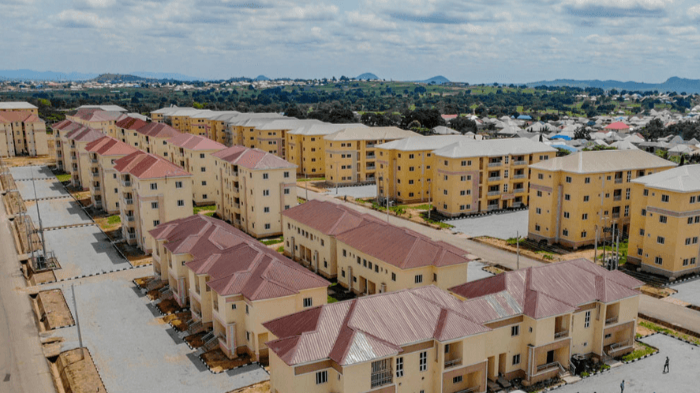
Renewed Hope Housing Initiative Records Major Milestone in Home Delivery
President Bola Ahmed Tinubu has praised the achievements recorded under the Renewed Hope Housing Programme, commending the Minister of Housing and Urban Development, Ahmed Musa Dangiwa, for his leadership in advancing housing delivery and implementing reforms aimed at addressing Nigeria’s housing deficit.
The President highlighted the programme’s progress as part of the administration’s broader infrastructure and economic development agenda, noting that more than 100,000 housing units have either been completed, are under construction, or are at advanced stages of development across the country. The initiative forms a key component of the Federal Government’s efforts to expand homeownership opportunities, stimulate economic activity and improve living standards.
/ You Might Also Like /


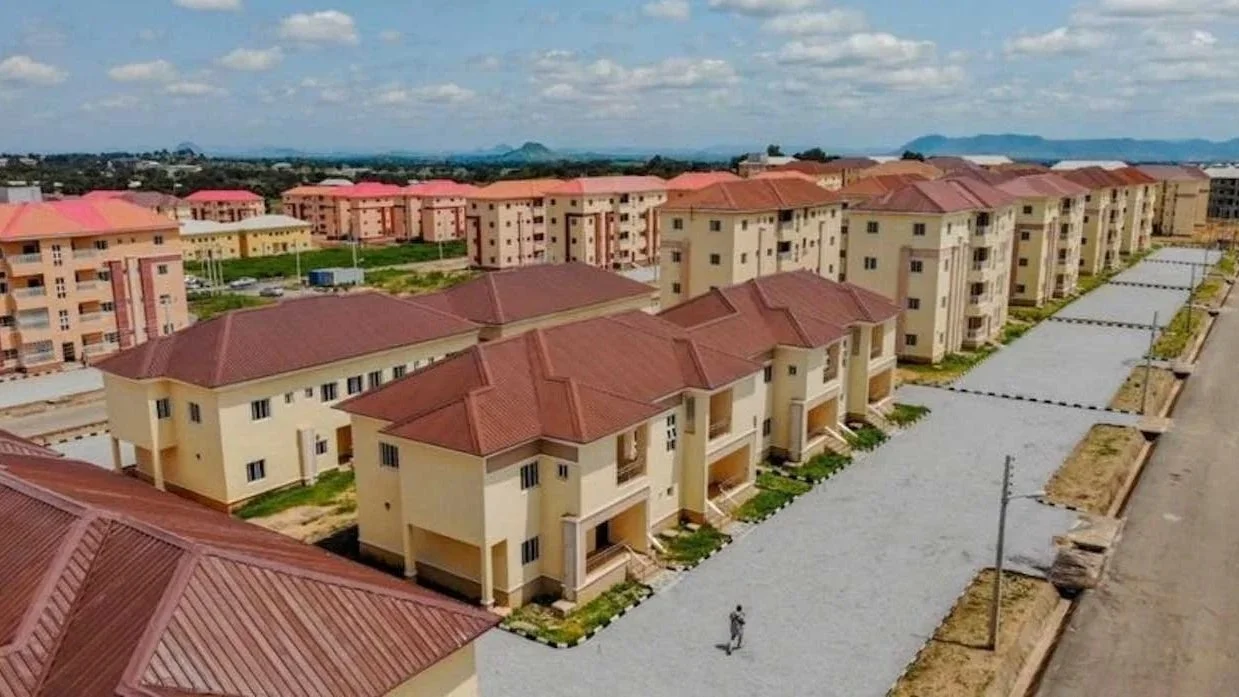

Renewed Hope Housing Programme Gains Momentum
According to the Presidency, the Renewed Hope Housing Programme has emerged as one of the flagship initiatives of the current administration, targeting increased access to affordable housing while creating jobs and supporting local economic growth.
The programme includes the development of Renewed Hope Cities, Renewed Hope Estates and social housing projects across multiple states. Government officials say these projects are designed to address housing shortages while promoting inclusive urban development.
President Tinubu noted that housing remains a strategic sector due to its strong linkages with construction, manufacturing, finance and employment generation. He stressed that investments in housing have the capacity to stimulate wider economic growth while improving social welfare outcomes.
Dangiwa’s Reforms Receive Presidential Recognition
The President specifically commended Minister Dangiwa for driving policy reforms and accelerating project implementation across the housing sector. Since assuming office, the minister has overseen initiatives aimed at improving housing delivery, strengthening partnerships with private developers and expanding access to housing finance.
Among the reforms highlighted are efforts to modernise land administration systems, attract private-sector investment and improve affordability through innovative financing mechanisms. The ministry has also prioritised collaboration with state governments and development partners to increase housing supply.
Industry stakeholders have generally welcomed these measures, arguing that improved policy coordination and investment frameworks are essential for addressing Nigeria’s estimated housing deficit.
Housing Delivery and Economic Impact
Government officials emphasised that the housing programme extends beyond residential construction. The initiative is expected to generate employment opportunities across the construction value chain, including building materials manufacturing, engineering services, logistics and related industries.
The housing sector remains a significant contributor to economic development due to its multiplier effects on other sectors. Increased construction activity can stimulate demand for cement, steel, electrical materials and other locally produced inputs, supporting industrial growth and job creation.
Analysts note that large-scale housing projects can also improve infrastructure development by encouraging investments in roads, water systems, electricity networks and community facilities.
Expanding Access to Homeownership
A key objective of the Renewed Hope Housing Programme is to improve access to affordable homeownership for low- and middle-income Nigerians. Government officials say the programme incorporates a range of financing options intended to make housing more accessible to a broader segment of the population.
The Federal Mortgage Bank of Nigeria (FMBN), the Nigeria Mortgage Refinance Company (NMRC) and other housing finance institutions are expected to play important roles in supporting mortgage accessibility and financing delivery.
Housing experts have consistently argued that increasing access to affordable financing remains critical to improving homeownership rates and expanding the formal housing market.
Strengthening Public-Private Partnerships
The administration has also placed significant emphasis on leveraging public-private partnerships to accelerate housing development. By working with private developers and investors, the government aims to scale up housing production while reducing the financial burden on public resources.
Industry participants have highlighted public-private collaboration as one of the most effective approaches to addressing the country’s housing challenges, particularly given the scale of investment required to bridge the housing gap.
The ministry has continued to engage developers, financial institutions and international partners in efforts to mobilise capital and technical expertise for housing projects nationwide.
Implications for the Housing Market
The progress reported under the Renewed Hope Housing Programme could have broader implications for Nigeria’s real estate and construction sectors. Increased housing supply may help address affordability concerns while creating opportunities for developers, contractors, financial institutions and infrastructure providers.
The programme’s focus on large-scale development also aligns with national objectives around urbanisation, economic diversification and inclusive growth. As more projects move from planning to completion, stakeholders will be watching closely to assess their impact on housing accessibility and market dynamics.
For investors, sustained government commitment to housing development could improve confidence in the sector and encourage greater participation in residential and mixed-use projects.
Outlook
President Tinubu’s endorsement of the Renewed Hope Housing Programme underscores the administration’s commitment to expanding housing access and strengthening the role of the sector in national development. With more than 100,000 housing units reportedly delivered, under construction or in advanced stages of development, the programme has become a central pillar of the government’s infrastructure agenda.
As implementation continues, the effectiveness of ongoing reforms, financing initiatives and public-private partnerships will play a crucial role in determining the programme’s long-term impact on housing affordability, economic growth and urban development across Nigeria.
READ MORE