Water Supply Remains Central to Akwa Ibom’s Development Agenda, Commissioner Says
Reliable Water Supply Critical to Economic Development, Akwa Ibom Says
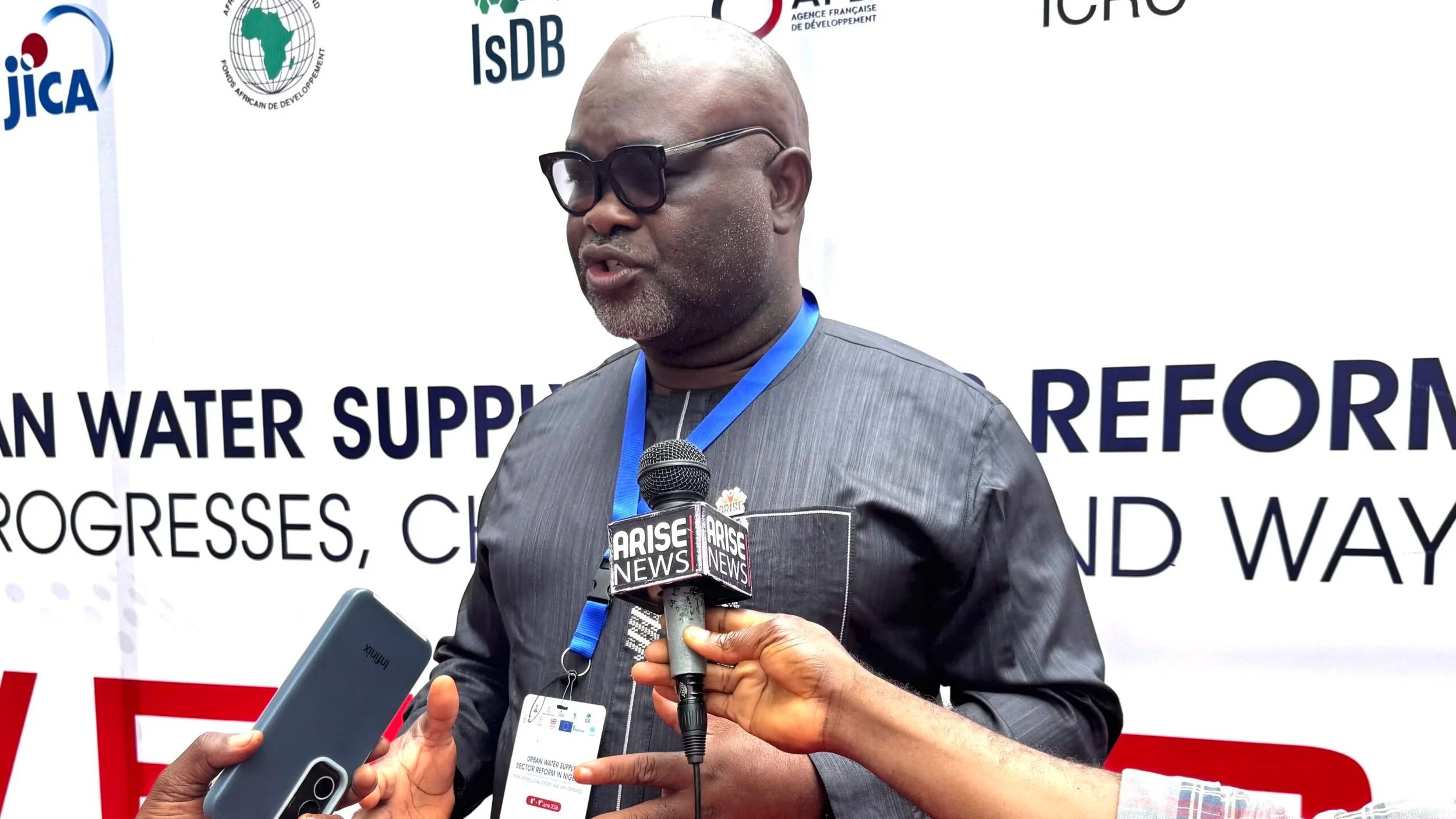
The Akwa Ibom State Government has reaffirmed that access to reliable water supply remains a cornerstone of its development strategy, underscoring the critical role of water infrastructure in supporting economic growth, public health and sustainable urban development. The state’s Commissioner for Water Resources and Sanitation made the position clear during discussions on ongoing efforts to strengthen water services and improve access across communities.
/ You Might Also Like /
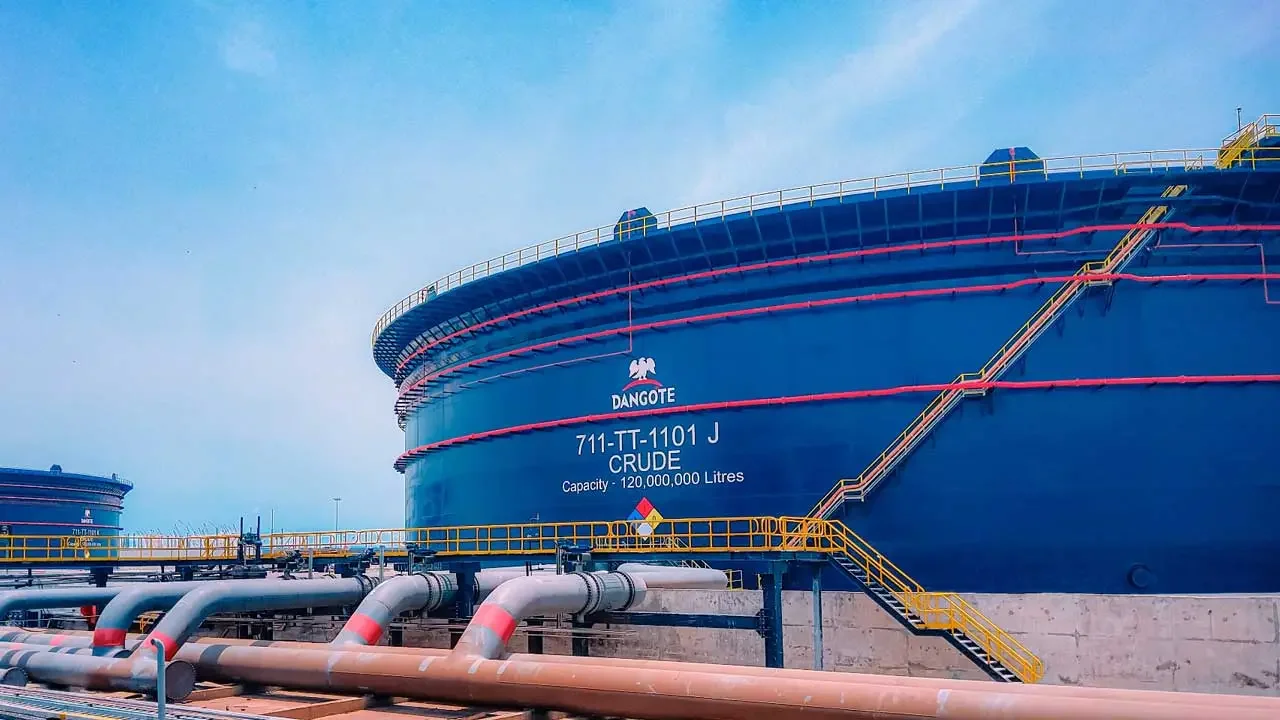



According to the commissioner, the government views water supply as a fundamental requirement for social and economic development. Investments in water infrastructure are expected to support residential communities, businesses, healthcare facilities and industrial activities while improving living standards across the state.
Water Infrastructure as a Development Priority
The state government has identified water security as a strategic component of its broader development agenda. Officials noted that reliable access to clean water is essential for improving public health outcomes, supporting economic productivity and enhancing the quality of life for residents.
Water infrastructure also plays a critical role in urban planning and housing development. As cities and communities expand, the availability of sustainable water systems becomes increasingly important for supporting population growth and maintaining livable environments.
Industry experts have consistently argued that adequate water infrastructure is one of the key foundations for successful housing and real estate development. Communities with reliable access to water services tend to attract greater investment and experience stronger long-term growth.
Supporting Housing and Urban Development
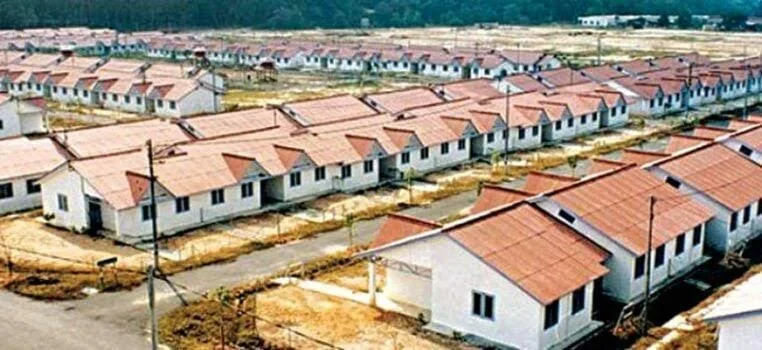
For the housing sector, water supply remains one of the most important infrastructure requirements. Residential developments depend on reliable water networks to support households, sanitation systems and community facilities.
The Akwa Ibom government's focus on water infrastructure aligns with broader efforts to improve urban services and create conditions that support sustainable housing delivery. Developers and investors often consider access to utilities such as water, electricity and transportation when evaluating new projects.
As Nigeria continues to urbanise, experts believe that investments in water infrastructure will become increasingly important for addressing housing needs and supporting orderly urban expansion.
Improving Public Health Outcomes
Beyond its economic significance, access to clean water remains a major public health priority. Adequate water supply and sanitation services help reduce the incidence of waterborne diseases and improve overall community well-being.
The commissioner emphasised the link between water access and improved health outcomes, noting that investments in water systems contribute directly to better living conditions and stronger social development indicators.
Public health experts have long identified access to safe drinking water as one of the most effective interventions for improving community health and reducing healthcare burdens.
Economic Benefits of Water Investments
Reliable water infrastructure also supports economic activity across multiple sectors. Manufacturing facilities, commercial enterprises, agricultural operations and service industries all depend on access to dependable water resources.
By strengthening water systems, governments can improve the operating environment for businesses while supporting job creation and investment. Analysts note that infrastructure investments often generate wider economic benefits through increased productivity and improved service delivery.
For Akwa Ibom, continued investment in water infrastructure could strengthen the state's attractiveness as a destination for industrial, commercial and residential development.
Alignment With Sustainable Development Goals
The state’s emphasis on water supply also aligns with broader national and international sustainability objectives. Access to clean water and sanitation remains one of the United Nations Sustainable Development Goals (SDGs), with governments encouraged to expand infrastructure and improve service delivery.
Stakeholders across Nigeria have increasingly called for greater investment in water infrastructure, particularly as population growth and urbanisation place additional pressure on existing systems. Recent discussions among water sector experts have also highlighted the need for stronger policy implementation, sustainable financing and improved governance across the sector.
Outlook
Akwa Ibom State’s commitment to prioritising water supply reflects growing recognition of the role that infrastructure plays in economic development, housing delivery and public welfare. As the state continues to invest in water and sanitation services, policymakers will be looking to improve access, strengthen resilience and support long-term growth.
For the housing and real estate sectors, enhanced water infrastructure represents a critical enabler of sustainable development. Continued investment in utilities and public infrastructure is expected to remain central to efforts aimed at improving living standards and attracting new investment across Akwa Ibom State.
READ MORE