Tinubu Expands CNG Initiative to Include Electric Vehicles Nationwide
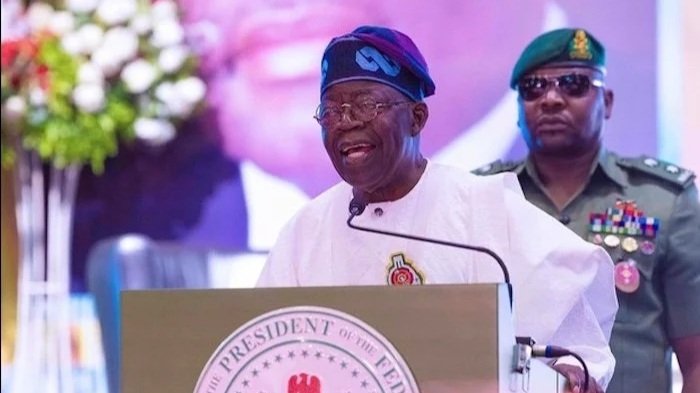
Tinubu Broadens Clean Transport Strategy with CNG and EV Integration
President Bola Ahmed Tinubu has approved the expansion of Nigeria’s Presidential Initiative on Compressed Natural Gas (PiCNG) to include electric vehicles, marking a significant shift in the country’s clean mobility strategy. The policy, announced on March 27, 2026, aims to promote affordable transportation, strengthen energy security, and accelerate the transition to sustainable energy.
Repositioning Nigeria’s Clean Transport Strategy
Under the new framework, the initiative will now operate as the Presidential Initiative on Compressed Natural Gas and Electric Vehicles (PiCNG & EV), serving as the central platform for coordinating Nigeria’s transition to alternative fuel transportation.
The expanded mandate integrates both gas-powered and electric mobility solutions, reflecting a dual-track approach to reducing reliance on petrol while addressing rising energy costs.
/ You Might Also Like /




Infrastructure Rollout and Implementation Plan
The government will continue to scale CNG infrastructure, including refuelling stations, conversion programmes, and vehicle deployment. At the same time, the initiative will oversee the development of electric vehicle ecosystems, including charging infrastructure and investment frameworks.
Authorities have also directed the rapid rollout of vehicle conversion kits nationwide, supported by financing structures in collaboration with financial institutions to ensure affordability for consumers.
Additionally, the deployment of mobile refuelling units is expected to bridge infrastructure gaps as permanent facilities are expanded.
Economic and Energy Implications
The integration of electric vehicles into the CNG programme aligns with broader government objectives to lower transportation costs and reduce dependence on imported fuel.
Gas remains a strategic domestic resource, offering a cost-competitive alternative to petrol while conserving foreign exchange. The addition of EVs further positions Nigeria to benefit from global trends toward electrification and low-carbon transport systems.
Industry observers note that the policy could stimulate investment in vehicle assembly, charging infrastructure, and related supply chains, while also creating new employment opportunities.
Policy Context and Market Transition
The expansion comes amid ongoing efforts to cushion the impact of fuel subsidy removal and rising petrol prices. By promoting both CNG and electric mobility, the government is pursuing a diversified energy strategy that balances short-term cost relief with long-term sustainability goals.
The initiative also reflects increasing policy alignment with global climate commitments and the need to modernise Nigeria’s transport infrastructure.
Outlook
The inclusion of electric vehicles in the CNG initiative signals a broader transformation of Nigeria’s transport and energy landscape.
While execution challenges remain particularly around infrastructure, financing, and adoption the dual CNG-EV strategy provides a scalable pathway for reducing transport costs, improving energy efficiency, and advancing clean mobility nationwide.
READ MORE