Poultry Farmers Oppose Nigeria-China $900m Deal Over Industry Risks
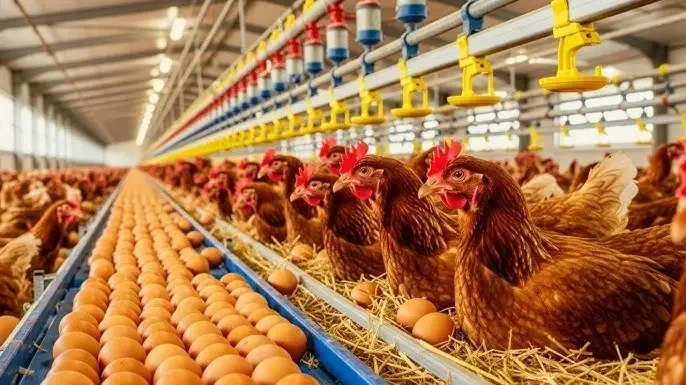
Stakeholders Raise Concerns Over Nigeria,China Poultry Investment Plan
Poultry farmers in Nigeria have raised concerns over a proposed $900 million investment deal between the Federal Government and China, warning that the initiative could undermine local production if not carefully structured. The opposition, led by the Poultry Association of Nigeria (PAN), highlights growing tensions between foreign investment and domestic industry protection.
Concerns Over Impact on Local Industry
Stakeholders argue that while investment in the poultry sector is necessary, the current structure of the deal may disadvantage indigenous producers. PAN officials warn that introducing large-scale, foreign-backed operations could crowd out local farmers and weaken the domestic value chain.
/ You Might Also Like /




Industry representatives have called on the government to prioritise policies that strengthen local capacity, improve productivity, and support existing operators before introducing external competition.
Details of the Proposed Investment
The Federal Government is reportedly planning a $900 million partnership with Chinese investors to develop large-scale poultry facilities capable of producing up to six million eggs daily. The initiative aims to address Nigeria’s protein deficit and improve food security.
The project is expected to include integrated poultry systems such as hatcheries, feed mills, and processing units, signalling a shift toward industrial-scale production within the sector.
Structural Challenges in the Poultry Sector
The pushback comes amid ongoing challenges within Nigeria’s poultry industry. Rising feed costs, inflation, and weak consumer purchasing power have significantly affected production and demand.
According to industry data, poultry farmers recorded losses exceeding ₦3 trillion in 2023, with more than 50% of farms reportedly shutting down due to economic pressures.
Stakeholders emphasise that the sector’s primary constraint is not production capacity but affordability, as many consumers struggle to purchase eggs and poultry products despite available supply.
Calls for Policy Recalibration
Industry leaders have urged the Federal Government to engage more closely with local stakeholders before finalising the agreement. They recommend targeted interventions such as:
Subsidising feed inputs to reduce production costs
Expanding access to finance for small and medium-scale farmers
Supporting local value chain development and export potential
Strengthening regulatory oversight on foreign partnerships
Farmers also raised concerns about potential health and safety implications, calling for strict standards and due diligence in the implementation of any international collaboration.
Investment vs. Domestic Capacity Debate
The proposed deal reflects Nigeria’s broader strategy of leveraging foreign partnerships to scale agricultural production and enhance food security. However, it also underscores a recurring policy dilemma balancing foreign investment with the protection and growth of domestic industries.
Analysts note that while large-scale investments can improve efficiency and output, failure to integrate local producers into the value chain could exacerbate existing inequalities within the sector.
Outlook
The resistance from poultry farmers signals the need for a more inclusive approach to agricultural investment in Nigeria.
As the government advances discussions on the $900 million deal, aligning foreign capital with local industry development will be critical to ensuring sustainable growth, protecting livelihoods, and achieving long-term food security objectives.
READ MORE