House of Representatives Investigates Escalating Building Material Prices
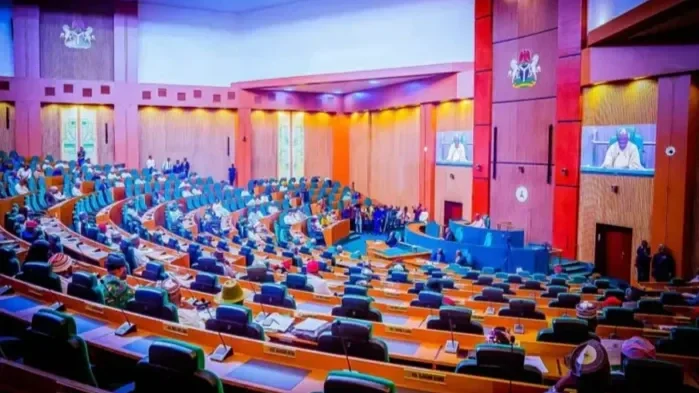
Housing Crisis Deepens as Reps Probe Construction Material Inflation
The House of Representatives has resolved to investigate the persistent rise in building material prices across Nigeria, warning that escalating construction costs are worsening the country’s housing affordability crisis and deepening pressure on households and developers.
The resolution followed the adoption of a motion sponsored by Hon. Oboku Abonsizibe Oforji during plenary, where lawmakers expressed concern over the rapid increase in the prices of cement, steel, timber, sand, granite, and other essential construction materials.
/ You Might Also Like /




Lawmakers argued that the continued surge in construction costs is undermining affordable housing delivery, stalling projects, and increasing rental and property prices nationwide.
Cement Prices Rise Above ₦11,000 Per Bag
According to the motion presented before the House, the price of a 50kg bag of cement has increased sharply from about ₦7,500 in late 2025 to between ₦11,500 and ₦12,100 in 2026, representing a rise of roughly 50% to 60% within a relatively short period.
The lawmakers further noted that cement prices in Nigeria have climbed by more than 300% since 2019, when a bag sold for between ₦2,400 and ₦3,000.
In addition to cement, the House highlighted substantial increases in the cost of steel, sharp sand, granite, and timber. Steel prices reportedly rose by about 20%, while sharp sand increased by approximately 25% over the same period.
The lawmakers expressed concern that the increases are occurring despite Nigeria’s abundance of locally sourced raw materials such as limestone, sand, granite, and timber used in construction manufacturing.
Housing Deficit Worsens Amid Rising Construction Costs
The House warned that the surge in building material prices is exacerbating Nigeria’s housing deficit, which lawmakers estimate has now reached approximately 28 million units.
According to the motion, rising construction costs are making affordable housing increasingly inaccessible to low- and middle-income earners while also discouraging private sector investment in residential development.
Lawmakers stated that several public and private construction projects have already been delayed or abandoned due to the rising cost burden.
The House also noted that escalating material prices are contributing to higher rents and property values across major urban centres, intensifying financial pressure on households already grappling with inflation and declining purchasing power.
Reps Suspect Market Distortions and Anti-Competitive Practices
During deliberations, lawmakers suggested that the pricing trend may indicate possible inefficiencies, supply chain disruptions, market distortions, or anti-competitive practices within the construction materials value chain.
The House subsequently urged the Federal Government, through the Federal Ministry of Housing and Urban Development, the Federal Ministry of Industry, Trade and Investment, and the Federal Competition and Consumer Protection Commission (FCCPC), to investigate the root causes of the persistent price increases.
Lawmakers directed that the investigation should specifically examine potential exploitation, supply chain bottlenecks, pricing irregularities, and anti-competitive conduct affecting the sector.
An ad hoc committee has also been constituted to conduct a broader investigation and provide recommendations for legislative and regulatory action.
Construction Sector Remains Critical to Economic Growth
The lawmakers acknowledged that Nigeria’s construction sector remains a major contributor to economic activity, with the industry valued at more than ₦25.7 trillion in 2025.
Industry analysts note that the sector supports millions of direct and indirect jobs across manufacturing, engineering, logistics, real estate development, and artisan services.
However, experts warn that sustained inflation in construction inputs could reduce project viability, weaken investor confidence, and slow infrastructure expansion across both public and private sectors.
The cost escalation also poses challenges for government infrastructure projects, many of which now require upward budget revisions to accommodate rising material expenses.
Pressure Mounts on Affordable Housing Delivery
The latest development comes amid increasing concerns about housing affordability across Nigeria’s major urban centres, including Lagos, Abuja, Port Harcourt, Kano, and Ibadan.
Developers have repeatedly cited rising costs of cement, reinforcement materials, energy, transportation, and foreign exchange volatility as key drivers of higher housing prices.
Analysts argue that unless building material inflation is addressed, efforts to expand affordable housing supply under both federal and state housing programmes may face significant setbacks.
The growing disparity between income levels and housing costs has also intensified concerns over urban inequality, informal settlements, and access to decent housing for lower-income households.
The House of Representatives’ decision to investigate rising building material costs reflects growing concern over the impact of construction inflation on Nigeria’s housing sector and broader economy.
With cement and other key inputs reaching record price levels, lawmakers are seeking regulatory and policy interventions to address potential market distortions, protect consumers, and support affordable housing development.
The outcome of the investigation could shape future reforms within Nigeria’s construction and housing sectors, particularly as policymakers attempt to balance infrastructure expansion with affordability and economic sustainability.
READ MORE