Lagos Approves 14 Electricity Operators to Expand Off-Grid and Metering Market
LASERC Approves 14 Electricity Projects Across Generation and Distribution Markets
The Lagos State Government has approved 14 electricity licences and permits spanning off-grid generation, embedded generation, independent electricity distribution, metering services, and interconnected mini-grid operations as part of ongoing reforms aimed at transforming the state’s electricity market.
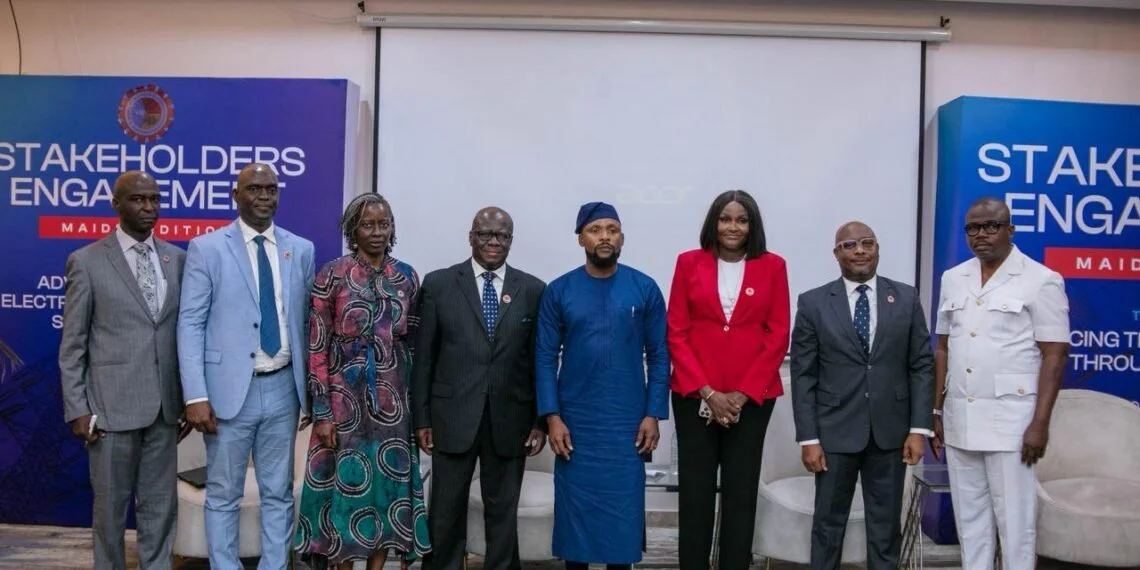
The approvals were issued by the Lagos State Electricity Regulatory Commission (LASERC) during its maiden stakeholder engagement held earlier this week in Lagos. The move represents one of the most significant regulatory milestones since Lagos commenced implementation of its independent electricity market framework.
/ You Might Also Like /




According to LASERC, the approvals are intended to strengthen private sector participation, improve electricity reliability, and accelerate decentralised power delivery across industrial and residential clusters within the state.
Lagos Expands Decentralised Electricity Infrastructure
The newly approved operators cover multiple segments of the electricity value chain, reflecting Lagos State’s strategy to reduce dependence on the national grid while improving energy access across commercial and peri-urban areas.
Among the approved projects, Axxela Limited secured approval for a 5.8MW off-grid generation project serving Cadbury Nigeria Plc in Agidingbi. Daybreak Power Solutions Limited also received multiple off-grid generation licences covering industrial facilities operated by Seven-Up Bottling Company, Nigerian Breweries, Nigerian Bottling Company, Crown Flour Mill, Nigerdock, and Promasidor.
Isolo Power Gen Limited was granted approval for a 9MW embedded generation project located along the Apapa-Oshodi Expressway in Isolo, while Isolo Power Supply Limited received an Independent Electricity Distribution Network (IEDN) licence for electricity distribution operations within the same corridor.
Additional approvals were issued to New Hampshire Capital, GossLink Engineering Limited, and Enaro Energy Mini-Grid Limited for metering and mini-grid operations across various parts of Lagos State.
LASERC Targets More Competitive Electricity Market
LASERC stated that the licensing programme forms part of a broader effort to establish a transparent, investment-driven electricity market capable of supporting long-term energy reliability within Nigeria’s commercial capital.
According to the commission, the decentralised framework is expected to improve electricity access in industrial hubs and underserved communities while reducing pressure on the national transmission system.
The commission also disclosed that Lagos aims to achieve 97.5% electricity availability by 2030 while reducing technical and commercial losses to below 10% through a performance-driven electricity system.
Industry analysts note that embedded generation and mini-grid infrastructure are increasingly becoming critical components of Nigeria’s energy transition strategy, particularly in urban centres where grid instability continues to constrain economic productivity.
Reforms to Introduce 24-Hour Electricity Franchise Zones
As part of planned reforms beginning in 2026, LASERC announced plans to establish between two and three pilot franchise zones capable of delivering uninterrupted 24-hour electricity supply by October 2026.
The commission also plans to implement a statewide 100% metering initiative beginning in July 2026, alongside the introduction of Grid Interface Guidelines designed to improve integration between decentralised operators and existing infrastructure.
Consumer complaint centres are expected to commence operations in phases across Amuwo Odofin, Ikorodu, and Epe from the third quarter of 2026 to strengthen regulatory oversight and improve service accountability.
LASERC further revealed plans to deploy the Electric Eye of Lagos (EEL) Programme, an AI-enabled metering and monitoring system scheduled for pilot implementation in October 2026.
Lagos Electricity Reform Gains Momentum
The approvals build on reforms initiated after Governor Babajide Sanwo-Olu signed the Lagos Electricity Bill into law in 2024, establishing the legal framework for an independent state electricity market. The legislation replaced the Lagos State Power Sector Reform Law of 2018 and granted LASERC authority to regulate electricity generation, transmission interfaces, distribution, and tariffs within the state.
The reforms also align with the Federal Government’s 2023 constitutional and policy changes allowing Nigerian states to independently regulate and operate electricity markets beyond the national grid structure.
In April 2026, Lagos State signed Power Purchase Agreements (PPAs) and concession arrangements with three independent power producers as part of efforts to scale generation capacity from below 60MW to between 200MW and 400MW over the coming years.
Implications for Businesses and Investors
The expansion of decentralised electricity infrastructure is expected to have significant implications for industrial productivity, manufacturing competitiveness, and investor confidence within Lagos State.
Businesses operating in Lagos have historically relied heavily on diesel and gas-powered self-generation due to inconsistent grid supply, increasing operational costs across sectors including manufacturing, logistics, hospitality, and real estate.
Analysts argue that improved off-grid and embedded generation systems could help lower energy costs, reduce reliance on fuel-powered generators, and improve efficiency within industrial clusters.
The reforms are also expected to create new opportunities for private capital investment across power generation, smart metering, energy technology, and electricity distribution infrastructure.
Lagos State’s approval of 14 electricity licences marks a major step in the state’s ongoing transition toward a decentralised and investment-driven electricity market. Through expanded off-grid generation, mini-grid deployment, embedded power systems, and metering reforms, the state aims to improve electricity reliability and reduce dependence on the national grid.
As LASERC accelerates implementation of its regulatory framework, the reforms could position Lagos as a model for subnational electricity market development in Nigeria, particularly in addressing urban energy demand, infrastructure financing, and private sector participation in power delivery.
READ MORE