Lagos Tenants Accuse Landlord of Renting Same Apartments to Over 15 People

Lagos Tenants Cry Out Over Alleged Apartment Allocation Fraud
Several apartment seekers and tenants in Lagos State have accused a landlord of allegedly collecting rent payments from more than 15 individuals for the same apartments, intensifying concerns about fraud, weak consumer protection, and growing instability within Nigeria’s rental housing market.
The allegations involve a Lagos property owner identified as Mr. Femi Olarenwaju, who tenants claim repeatedly accepted payments for identical housing units while construction and renovation work on the property remained incomplete. Victims allege that the situation left many renters stranded, financially exposed, and without access to the apartments they believed they had secured.
/ You Might Also Like /




The incident has renewed public scrutiny of transparency and accountability within Lagos’ increasingly pressured housing sector, where rising rents and housing shortages continue to expose tenants to exploitation and informal practices.
Tenants Describe Confusion Over Duplicate Apartment Allocations
According to several affected renters, the apartments were advertised and allocated during an ongoing renovation phase, with tenants making substantial upfront payments before discovering that multiple people had been assigned the same units.
One victim, Faith Praise Akpan, stated that she paid ₦750,000 in June 2025 for an apartment she expected to occupy the following month, only to discover upon arrival that numerous others had also paid for the same property.
Another tenant, Uduak Ogbuehi, alleged that she paid ₦1.5 million for a two-bedroom apartment through a workplace loan arrangement, later discovering that at least 15 individuals had claims to the same unit.
Several victims also alleged that no formal tenancy receipts were issued beyond bank transfer evidence, raising additional concerns about documentation and regulatory compliance in the transaction process.
The tenants claim repeated efforts to secure refunds or mediation through police authorities and dispute resolution channels have produced limited results.
Allegations Reflect Wider Housing Market Vulnerabilities
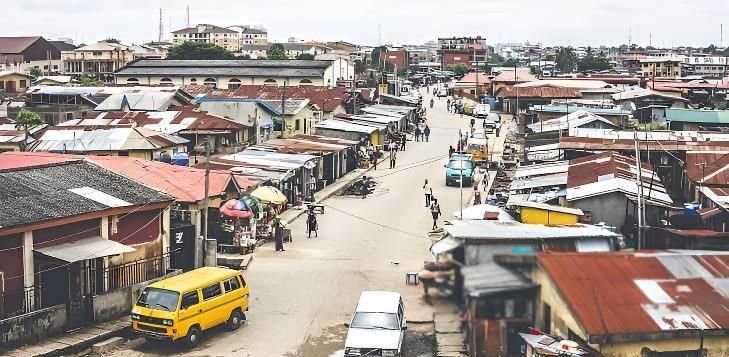
The dispute emerges at a time when Lagos continues to face mounting housing affordability and supply pressures. Analysts have repeatedly warned that Nigeria’s widening housing deficit and rapid urbanisation are increasing tenant vulnerability to fraudulent schemes and informal rental arrangements.
According to a recent housing market report by Vanguard, Nigeria’s housing deficit is estimated at approximately 14.9 million units, while experts say the country requires roughly 550,000 new housing units annually over the next decade to narrow the gap.
The report also highlighted worsening rent inflation across Lagos and other major cities, with many tenants facing steep increases in annual rents, agency charges, and advance payment demands.
Housing experts note that constrained supply, weak enforcement mechanisms, and limited affordable housing options have contributed to an environment where fraudulent property transactions can thrive.
Rising Rent Pressures Fuel Tenant Desperation
The Lagos rental market has experienced significant price escalation over the past several years, driven by inflation, population growth, rising construction costs, and reduced housing supply.
In many areas of Lagos, tenants are now required to pay one to two years’ rent upfront, alongside agency fees, legal charges, and caution deposits, significantly increasing financial pressure on households.
Industry observers argue that these market conditions often push desperate renters into rushed agreements with limited due diligence, particularly where vacancy rates remain low and demand for accommodation is intense.
A broader housing affordability crisis has also emerged across several Nigerian cities, including Abuja, Ibadan, Port Harcourt, and Enugu, where tenants increasingly report arbitrary rent increases and exploitative practices by landlords and agents.
Concerns Over Weak Regulatory Oversight
The allegations have triggered renewed calls for stronger regulation of tenancy agreements, rental transactions, and real estate intermediaries operating within Lagos State.
Housing advocates argue that the absence of centralised rental verification systems and weak enforcement of tenancy regulations leave renters vulnerable to abuse and fraudulent practices.
Legal experts also note that many informal rental transactions occur without comprehensive documentation, written agreements, or proper registration, complicating dispute resolution when conflicts arise.
The Lagos State Government has previously introduced tenancy regulations aimed at reducing excessive charges and improving tenant protection. However, enforcement challenges continue to limit the effectiveness of these measures.
Analysts say the latest allegations may intensify pressure on authorities to strengthen oversight mechanisms within the property market and improve access to legal remedies for affected tenants.
Impact on Investor and Market Confidence
Beyond the immediate victims, incidents involving alleged rental fraud can undermine confidence in the broader real estate sector, particularly at a time when Nigeria is attempting to attract increased private investment into housing development.
Market transparency and legal certainty remain critical factors for institutional investors, developers, and prospective homeowners evaluating opportunities within Lagos’ property market.
Experts warn that unresolved disputes and fraudulent rental practices could discourage investment in lower- and middle-income housing segments, where demand remains highest.
The controversy also highlights the importance of formal property documentation, licensed estate practitioners, and regulated transaction systems in improving trust across Nigeria’s housing ecosystem.
Calls for Government Intervention
Affected tenants have called on law enforcement agencies and the Lagos State Government to investigate the allegations and facilitate recovery of funds allegedly lost in the disputed transactions.
As of the latest reports, attempts to reach the landlord for official comment were reportedly unsuccessful.
The case continues to generate widespread discussion across social media platforms and housing advocacy circles, with many Nigerians citing similar experiences involving disputed tenancy arrangements, advance rent payments, and apartment allocation conflicts.
The allegations involving multiple renters paying for the same apartments underscore the growing challenges facing tenants within Lagos’ strained housing market. As housing demand continues to outpace supply, concerns around transparency, accountability, and tenant protection are becoming increasingly central to discussions about Nigeria’s urban housing future.
For policymakers, the incident reinforces the urgent need for stronger regulatory oversight, improved tenancy documentation systems, and broader reforms aimed at increasing housing affordability and market transparency across Lagos and other rapidly expanding cities.
READ MORE