Architects Reimagine Lagos Beyond Urban Chaos as a Living, Evolving Story
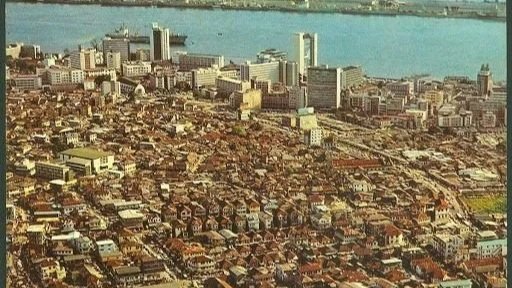
Lagos Urban Future Takes Centre Stage in Architectural Discourse
Architects and urban design professionals are increasingly redefining Lagos not simply as a megacity struggling with congestion and infrastructure pressure, but as a continuously evolving urban narrative shaped by resilience, culture, adaptation, and economic transformation.
The renewed conversation around Lagos’ architectural identity emerged during discussions featured in BusinessDay’s exploration of how architects are interpreting the city’s growth beyond conventional urban stereotypes. The discourse reflects a broader shift in how professionals within the built environment view Lagos not as a static urban centre, but as a living system constantly reinventing itself through migration, commerce, infrastructure expansion, and informal innovation.
/ You Might Also Like /




Industry experts argue that Lagos’ complexity presents opportunities for new models of architecture and urban planning capable of responding to population growth, climate risks, affordability challenges, and shifting economic realities.
Lagos Viewed as More Than a Conventional Megacity
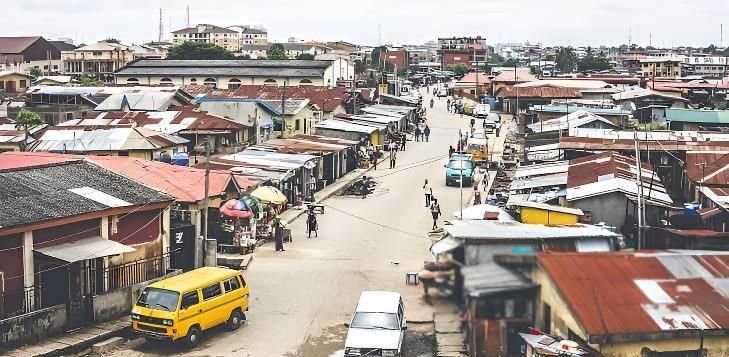
Architects involved in the discussions described Lagos as a city whose identity cannot be reduced solely to traffic congestion, overcrowding, or infrastructure deficits. Instead, they argued that the city reflects a layered urban experience shaped by culture, informal economies, migration, creativity, and rapid spatial evolution.
The conversation aligns with broader international architectural discourse that increasingly positions Lagos as one of Africa’s most influential urban laboratories. Urban theorists and architects including Rem Koolhaas and Kunlé Adeyemi have previously described Lagos as a city that demonstrates how urban systems can evolve through adaptation and informal organisation despite structural pressures.
According to experts, the city’s rapid transformation continues to reshape how architecture responds to mobility, density, climate resilience, and public space in emerging economies.
Architecture Increasingly Linked to Storytelling and Identity
The discussions also reflect growing interest in architecture as a form of storytelling capable of capturing Lagos’ social and economic realities.
This perspective has gained momentum across professional gatherings within Nigeria’s built environment sector. The Nigerian Institute of Architects (NIA), Lagos Chapter, recently announced the 17th edition of the Lagos Architects Forum themed “Lagos Architecture: The Movie,” designed to explore how architecture interacts with entertainment, storytelling, and cultural identity.
According to organisers, Lagos’ expanding creative economy is influencing demand for new forms of architectural infrastructure, including film studios, theatres, mixed-use cultural spaces, and event venues.
Architects argue that urban design in Lagos increasingly reflects both economic functionality and cultural expression, particularly as younger designers seek to incorporate indigenous materials, tropical modernism, sustainability principles, and local social realities into contemporary projects.
Urban Growth Continues to Reshape Lagos
Lagos remains one of Africa’s fastest-growing urban centres, with population expansion, commercial growth, and infrastructure investment continuing to redefine the city’s physical landscape.
According to urban development analysts, ongoing projects across transportation, housing, and coastal infrastructure are significantly altering the structure of Lagos’ metropolitan economy. Infrastructure initiatives such as the Lagos-Calabar Coastal Road, rail expansion projects, and urban regeneration programmes are already influencing investment patterns and real estate development corridors.
At the same time, architects and planners face mounting pressure to address longstanding urban challenges including flooding, housing shortages, informal settlements, and environmental sustainability.
Housing affordability remains a major concern. Recent housing market assessments indicate that rent inflation in Lagos has outpaced income growth, with many households increasingly priced out of formal housing markets.
Experts argue that future architectural solutions must prioritise affordability, density management, climate adaptation, and integrated infrastructure if Lagos is to sustain long-term urban growth.
Informal Urbanism Continues to Influence Design Thinking
A recurring theme within discussions about Lagos architecture is the role of informal urban systems in shaping how the city functions.
Analysts note that many Lagos communities have historically developed outside formal planning frameworks yet continue to demonstrate strong economic and social resilience. Waterfront settlements such as Makoko, for example, have become focal points in debates surrounding climate adaptation, floating infrastructure, and inclusive urban development.
Urban designers increasingly argue that future planning models for Lagos must integrate informal economies and community-driven development rather than relying solely on top-down urban restructuring approaches.
This evolving philosophy is influencing conversations around adaptive architecture, resilient infrastructure, and mixed-income urban regeneration strategies within rapidly expanding districts.
Sustainability and Climate Resilience Gain Importance
Climate resilience is also becoming central to architectural thinking in Lagos as rising sea levels, coastal erosion, flooding, and environmental stress place additional pressure on urban infrastructure.
Industry experts note that developers and policymakers are increasingly prioritising climate-resilient construction, transit-oriented development, waterfront adaptation strategies, and sustainable housing models.
Architects argue that Lagos’ coastal geography and environmental vulnerabilities require innovative design approaches capable of balancing economic expansion with long-term ecological sustainability.
The city’s growing focus on blue economy initiatives, coastal redevelopment, and resilient infrastructure planning is expected to significantly influence future architectural and urban development trends.
Real Estate and Investment Landscape Continues to Evolve
The reimagining of Lagos through architecture also reflects broader changes within the city’s real estate and investment ecosystem.
Developers are increasingly positioning Lagos as a global commercial and lifestyle destination through large-scale mixed-use projects, waterfront developments, logistics hubs, and urban regeneration initiatives.
Analysts say architecture is becoming an important component of investment strategy as developers seek to differentiate projects through design quality, sustainability features, and integrated live-work-play concepts.
The growing intersection between architecture, infrastructure, tourism, culture, and technology is also contributing to Lagos’ emergence as one of Africa’s most closely watched urban economies.
The evolving discourse around Lagos architecture reflects a broader reassessment of the city’s identity, potential, and future direction. Rather than viewing Lagos solely through the lens of congestion and urban pressure, architects and planners are increasingly framing the city as a dynamic and adaptive urban story shaped by resilience, creativity, commerce, and transformation.
As Lagos continues to expand economically and spatially, architecture is expected to play a critical role in shaping how the city responds to infrastructure demands, climate challenges, housing pressures, and cultural evolution. For investors, policymakers, and urban development professionals, the city’s unfolding architectural narrative may ultimately define the future of Africa’s largest metropolitan economy.
READ MORE