Taraba Intensifies Flood Control Efforts Through Drainage Clearance Campaign
Taraba Government Steps Up Flood Mitigation Efforts Across Communities
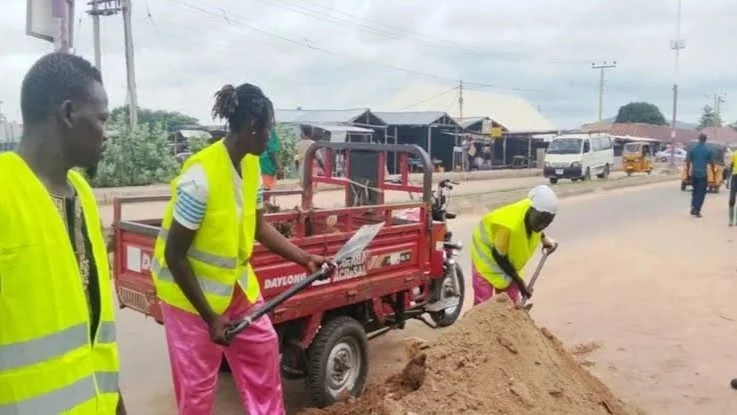
The Taraba State Government has stepped up efforts to reduce flood risks across vulnerable communities by commencing the clearing of drainage channels and waterways ahead of peak rainfall periods. The initiative forms part of the state's broader flood mitigation strategy aimed at protecting lives, property and critical infrastructure from the growing threat of seasonal flooding.
/ You Might Also Like /




The intervention comes amid increased warnings from environmental and water management agencies about the likelihood of flooding in several parts of Nigeria during the 2026 rainy season. By targeting blocked drainage systems and encroached waterways, the state government seeks to improve stormwater flow and reduce the impact of heavy rainfall on urban and rural settlements.
Government Targets Flood-Prone Areas
According to reports, the drainage clearance exercise is focusing on areas identified as particularly vulnerable to flooding due to poor water flow, indiscriminate waste disposal and obstruction of natural drainage paths.
State officials noted that blocked drainage channels have contributed significantly to flooding incidents in previous years, resulting in damage to homes, roads, public facilities and agricultural land. The current exercise aims to restore drainage capacity and improve the movement of runoff water during periods of intense rainfall.
The government also urged residents to support the initiative by avoiding activities that obstruct waterways and contribute to environmental degradation.
Flood Prevention Linked to Urban Resilience
The drainage clearance programme reflects a growing recognition among state governments of the need for proactive flood management and climate adaptation measures.
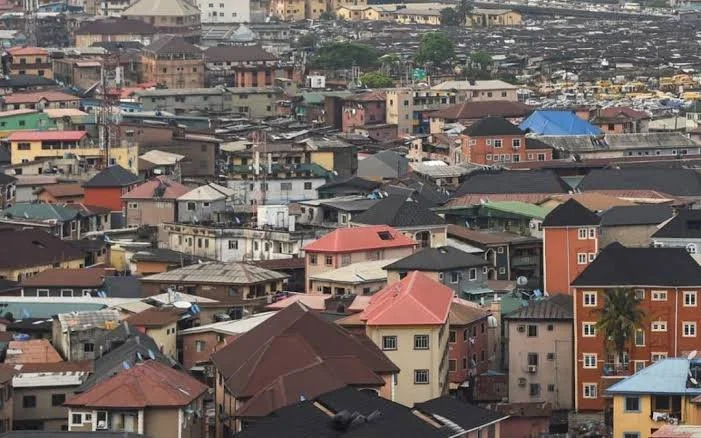
Flooding remains one of the most significant environmental threats facing many Nigerian cities and communities. Rapid urbanisation, inadequate drainage infrastructure, unregulated development and poor waste management practices have increased the vulnerability of settlements to flood events.
Urban planning experts argue that regular maintenance of drainage systems is critical to protecting housing assets, public infrastructure and economic activities from flood-related disruptions.
Protecting Housing and Community Infrastructure
For the housing sector, effective flood management plays an important role in preserving property values and reducing risks to residential developments.
Flood-prone communities often experience damage to housing structures, access roads, drainage networks and public utilities. These challenges can increase maintenance costs for homeowners and developers while discouraging investment in affected areas.
By improving drainage infrastructure and maintaining waterways, governments can strengthen urban resilience and create safer environments for residential and commercial development.
Growing Focus on Climate Adaptation
The Taraba initiative aligns with wider efforts across Nigeria to strengthen climate resilience as changing weather patterns increase the frequency and severity of flooding.
Recent projections from environmental agencies have highlighted the need for states to invest in preventive measures, including drainage maintenance, flood control infrastructure, environmental sanitation and improved urban planning.
Experts note that proactive interventions are generally more cost-effective than post-disaster response efforts, particularly in areas experiencing recurring flood events.
Outlook
Taraba State's drainage clearance campaign underscores the importance of preventive flood management in protecting communities and infrastructure from the impacts of seasonal rainfall.
As climate-related risks continue to influence urban development across Nigeria, sustained investment in drainage systems, environmental management and resilient infrastructure will remain essential to safeguarding housing assets, supporting economic activity and improving community resilience.
READ MORE