FG Convenes Stakeholders' Meeting on Lagos-Calabar Coastal Highway Over Flooding Concerns
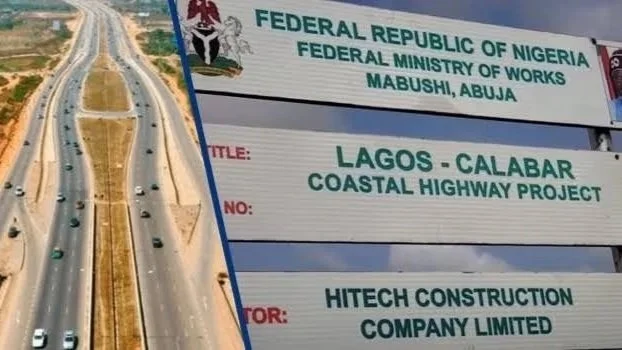
Umahi Leads Stakeholder Engagement on Coastal Highway Flooding Concerns
The Federal Government has convened a high-level stakeholders' meeting to address growing concerns over flooding along the Lagos-Calabar Coastal Highway corridor, bringing together federal and state agencies, lawmakers, environmental experts and community representatives to develop coordinated flood mitigation measures. The meeting follows recent public concerns linking the highway project to flooding in parts of Lagos, a claim the government maintains is not supported by engineering assessments.
/ You Might Also Like /




The engagement, scheduled by the Federal Ministry of Works on the directive of President Bola Tinubu, follows an inspection of completed and ongoing sections of the highway by the Minister of Works, David Umahi, alongside members of the National Assembly and officials from relevant government agencies. According to the ministry, the objective is to strengthen collaboration on environmental management, improve drainage infrastructure and develop long-term solutions to recurrent flooding in the coastal corridor.
Multi-Agency Meeting to Address Flood Risks
According to the Federal Ministry of Works, the stakeholders' meeting will include representatives from the Senate and House Committees on Works, the Federal Ministry of Environment, the Office of the Surveyor-General of the Federation, the Lagos State Government, landlords' associations and other key stakeholders. The discussions are expected to focus on flood management strategies, environmental sustainability and infrastructure resilience along the highway corridor.
The government said the collaborative approach is intended to ensure that engineering, environmental and community concerns are addressed through coordinated planning rather than isolated interventions.
FG Rejects Claims Linking Highway to Flooding
During the inspection tour, Minister of Works David Umahi dismissed claims that the Lagos-Calabar Coastal Highway caused recent flooding in Lagos, stating that the project incorporates modern drainage infrastructure designed to improve stormwater management and reduce flood risks.
According to the minister, the highway includes culverts, embankments and drainage systems intended to facilitate water flow and complement wider flood-control measures. He attributed persistent flooding in affected areas primarily to blocked drainage channels, indiscriminate refuse disposal, construction on natural waterways and other environmental violations rather than the highway itself.
Umahi added that the Federal Ministry of Works has already begun collaborating with the Lagos State Government on dredging operations and other environmental remediation initiatives to improve drainage in vulnerable communities.
Lawmakers Back Technical Assessment
Members of the National Assembly who participated in the inspection also supported the ministry's position, stating that technical presentations and on-site assessments indicated that flooding in Lagos predates the coastal highway project.
Lawmakers urged the public to rely on scientific evidence when assessing major infrastructure projects and called for stronger environmental management, including regular drainage maintenance and improved waste disposal practices, to reduce flooding across the state.
Flood Management Critical to Infrastructure Resilience
The meeting underscores the growing importance of integrating flood resilience into major infrastructure development, particularly in coastal cities vulnerable to climate-related risks.
Urban planners note that effective drainage systems, environmental compliance and coordinated land-use planning are essential for protecting housing developments, transport infrastructure and commercial investments from flooding. Strengthening collaboration between infrastructure agencies and environmental regulators can also improve the long-term sustainability of large-scale public projects.
Outlook
The Federal Government's decision to convene stakeholders reflects a broader commitment to balancing infrastructure development with environmental sustainability. As work progresses on the Lagos-Calabar Coastal Highway, continued engagement with communities, environmental experts and relevant agencies is expected to strengthen flood mitigation efforts and improve public confidence in one of Nigeria's flagship transport infrastructure projects.
READ MORE