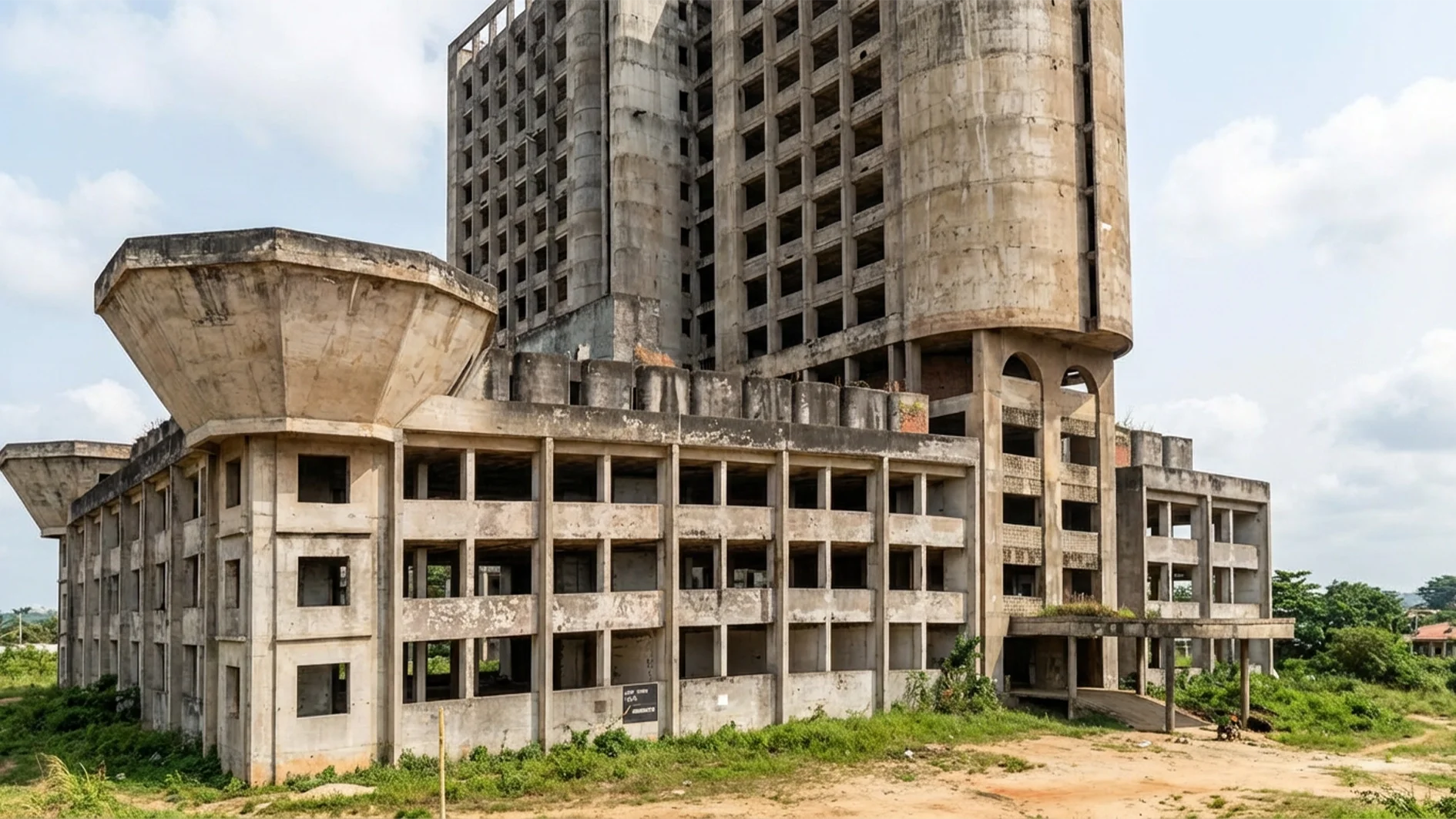
30% Interest Rates, Poor Infrastructure Crippling Nigeria's Real Estate Sector - Dr. Edward Akinlade
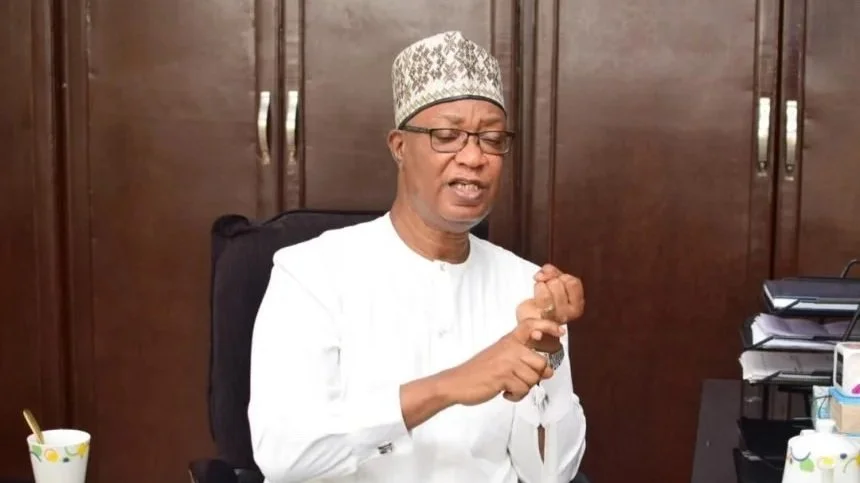
Akinlade Calls for Lower Interest Rates to Revive Nigeria's Housing Sector
Nigeria's real estate sector is facing mounting pressure from commercial lending rates exceeding 30%, inadequate infrastructure and persistent bottlenecks in land administration, according to Dr. Edward Akinlade, Group Managing Director of Haldane McCall Plc. He warned that the combination of expensive financing, poor road networks and unreliable public utilities is making it increasingly difficult for developers to deliver affordable housing despite strong market demand.
/ You Might Also Like /




Speaking during an executive industry briefing in Lagos, Akinlade said the sector's long-term growth depends on coordinated reforms that reduce development costs, improve infrastructure and expand access to affordable financing. He argued that without decisive intervention, Nigeria's housing deficit will continue to widen as private developers struggle to execute viable residential projects.
High Interest Rates Driving Up Housing Costs
Akinlade identified commercial borrowing rates of over 30% as one of the biggest constraints facing property developers.
He explained that high financing costs significantly increase project expenses, making it difficult to deliver affordable homes while maintaining commercial viability. Developers often pass these additional costs on to homebuyers, contributing to higher property prices and limiting access to homeownership for many Nigerians.
According to him, reducing financing costs is critical to stimulating private sector investment and expanding housing delivery across the country.
Infrastructure Deficit Continues to Slow Development
Beyond financing challenges, Akinlade said inadequate infrastructure remains a major obstacle to real estate development.
He noted that developers frequently bear the cost of constructing access roads, electricity networks and water infrastructure before beginning housing projects. These additional capital requirements increase development costs and prolong project timelines.
He urged federal and state governments to prioritise investment in trunk infrastructure, including durable road networks, reliable power distribution and public water systems, to create a more enabling environment for housing development.
Land Administration Reforms Needed
The real estate executive also called for reforms to Nigeria's land administration system, citing lengthy approval processes and delays in land allocation and title registration.
He argued that streamlining land administration procedures would reduce project delays, improve investment certainty and accelerate housing delivery. Faster issuance of land titles would also strengthen investor confidence and improve access to development finance.
Industry Seeks Long-Term Housing Finance
To improve affordability, Akinlade advocated for the expansion of long-term, low-cost financing for the real estate sector.
He encouraged policymakers, the Central Bank of Nigeria and mortgage institutions to develop financing mechanisms capable of lowering borrowing costs for developers and homebuyers. He also suggested exploring alternative funding sources, including pension fund investments, to provide sustainable capital for residential housing projects.
Industry stakeholders have consistently maintained that affordable mortgage finance remains essential to closing Nigeria's housing deficit and increasing homeownership.
Outlook
Akinlade's recommendations underscore the structural reforms needed to unlock Nigeria's housing market. Addressing high interest rates, strengthening infrastructure, improving land administration and expanding access to long-term finance could significantly reduce development costs and improve housing affordability.
For investors, developers and policymakers, the remarks reinforce the importance of coordinated public-private collaboration to build a more resilient and sustainable real estate sector capable of meeting Nigeria's growing housing demand.
READ MORE