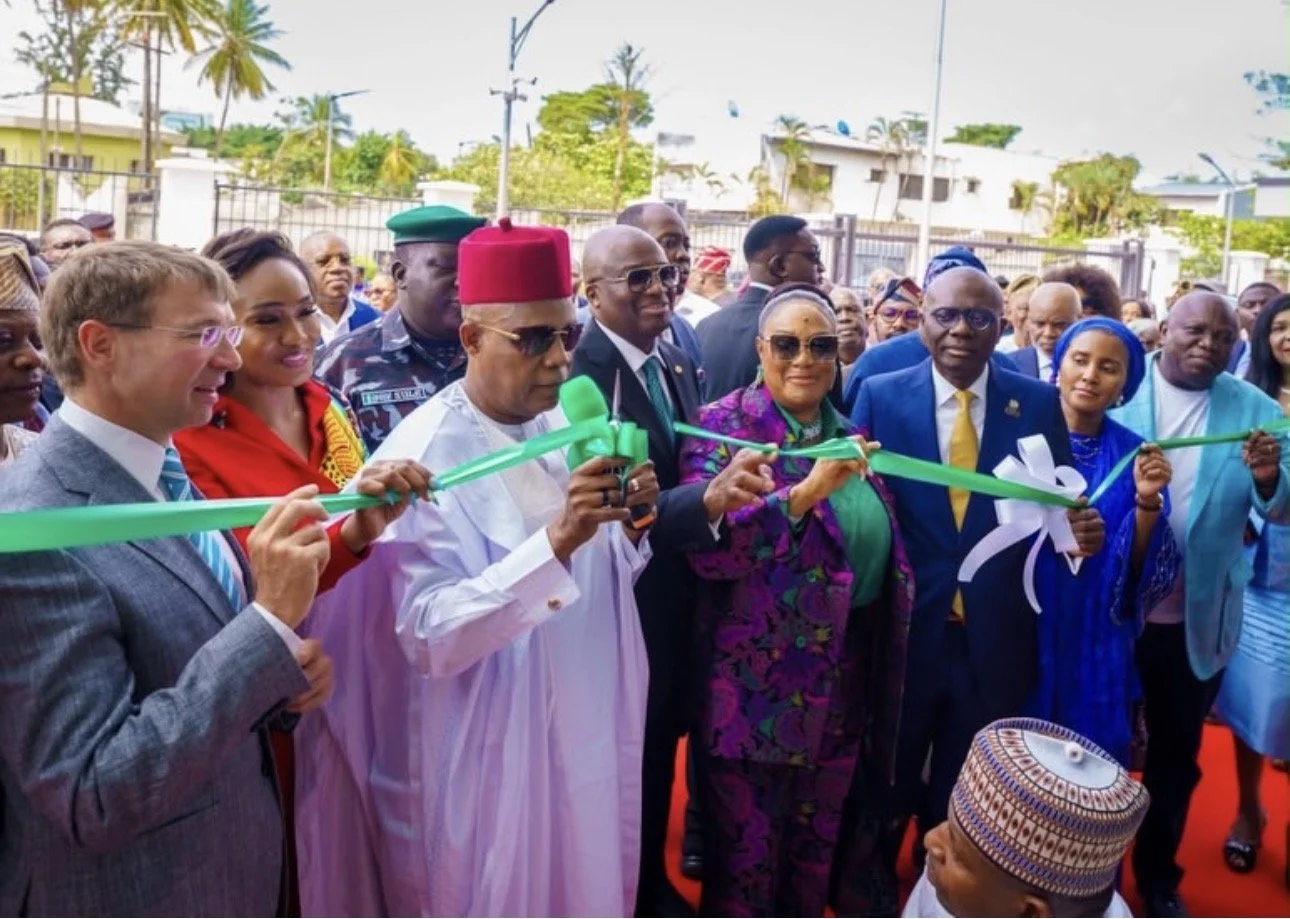
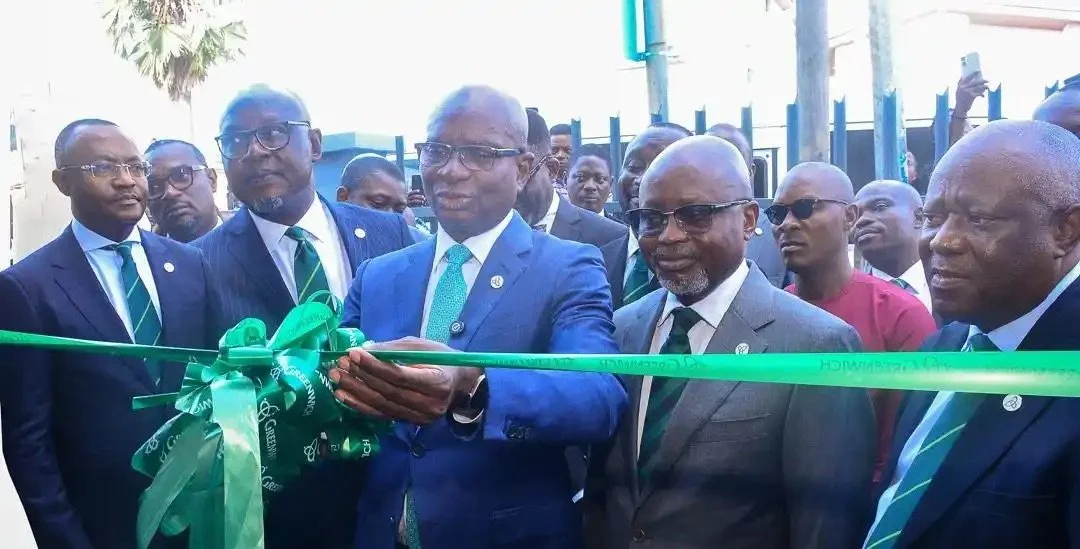
REA Launches 42 Renewable Energy Projects to Expand Electricity Access Across Nigeria
REA Strengthens Rural Power Supply with 42 Clean Energy Projects
The Rural Electrification Agency (REA) has launched 42 renewable energy projects across Nigeria as part of the Federal Government's drive to expand electricity access, accelerate clean energy adoption and improve economic opportunities in underserved communities. The projects, comprising solar mini-grids and standalone solar systems, are expected to provide reliable power to households, businesses, schools, healthcare facilities and productive enterprises with limited access to the national grid.
/ You Might Also Like /




The initiative forms part of the government's broader rural electrification strategy aimed at closing Nigeria's electricity access gap while supporting sustainable development through renewable energy. The REA said the projects will strengthen energy security, stimulate local economies and enhance the delivery of essential public services in beneficiary communities.
Solar Mini-Grids to Boost Rural Electrification
According to the REA, the programme includes the deployment of solar mini-grids and other off-grid renewable energy infrastructure designed to deliver reliable electricity to communities that remain underserved by the national power grid.
Reports indicate that the projects include 39 mini-grid developments in Adamawa State under the Distributed Access through Renewable Energy Scale-up (DARES) Programme and a 3.5-megawatt solar power project in Kebbi State, making up the 42-project portfolio.
The agency noted that expanding off-grid electricity infrastructure remains central to achieving universal energy access while reducing dependence on fossil fuels and improving energy reliability in rural areas.
Reliable Power to Support Economic Growth
REA stated that improved electricity access will extend beyond residential use by supporting small businesses, agriculture, healthcare facilities and educational institutions.
Reliable power is expected to improve productivity, lower operating costs for businesses and create new employment opportunities within beneficiary communities. Enhanced electricity access could also strengthen the delivery of public services, particularly in remote locations where unreliable power has constrained economic and social development.
Public-Private Partnerships Drive Renewable Energy Expansion
The agency emphasised the importance of collaboration between government, development partners, financial institutions and private investors in delivering sustainable energy infrastructure nationwide.
REA said innovative financing models and strategic partnerships remain essential to scaling renewable energy deployment, attracting investment and accelerating rural electrification across Nigeria. The projects align with the Federal Government's broader objective of increasing private sector participation in the country's power sector.
Renewable Energy Supports Sustainable Development
Industry stakeholders believe expanding renewable energy infrastructure will contribute to Nigeria's long-term climate and development goals by reducing carbon emissions and improving access to affordable, environmentally friendly electricity.
The wider adoption of solar mini-grids and other decentralised energy systems is also expected to improve resilience in communities that have historically relied on expensive and unreliable diesel-powered generation.
Outlook
The launch of the 42 renewable energy projects reinforces the Federal Government's commitment to expanding electricity access through clean energy solutions. As implementation progresses, the projects are expected to improve livelihoods, stimulate economic activity and strengthen energy access for thousands of households and businesses across underserved communities.
For Nigeria's housing and infrastructure sectors, wider access to reliable electricity could also support residential development, improve community services and enhance the viability of new housing projects in off-grid and rural locations.
READ MORE