Lekki Phase 1 Average Annual Rent Hits ₦10 Million, Highest Level in Five Years
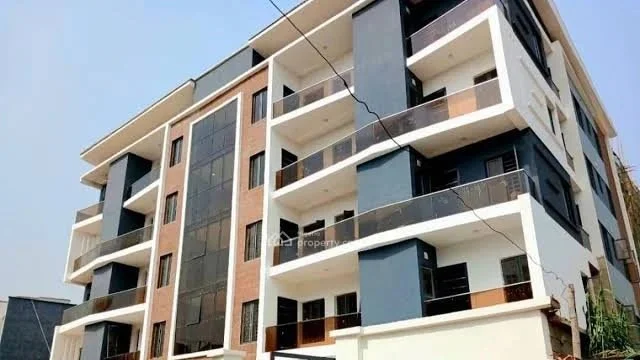
Lekki Phase 1 Records Highest Rental Growth in Five Years
Average annual rent for a two-bedroom apartment in Lekki Phase 1 has climbed to ₦10 million, marking the highest level recorded in the last five years and reinforcing the area's position as one of Lagos' fastest-growing residential rental markets. According to the latest market analysis, the upscale neighbourhood has posted the strongest rental growth among Lagos Island's major prime residential locations, driven by sustained demand, limited supply and rising development costs.
/ You Might Also Like /




The report highlights that Lekki Phase 1 recorded a five-year compound annual growth rate (CAGR) of 35.9% in rental prices, outperforming other premium residential districts tracked in the study. The sharp increase reflects broader trends across Lagos' housing market, where inflation, infrastructure improvements and strong demand for quality accommodation continue to push rental values upward.
Lekki Phase 1 Leads Lagos' Premium Rental Market
The latest findings identify Lekki Phase 1 as the fastest-growing rental market among Lagos Island's key residential locations.
Market analysts attribute the area's strong performance to its strategic location, established infrastructure, proximity to major business districts and continued demand from corporate executives, expatriates and high-income professionals. These factors have sustained rental growth despite challenging macroeconomic conditions.
The report notes that demand has remained resilient even as rental costs have risen significantly over the past five years, reflecting the area's status as one of Lagos' most desirable residential addresses.
Rising Costs Continue to Shape Rental Prices
Property professionals say several factors have contributed to the upward trajectory of rental values.
High construction costs, inflation, exchange rate volatility and increased financing costs have significantly raised the cost of residential development. Developers and landlords have consequently adjusted rental prices to reflect higher operating and investment costs.
The continued rise in service charges, maintenance expenses and utility costs has also contributed to higher occupancy costs across premium residential estates.
Supply Constraints Support Market Growth
Limited availability of quality residential properties has further strengthened rental values in Lekki Phase 1.
Although new developments continue to emerge across the Lekki corridor, demand for well-located, serviced apartments has consistently outpaced supply. This imbalance has enabled landlords to maintain premium rental rates while encouraging developers to expand investment in high-end residential projects.
Industry analysts note that constrained housing supply remains one of the principal drivers of rental inflation across Lagos' prime property market.
Implications for Investors and Home Seekers
The sustained appreciation in rental values reinforces Lekki Phase 1's attractiveness for residential property investors seeking stable rental income and long-term capital appreciation.
However, the continued rise in rents also underscores Nigeria's broader housing affordability challenge, as more middle-income households find premium residential markets increasingly inaccessible. Rising rental costs may encourage greater demand for emerging residential locations offering comparatively affordable accommodation while prompting developers to explore mid-market housing opportunities.
Outlook
The latest rental figures underscore the resilience of Lagos' premium residential market despite broader economic pressures. As infrastructure development, population growth and demand for quality housing continue to shape the city's real estate landscape, rental values in prime neighbourhoods such as Lekki Phase 1 are expected to remain supported by strong market fundamentals. At the same time, industry stakeholders say expanding housing supply and improving affordability will be critical to achieving a more balanced residential property market.
READ MORE